
ERBIL, Kurdistan Region - Iran’s parliament has approved the general principles of a sweeping bill that would criminalize contact with US and Israeli media, foreign-funded organizations and a wide range of overseas institutions.
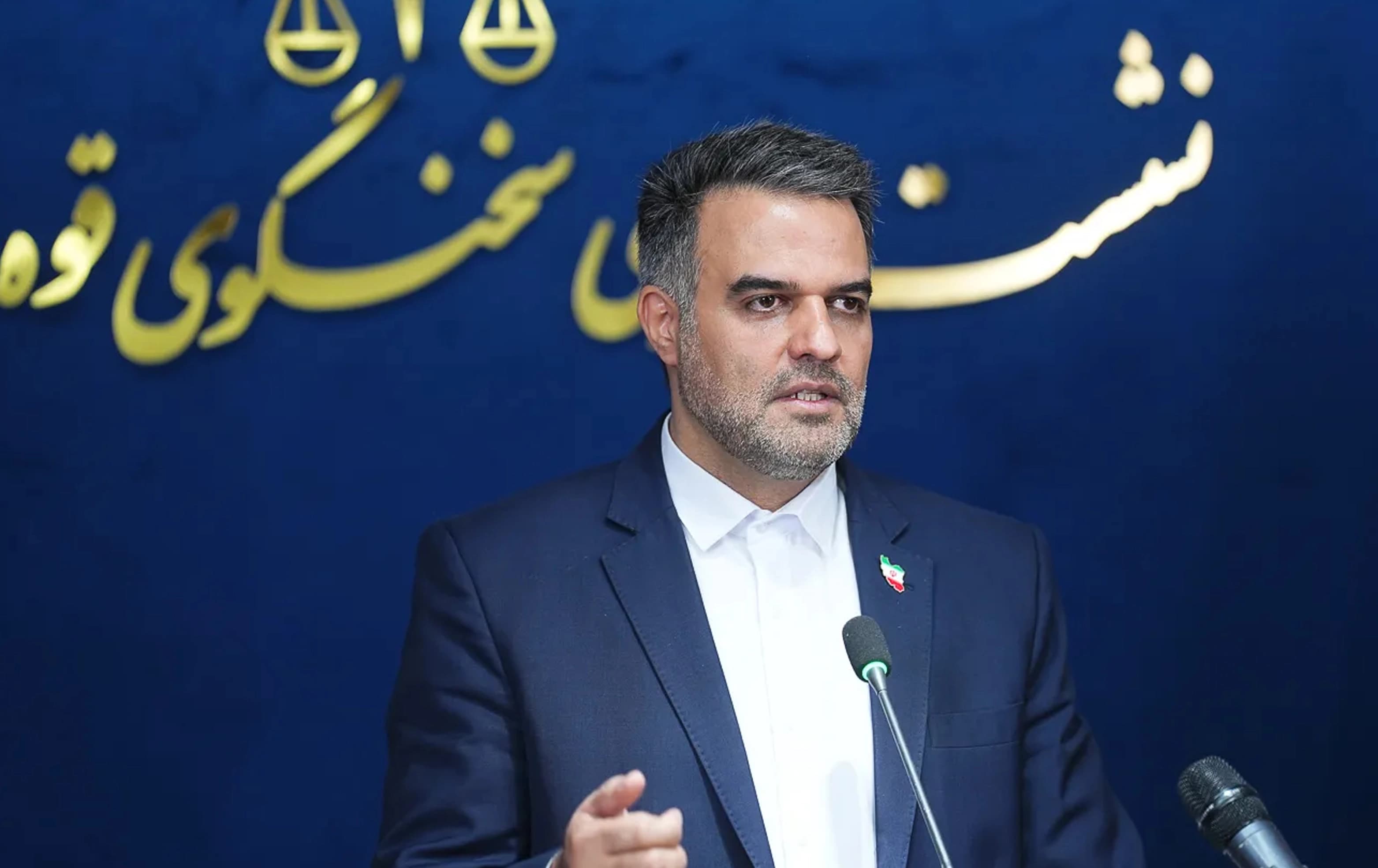
Abbas Goudarzi, spokesperson for the presiding board of Iran’s parliament said that the intended aim of the bill was to “safeguard Iran’s independence, sovereignty, national security and Iranian-Islamic cultural identity.”
The measure, titled the “Bill to Counter the Infiltration of Foreign Intelligence Services, Governments and Institutions,” was approved in principle with 183 votes in favor on Sunday. The parliament has not yet approved the individual articles, meaning the proposed penalties remain subject to debate and amendment before the bill can become law.
A draft published by Iranian outlet Entekhab would ban interviews, discussions or other contact with what authorities call “hostile media,” explicitly including American and Israeli outlets and media funded by the US or Israel. Contact with other foreign media would have to be reported through a system operated by Iran’s Intelligence Ministry as well as the Islamic Revolutionary Guard Corps (IRGC) intelligence. Anyone caught violating the provisions of the new bill would receive prison terms.
The proposal goes much further than media contacts; it restricts the receipt of money, training or other benefits from foreign institutions, bar certain forms of academic cooperation without approval, and criminalize sending information, statistics, photographs, video or audio to foreign organizations or media.
Hundreds of people have been detained since the nationwide anti-government protest in January as well as during the six week war for sending photos and videos to opposition media outlets in the West, which authorities maintain are funded by Israel or the US. Some protesters were even executed on charges of cooperating with Israel by sending photos and videos of the aftermath of the US and Israeli airstrikes during the six week war.
Non-governmental organizations, associations and political groups would also be prohibited from receiving funding from foreign embassies, governments or non-Iranian institutions unless authorized by a committee including representatives from the foreign, intelligence and interior ministries as well as the IRGC Intelligence Organisation.
Crucially, the draft gives both the Ministry of Intelligence and the IRGC Intelligence Organisation a direct enforcement role. Article One designates them as the security bodies responsible for investigating offenses under the legislation and providing the judiciary with evidence of alleged foreign direction or links.
The Intelligence Ministry would also oversee the reporting system for contacts with foreign media, approve the transfer of information abroad and publish lists of foreign universities and institutions with which cooperation would be permitted.
Goudarzi added that, once the details are approved and the Guardian Council gives its endorsement, all activities and contacts by individuals and legal entities with foreign persons or representatives will have to comply with the framework set out in the legislation.