
ERBIL, Kurdistan Region - Iran executed at least 89 prisoners and arrested 117 people in August 2026, a rights group reported late Thursday, with Kurds comprising 14 and 64 percent, respectively, highlighting Tehran’s uptick in crackdowns against protestors and dissidents since July.
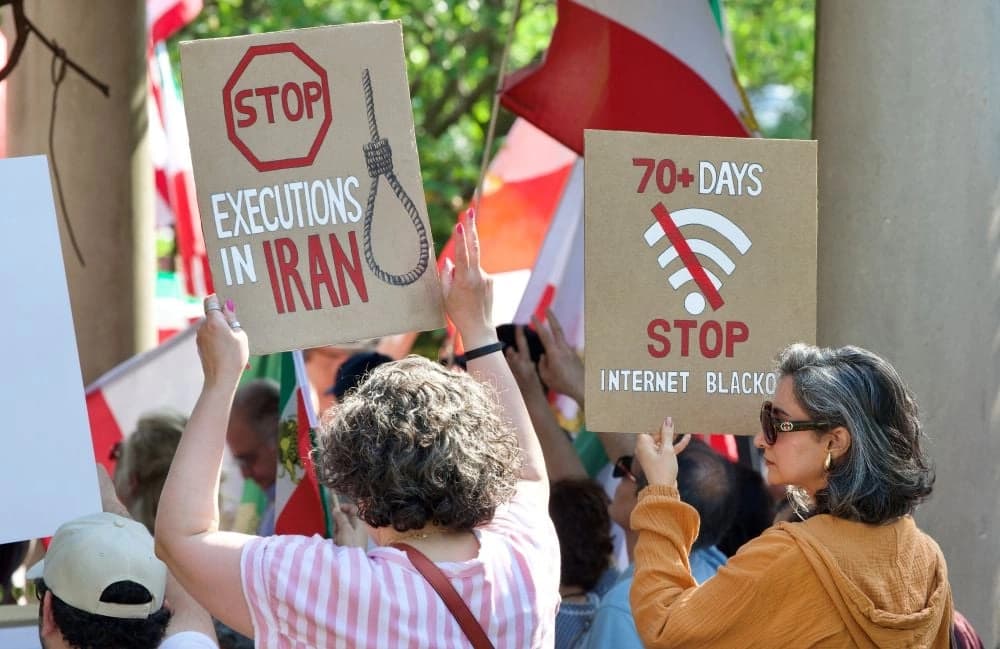
“At least 89 prisoners, including six political prisoners and prisoners of conscience, were executed in prisons across Iran during August 2026,” according to data collected by the Statistics and Documentation Center of the Oslo-based rights group, Hengaw Organization for Human Rights.
“The figure represents an increase of at least 33%, equivalent to 22 more executions, compared with July, when 67 prisoners were executed,” the watchdog said, adding that it has verified the full identities of 88 of those executed, of whom 13 were Kurds.
Hengaw recorded the executions of at least 1,858 prisoners in 2025 for various 'offenses' including political infractions such as armed rebellion against the state, ‘spreading corruption on earth,’ and anti-state protests.
Iranian authorities have used executions since the 1979 Islamic Revolution as a tactic to intimidate and spread fear among the public, quell protests and suppress dissent.
In the first eight months of 2026 alone, Hengaw recorded 531 verifiable executions. Variations among rights groups regarding the number of executions each is able to verify is largely attributed to Iran carrying out extrajudicial killings without prior public notice or updates to the prisoners’ families.
During August, at least six political prisoners and prisoners of conscience, including individuals detained during the January protests and ensuing six-week hostilities, were executed on charges including “waging war against God,” espionage, and other offenses, Hengaw said.
Rights groups have recorded an uptick in death sentences following the US-Iran war which began in late February after a joint US-Israeli aerial campaign targeted and killed senior military figures in Iran.
United Nations bodies and other rights groups, such as Amnesty International, have deplored Iran’s “staggering” use of the death penalty as well as Tehran’s intensifying repression of dissent “under the cover of ‘wartime conditions’” marked by sweeping arrests, arbitrary detentions, accelerated judicial proceedings, and lengthy prison sentences, long used as tools by Iranian authorities to quell public protests and suppress dissent, under the guise of counterterrorism.
In a separate report, Hengaw documented that at least 117 people were arrested by security forces in August, of whom 75 were Kurds.
Detainees often include civil and environmental activists, former political prisoners, women, minors, artists, and family members of political activists, who are subjected to arbitrary arrests without trials and various methods, including torture, to extract forced confessions.
Hengaw recorded at least one writer and two artists arrested in August, as well as 20 women activists and two minors.
The rights group records 45 cases from individuals from Urmia (West Azerbaijan) province, 20 cases from the Kurdish-majority city of Sanandaj, and eight cases from Ilam province, all of whom were Kurds.
In late August, Iranian authorities administered the floggings of two female activists from the Kurdish region of Iran (Rojhelat) before transferring them to the central prison, in connection to their participation in the January anti-government protests.
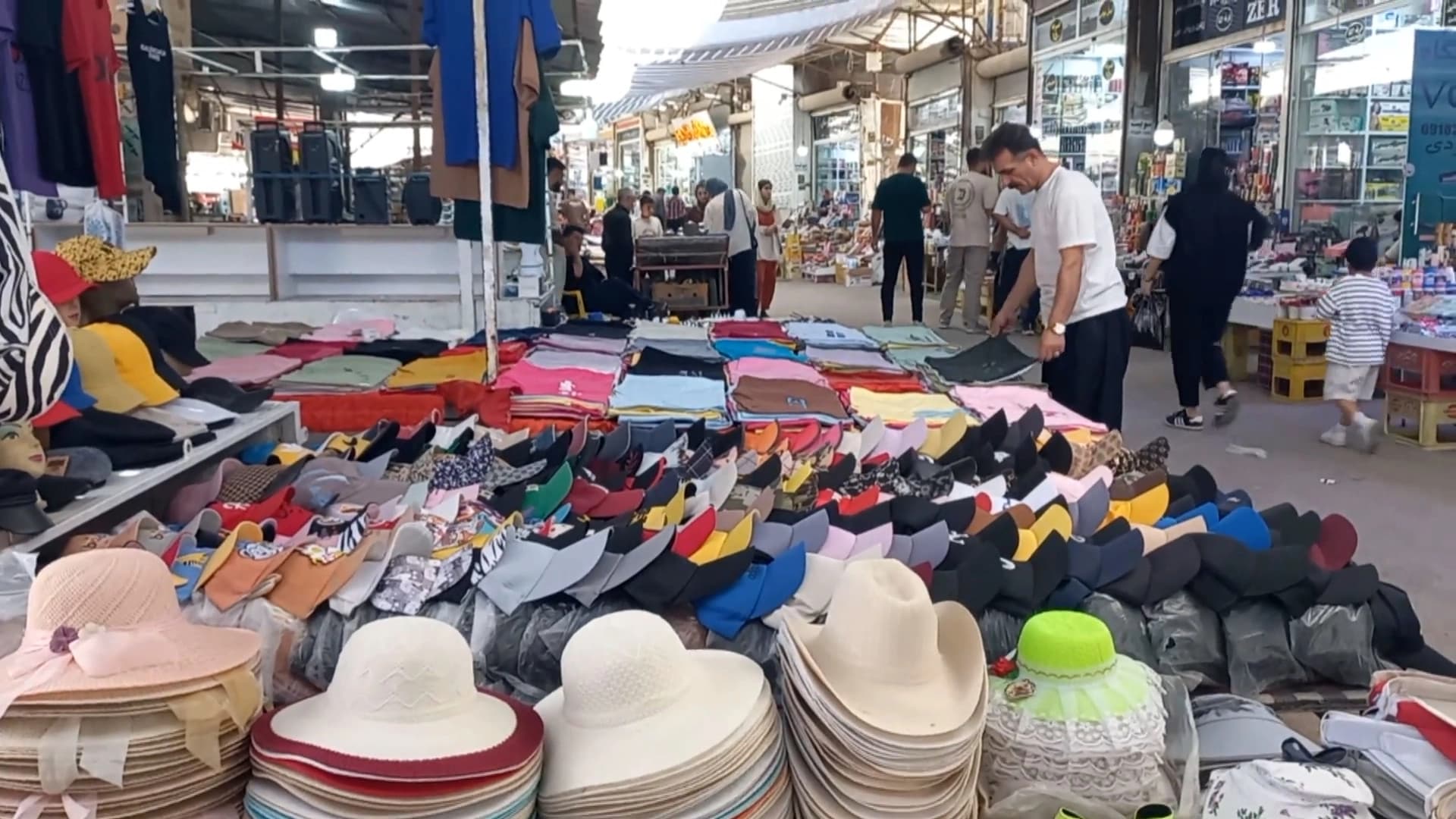
Protests ensued in late December first instigated by shopkeepers and bazaar merchants in Tehran and swiftly spread beyond markets and commercial centers to encompass students, the general public, activists, and social groups, becoming one of the largest protest movements of recent years.
Iranian authorities claimed that over 100 members of the security forces were also killed during the demonstrations in which the Iranian Revolutionary Guard Corps (IRGC) and security forces responded with deadly crackdowns and gunned down tens of thousands of protesters, while thousands more were arrested or summoned by security agencies.
In August, Iran saw a price surge in gas prices as the country grappled with a new round of sanctions in the form of a US Treasury campaign termed Operation Economic Outcast, aimed at curtailing Tehran’s military capabilities and primary revenue streams.
Iran in August also saw a sweeping reshuffle of its leadership including the appointments of Mohsen Rezaei and other senior military figures notorious for their hardline stances against “dissidents” to leadership positions, as judiciary figure Mohseni Ejei in late August made explicit threats, warning of a “firm response” and saying that the judiciary would act “more decisively than ever” in prosecuting anyone undermining the “security of the people and the country,” citing “enemy” efforts to “create unrest.”
US President Donald Trump on Tuesday told reporters at the oval office that the “only answer” as to why Iranians weren’t taking to the streets was because “they’re being shot.”
“When they get out to protect, they [the regime] kill them,” Trump said, noting that “As of three months ago they had 52,000 protestors were killed,” estimating that “The number is probably 20,000-25,000 more.”
“The regime is getting weaker and weaker by the day and at some point they’re not going to be able to shoot so easily,” he predicted, because “the people aren’t going to take it.”