
ERBIL, Kurdistan Region - Iran on Monday accused the United States and three European countries of creating political pressure to secure a new resolution against Iran's nuclear program, as the International Atomic Energy Agency (IAEA) said it remains unable to verify the status of Iran’s nuclear sites and called for access.
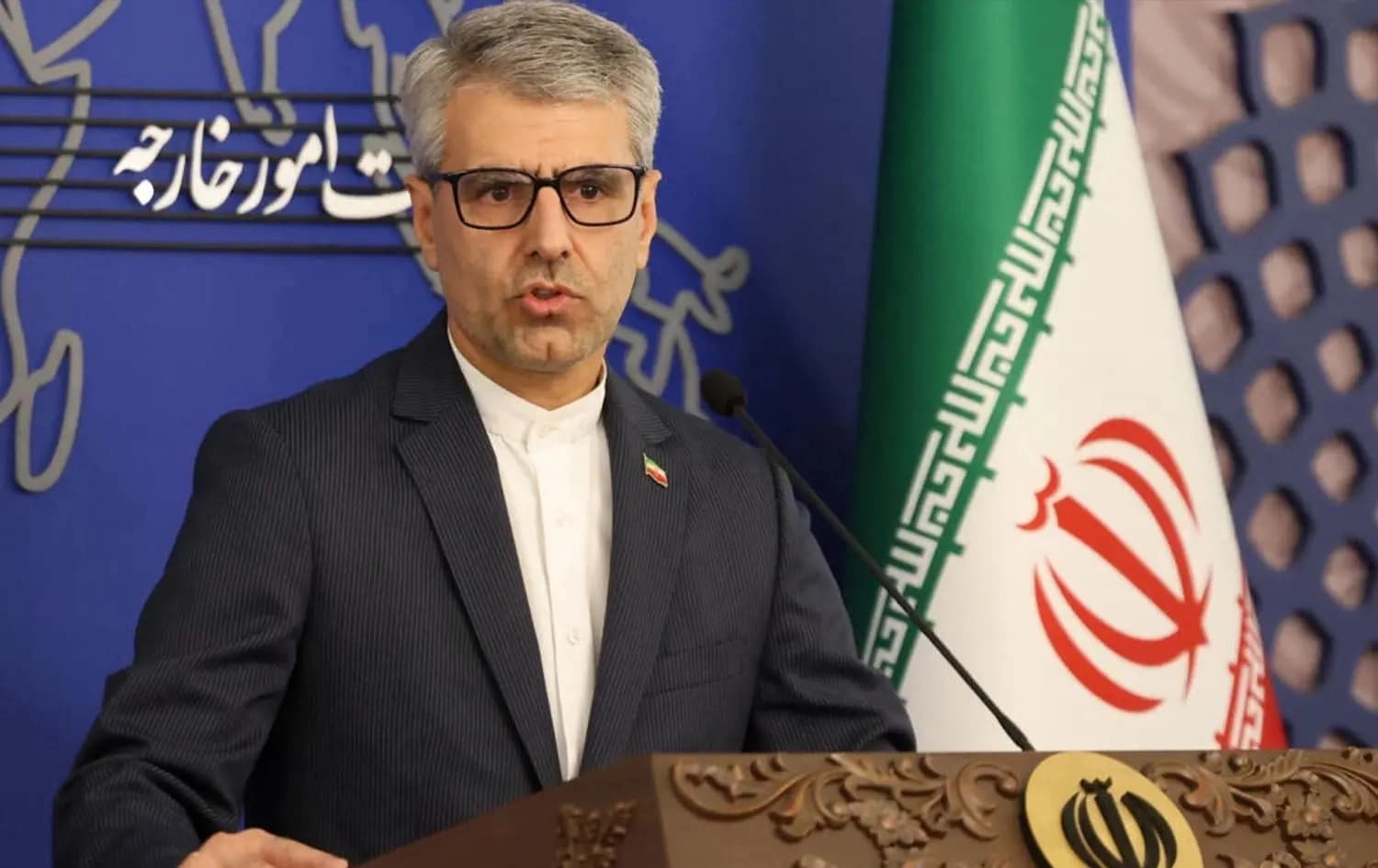
Iranian foreign ministry Spokesperson Esmaeil Baghaei accused IAEA Director General Rafael Grossi of yielding to European entities and the US to exert political pressure, namely in securing additional UN Security Council resolutions against Iran, according to the Islamic Republic News Agency (IRNA).
“The reason the agency cannot access Iran’s nuclear facilities is the crime committed by the United States and the Israeli regime in attacking those facilities,” Baghaei said, warning that further resolutions pose a “desire to escalate the situation.”
In August 2020, the US invoked the "snapback" mechanism of a UN Security Council resolution established in 2015 to reimpose a number of restrictive measures and sanctions that had previously been lifted in relation to Iran's nuclear proliferation activities, as did France, Germany, and the United Kingdom (UK), collectively known as the E3, in August 2025.
Baghaei accused the US and Israel of creating conditions that prevent IAEA access to the sites, calling their demand for raising Iran’s nuclear issue at the Security Council again “unreasonable” and that the snapback process was “unlawful and inapplicable.”
The remarks come after Grossi on Monday called on Iran to resume cooperation with the agency and provide the information and access needed for it to verify the status of Tehran’s declared nuclear material and facilities. He framed the agency’s lack of information as a “matter of serious proliferation concern” that required “the utmost urgency.”
The dispute over access to Iran’s nuclear facilities follows the 12-day war between Israel and Iran in June 2025, during which Israel attacked several Iranian nuclear facilities and the US later struck the Natanz, Isfahan and Fordow sites.
Following the attacks, the IAEA halted its verification activities in Iran and withdrew its inspectors for safety reasons, after which Iran then enacted a law in July 2025, suspending cooperation with the agency.
The IAEA has since said it has not received required nuclear-material accountancy reports or had access to Iran’s safeguarded nuclear facilities, except for the Bushehr Nuclear Power Plant, according to the latest available verification and monitoring report published in September 2025.
In late February, the US and Israel launched a joint aerial campaign targeting Iran’s military sites and senior leadership, leading to six weeks of ensuing hostilities, a ceasefire reached in April, and a memorandum of understanding established in mid-June in which issues over Iran’s nuclear enrichment program have been one of the 14 points to ending the war.
In late August, the US Treasury enacted a sweeping sanctions package dubbed Operation Economic Outcast, which the EU joined on Friday, designed to aggressively curtail Iran's military capabilities and primary revenue streams.
"The European Union has officially joined Operation Economic Outcast and we appreciate their strong and early stance," Treasury Secretary Scott Bessent said in a statement on X on Friday, adding that Washington "stands firm with our allies in ensuring the murderous Iranian regime cannot exploit the global financial system to fund its nuclear ambitions, weapons programs, and terror proxies."
US President Donald Trump reiterated in early September to reporters at the Oval office that “Iran cannot have a nuclear weapon.”