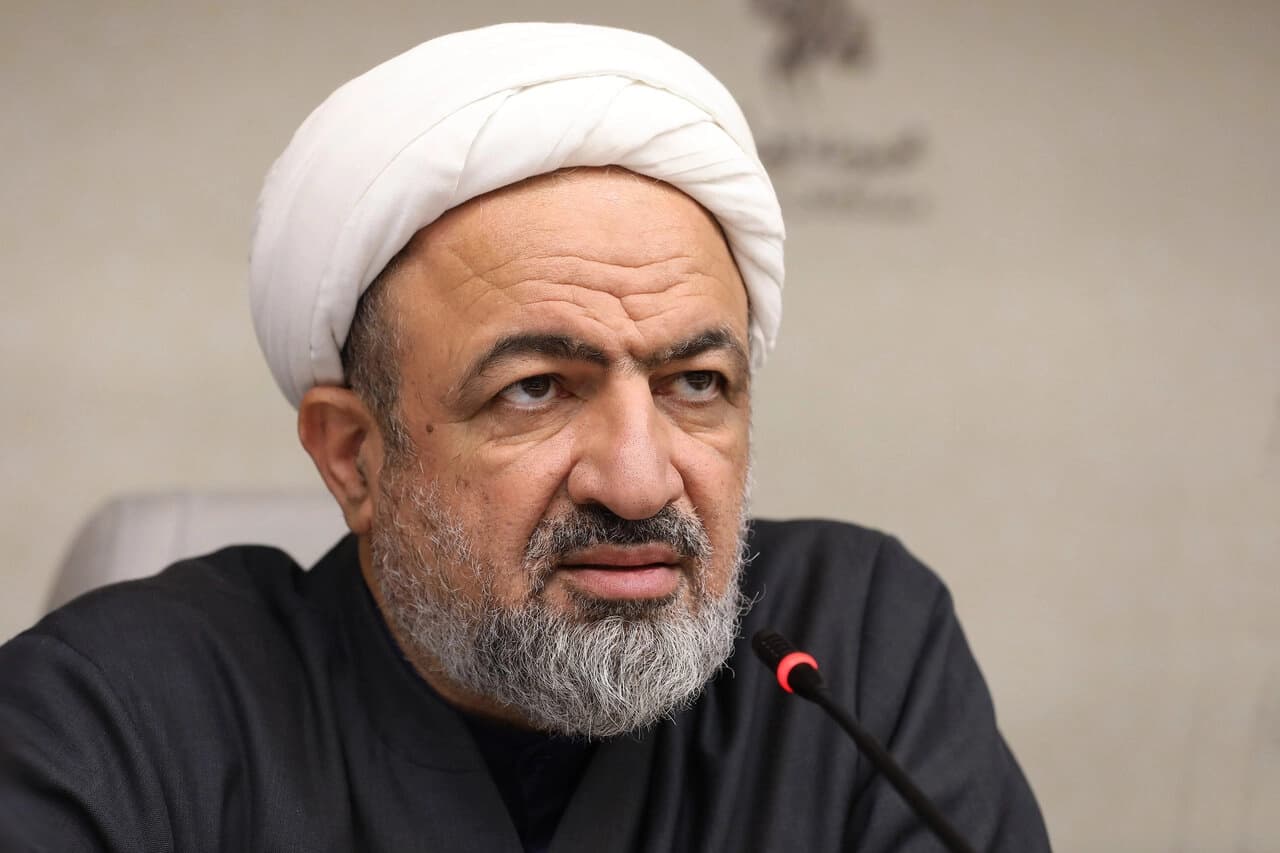

ERBIL, Kurdistan Region - Iranian lawmaker Hamid Rasaei, one of the most vocal opponents of negotiations with the US and the country’s top negotiator Mohamamd Bagher Ghalibaf, will begin serving ten months prison term on Sunday for publishing “lies” when he was the editor of a weekly publication.
Rasaei, a parliamentarian representing Tehran and closely aligned with the hardline Paydari current, said during a parliamentary session that the case stemmed from complaints filed by former president Hassan Rouhani, President Masoud Pezeshkian, parliament speaker Ghalibaf and the former secretariat of the Supreme National Security Council.
He said his own conviction related to a complaint by Ghalibaf over material published in the 9 Dey weekly, which Rasaei previously managed.
“I have received a sentence of 10 months in prison,” Rasaei said, adding that the ruling had been formally communicated to him and that he would present himself to the authorities. Rasaei described the verdict as political and disproportionate, but said he would comply with it.
The sentence comes as Rasaei and other lawmakers close to the Paydari Front have emerged as some of the most vocal critics of renewed diplomacy with the US as the country suffers under enormous economic pain due to the endemic corruption, war and sanctions.
Rasaei has repeatedly attacked negotiations with Washington, while MPs from the same hardline camp have accused the government of sidelining parliament in pursuit of talks.
“Mr Ghalibaf, leaving your mark on the wall of negotiations with America is a mistake,” Rasaei wrote in June. “Even Zarif and Rouhani, who were masters of making concessions and giving in during negotiations, did not gain so much as a straw through talks. Do not repeat the mistake.”
The hardliners have also sharply criticised Pezeshkian, Foreign Minister Abbas Araghchi and Ghalibaf, who served as Iran’s chief negotiator during earlier contacts with Washington. Their criticism has intensified as Tehran promotes a new proposal that could reopen the Strait of Hormuz and restart talks if Washington lifts its naval blockade, eases sanctions and takes other steps first.
Some within the hardline camp have argued instead that Iran should exploit the closure of the Strait and resulting pressure on global energy markets to extract greater concessions from the Trump administration, rather than move quickly towards negotiations. Recent reporting has described an internal faction advocating continued escalation on the calculation that high fuel prices and political pressure inside the United States could strengthen Tehran’s leverage.
Rasaei used his speech on Sunday to renew his attacks on Pezeshkian, accusing the president of sending conciliatory signals to US President Donald Trump and criticising remarks suggesting Iran was not seeking revenge.
He said that the sentence was unfair because there have been several others who had been accused of spreading falsehood but instead of jail terms they have been fined.
“I believe the judiciary only truly becomes a judiciary when it takes action against political heavyweights, economic powerbrokers, corrupt banks, shameless people who steal the public’s money, traitors to the nation, and those who target society’s morality and decency.”
The dispute over Rasaei’s sentence, therefore, lands amid a wider struggle inside Tehran over the direction of Iran’s US policy: between officials pursuing a negotiated reopening of the Strait and hardliners who argue that pressure on Washington should be sustained rather than traded away.
Separately, Iranian authorities have also announced judicial rulings against several prominent political commentators. Media commentator Abbas Abdi was sentenced to one year in prison over an article published in Etemad newspaper, while the paper was ordered to suspend publication for two months. The case has been sent to the Supreme Court following an appeal, and no final ruling has yet been issued. Sadeq Zibakalam, a professor at Tehran University, was also sentenced to one year in prison and banned from all domestic and foreign media activity for two years over an interview with ANA news agency. His prison sentence was suspended for three years, but his appeal was rejected and the original ruling upheld.
Former lawmaker Heshmatollah Falahatpisheh was prosecuted over material published on social media. He was initially acquitted, but an appeals court later sentenced him to one year in prison, suspended for five years, after prosecutors challenged the verdict. In a separate case brought following a complaint by an institution, Falahatpisheh was also fined, with the ruling upheld on appeal.