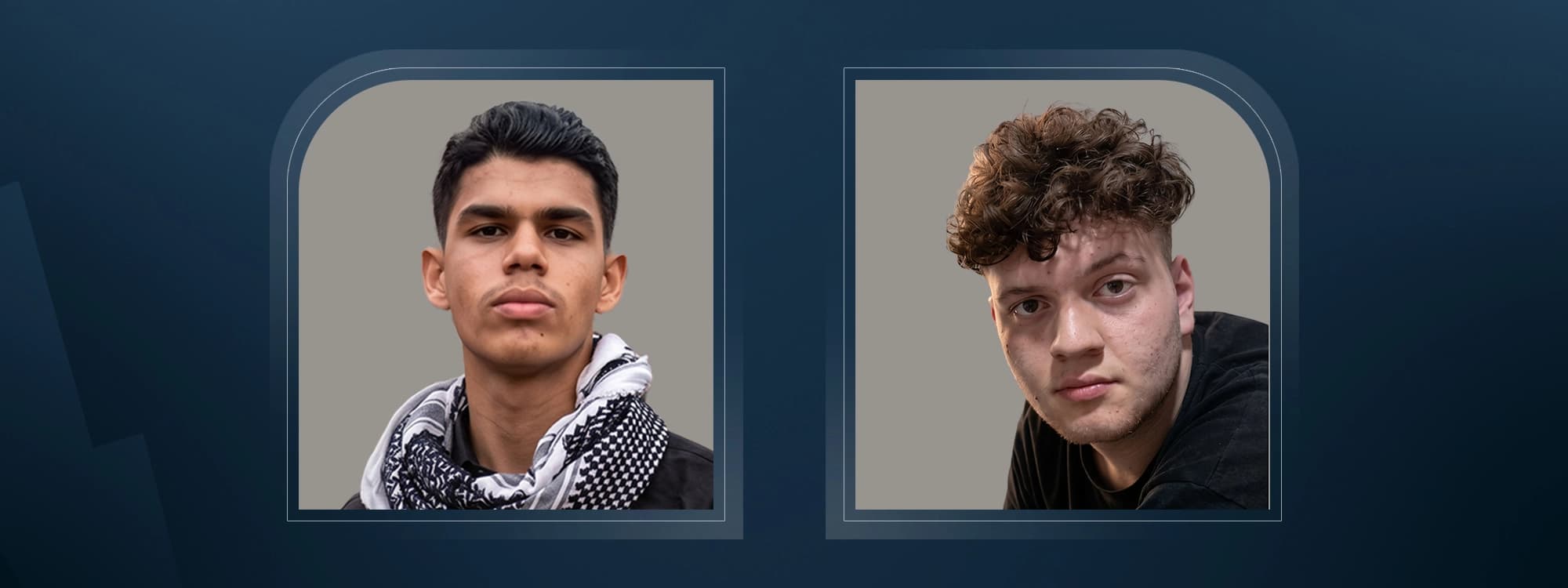

ERBIL, Kurdistan Region - Iranian security forces have arrested two 17-year-old Kurdish minors in Sanandaj and Baneh in Kurdistan province without presenting judicial orders, and their whereabouts remain unknown, a human rights watchdog has reported.
Diyari Abdi, a 17-year-old student from Sanandaj, was arrested near Mardokh Bridge in the city on Monday, the Oslo-based Hengaw Organization for Human Rights said late Thursday, adding that he was detained by the Islamic Revolutionary Guard Corps (IRGC) Intelligence forces “without the presentation of any judicial warrant.”
The report also said that Mohammad Lotfi, a 17-year-old from Saqqez who lives in Baneh, was arrested on Tuesday. According to the report, Lotfi, who had been forced to leave school due to financial hardship and worked in a shop, was detained by Iranian intelligence forces during a raid on his workplace “without presenting a judicial order” and transferred to an undisclosed location.
“As of the time of writing this report, no information is available regarding the reasons for their arrest, the charges brought against them, or the whereabouts of these two minors,” read the report.
The arrests come amid a broader crackdown as Iran faces persistent armed violence in its western Kurdish regions and southeastern Sistan and Baluchestan province, where clashes between security forces and armed groups have intensified in recent weeks.
The arrests followed the detention of two other Kurdish men from Badra district in Ilam province, Reza Tej, 23, and Ali Moradian, Hengaw Organization said in a separate report.
Tej, a resident of Pakal Grab village in Badra district, had previously been arrested on January 24 during the nationwide protests and later released on bail, according to the report. He was subsequently detained again and transferred to an undisclosed location.
Moradian, from Banalan village in the same district, was arrested by IRGC intelligence forces. The forces transferred him to an unknown location.
Additionally, Iran’s Intelligence Ministry announced on Monday the arrest of 39 people accused of orchestrating or participating in attacks on public and private property in its northern Qazvin province.
Iran’s state run Islamic Republic News Agency (IRNA) reported that the suspects had been organized into eight separate groups and were identified through public tip-offs and intelligence surveillance. The ministry accused them of acting on behalf of the United States and Israel, allegations that were not independently verified.
The General Directorate of Intelligence of Qazvin province said in a statement carried by IRNA that the detainees had participated in what it described as the “coup" during the January protests, in which tens of thousands took to the streets as security forces responded with a lethal crackdown on anti-government demonstrations in what has been denounced by human rights organizations for the “unlawful use of force and firearms on an unprecedented scale” and “repression of dissent.”
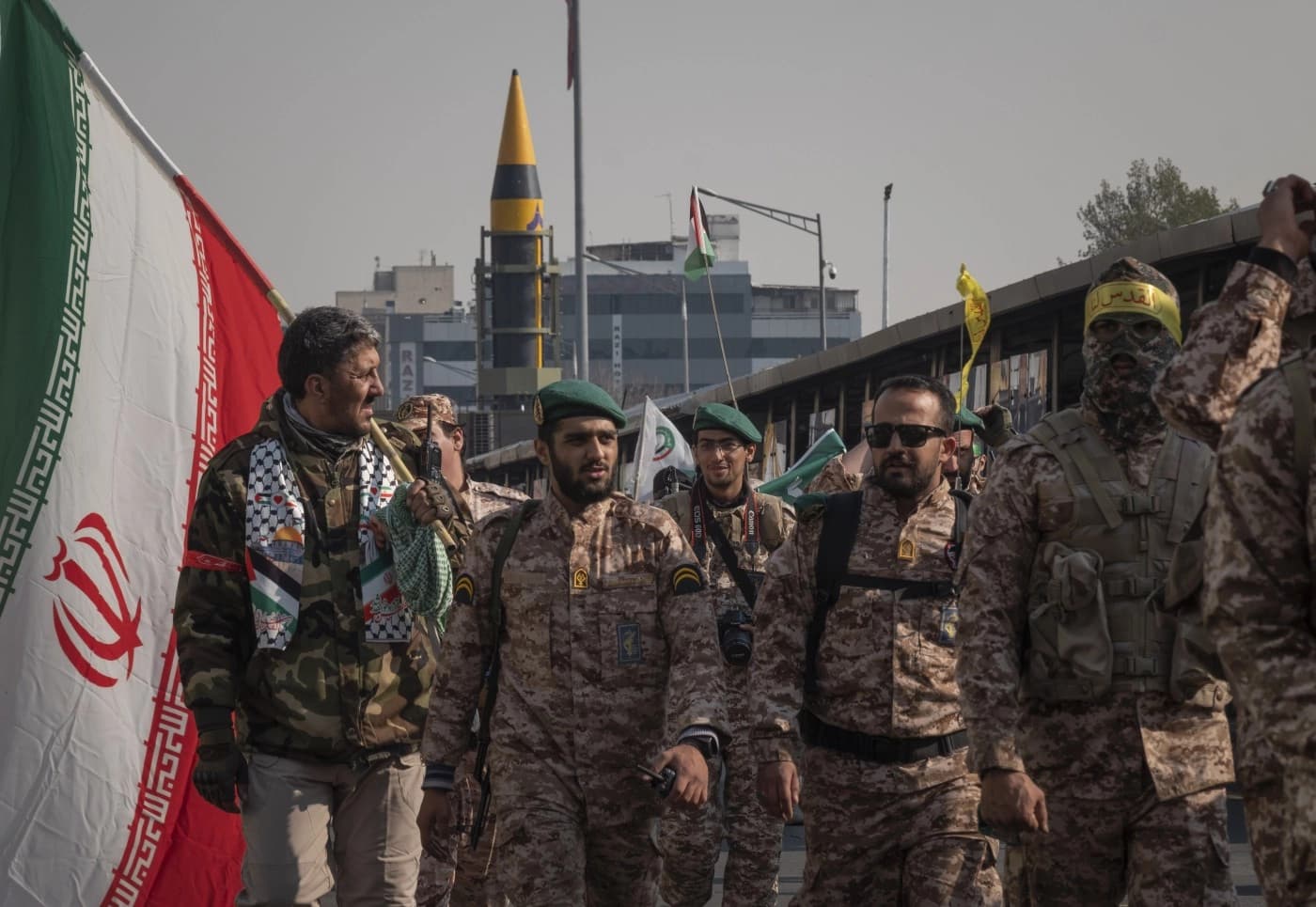
In western Iran, the IRGC has recently carried out drone strikes and artillery shelling in mountainous areas of Kurdistan province amid clashes with Kurdish opposition fighters.
The Kurdistan Human Rights Network (KHRN), a Paris-based watchdog, reported Sunday that IRGC forces deployed a military convoy equipped with artillery and drones around Gavileh village, northeast of Marivan, on Sunday. Citing a local resident, the group said the forces targeted the nearby Dashti Mil area with suicide drones before launching heavy artillery attacks.
The strikes followed a warning from the Kurdistan Free Life Party (PJAK), an Iranian Kurdish opposition group, whose armed wing, the Eastern Kurdistan Units (YRK), said it would respond to continued attacks on its positions.
“We will exercise our legitimate right to self-defense and deliver the necessary response,” YRK said.
On Saturday, a captain in Iran's IRGC was killed in the Qandil mountain range along the Iran-Iraq border, a local news outlet affiliated with the Guards reported.
Captain Sina Ahmadi was killed, Fateh Urmia reported, without providing details about the circumstances of his death. However, the IRGC has not publicly disclosed how he was killed, but the outlet referred to him only as a "martyr."
Meanwhile, Sistan and Baluchestan, which borders Pakistan and Afghanistan, has witnessed a series of deadly confrontations between Iranian security forces and Baloch armed groups.
The People’s Fighters Front, a Baloch militant group, claimed responsibility for a series of clashes, ambushes and explosions in Taftan, Kourin, Zahedan and Chabahar, according to a rights monitor. The group claimed that more than 20 personnel, mostly members of the Fatemiyoun Afghan Shiite militia, and their field commander, IRGC officer Yaser Bagheri, were killed. These casualty claims have not been independently verified.
The province has long faced deep-rooted security and socioeconomic challenges, with longstanding grievances over poverty, discrimination and the treatment of its predominantly Sunni Baloch population fueling tensions with Tehran.
Sistan and Baluchestan was also the site of the deadly crackdown known as Bloody Friday in September 2022, when Iranian security forces opened fire on protesters and worshippers in Zahedan. Amnesty International documented at least 66 deaths that day.
The latest violence underscores the breadth of Iran’s internal security challenges, as Tehran continues operations against armed groups in both the Kurdish west and the Baloch southeast while the country remains embroiled in its wider conflict with the United States and Israel.