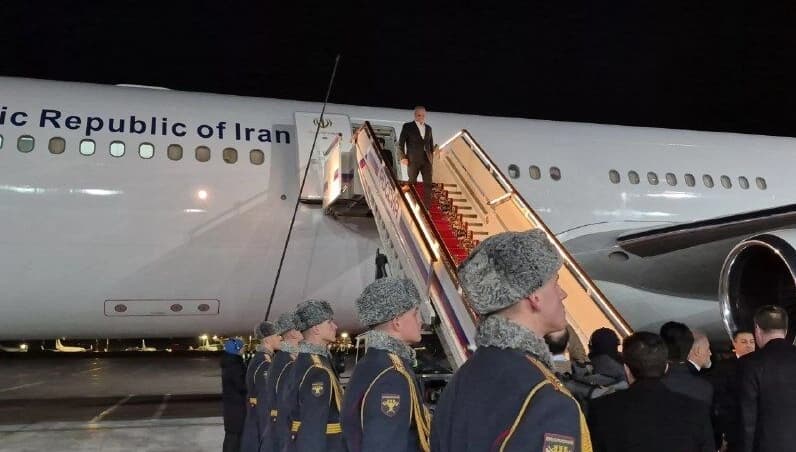

ERBIL, Kurdistan Region - Iranian President Masoud Pezeshkian arrived in Moscow late Monday to advance energy cooperation with Russia, including implementing a comprehensive strategic treaty, as the two countries seek to strengthen economic ties amid escalating US sanctions.
Pezeshkian will attend the eighth summit of the Gas Exporting Countries Forum (GECF). Speaking to reporters upon arrival, Pezeshkian criticized Washington’s unilateral policies and called for closer cooperation with Moscow and other countries.
“The problem lies in US unilateralism, which seeks to advance its affairs through bullying. Together with Russia and other nations, we are pursuing the realization of multilateralism in the world,” he said upon his arrival at Moscow’s Vnukovo International Airport according to IRIB news, Iran's state broadcaster.
Pezeshkian added that relations between Tehran and Moscow had “expanded significantly,” noting that the two countries had moved beyond drafting memorandums of understanding to signing a comprehensive strategic treaty.
“We are striving to put agreements into practice across all economic, scientific, cultural, security, and political fields,” he said.
Pezeshkian’s visit follows his meeting with a delegation of senior Saudi, Turkish and Pakistani officials in Tehran for regional security talks on Monday. During the discussions, he stressed the importance of conducting transactions in national currencies to reduce the effectiveness of unilateral US sanctions.
“Countries should conduct transactions in their own currencies or currencies agreed upon by both sides so that unilateral US sanctions cannot be effective,” Iranian state media cited him as saying after he met with members of the Mecca Pact.
During his visit to Russia, the Iranian president is scheduled to present proposals at Tuesday’s summit aimed at strengthening cooperation among major energy-producing nations. He is also expected to meet with Russian President Vladimir Putin and other participating leaders to discuss expanding trade and economic ties, according to IRIB.
While Iran’s president is attempting to strengthen ties with countries, including Russia, the US Secretary of the Treasury, Scott Bessent, said in an Interview with the London-based Persian news outlet, Iran International, that the Iranian people should “start stocking up on heating fuel. There's going to be a big heating fuel shortage. In terms of gasoline, everyone should fill up their tanks now.”
Bessent said that Iran’s economy will shrink by 25 percent by late March of 2027 and advised the Iranian people not to pay their taxes, saying they are "not going to get anything back from the government.”
Bessent's remarks come as US President Donald Trump continues to weigh negotiations with Tehran against the possibility of renewed military action, despite ruling out a US strike on Iran on Sunday.
“They have never been hit so hard. And now my question is do I make a deal with them or do I finish them off? That's my that's the only question. Do I make a deal or do I finish them off?” Trump told Fox News on Sunday.
Trump separately told reporters there would be no strike against Iran that day, while leaving open the possibility of future military action.
Tehran, meanwhile, has maintained that it remains open to negotiations while warning that it is prepared to defend itself if hostilities resume. Iranian Foreign Ministry spokesperson Esmaeil Baghaei said Sunday that Tehran had not abandoned diplomacy and that messages were being conveyed through intermediaries.
In mid June, the United States and Iran signed the Islamabad Memorandum of Understanding, brokered by Pakistan with Qatar's support, to establish a framework for ending hostilities and pursuing a broader agreement, Pakistan’s Prime Minister announced in a post on X at the time.
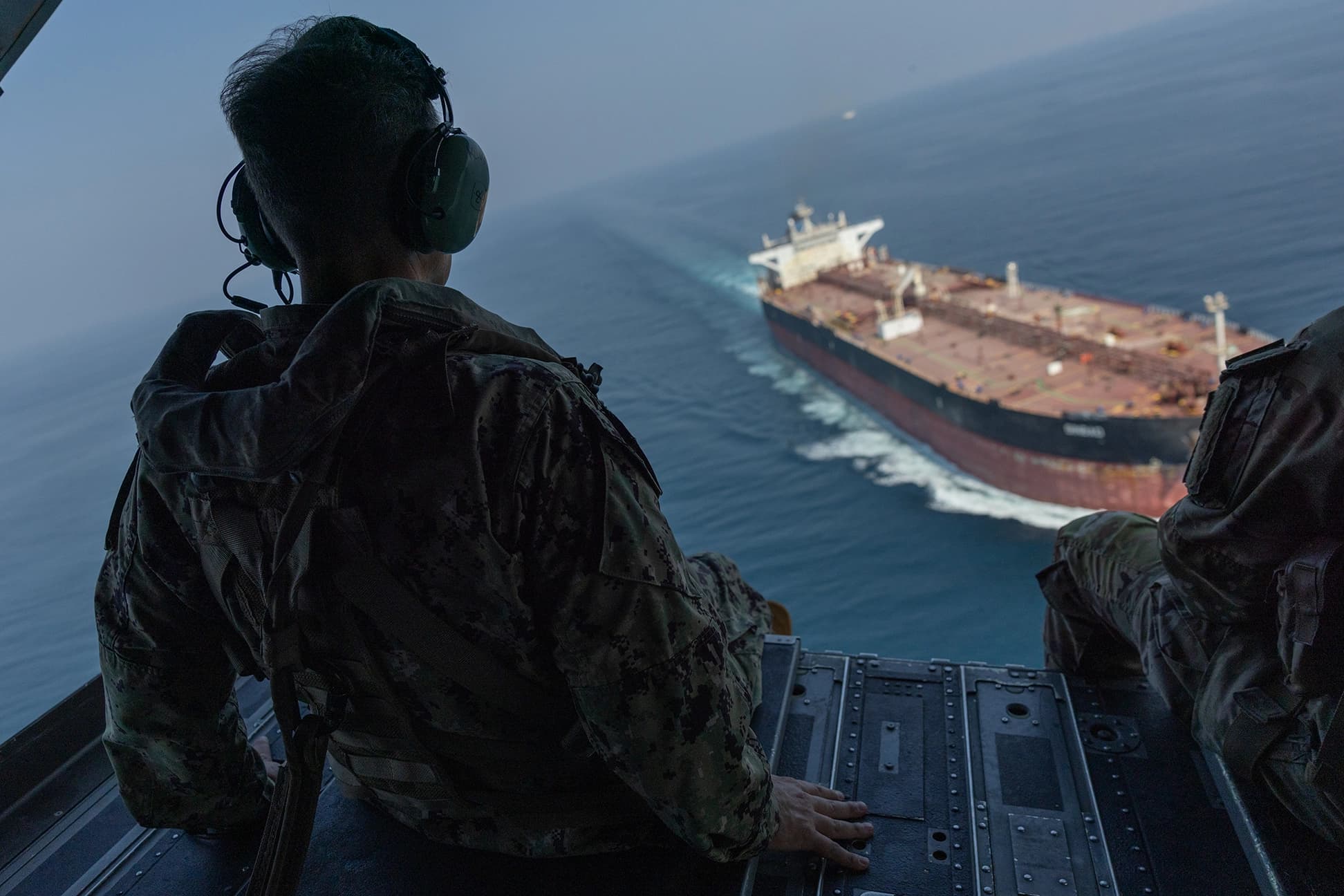
However, the understanding failed to produce a lasting settlement. Military tensions subsequently escalated, with the United States resuming its naval blockade of Iranian ports in mid-July and carrying out strikes on Iranian military targets, as Iran’s oil exports are down to zero.
Iranian strikes on ships in the Strait of Hormuz have surged significantly since the start of October with at least 30 vessels being reported and confirmed, marking the month with the highest number in incidents since March, according to the Washington Institute.