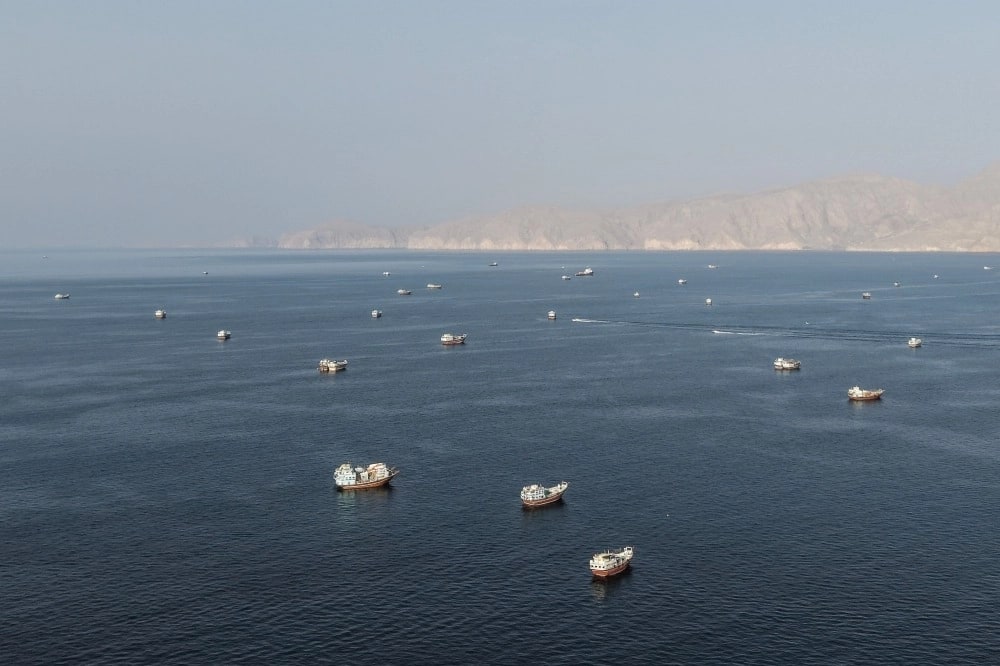

ERBIL, Kurdistan Region - Two oil tankers exploded and caught fire after striking naval mines in the Strait of Hormuz, Iran's Islamic Revolutionary Guard Corps (IRGC) Navy said Wednesday, as attacks on commercial shipping in the strategic waterway continue.
"Two violating oil tankers off the southern and eastern coasts of the Strait of Hormuz suffered explosions and fires in their engine rooms after striking naval mines," the IRGC Navy said in a statement carried by semi-official Mehr news agency, warning crews of oil tankers that claims of the US officials would drag them “into the explosions and fires of naval mines.”
“These tankers were attempting to pass through a fake route in the Strait of Hormuz when naval mines prevented their passage and caused massive explosions and fires,” the statement added.
The Strait of Hormuz, through which approximately one-fifth of global oil consumption normally passes, has become a major flashpoint since the war broke out between Washington and Tehran in late February.
Noam Raydan, a maritime tracker at the Washington Institute, said Tuesday that at least 26 attacks on vessels had been reported and confirmed in the Strait of Hormuz and surrounding waterways so far in November, including attacks on at least 10 very large crude carriers (VLCCs).
Washington has imposed a maritime blockade targeting Iranian shipping, while Tehran has repeatedly threatened vessels operating in the strategic corridor, accusing the United States of escalating hostilities.
The US Justice Department said Tuesday that Huawei and three subsidiaries were convicted of violating US sanctions on Iran, fraud and money laundering. The department said Huawei provided Iran with internet infrastructure and surveillance technology used to monitor and censor online activity.
"Today’s verdict is a step towards accountability for Huawei’s criminal activities, which include years-long collaboration with sanctioned entities in Iran, repeated lies to banks, and blatant thefts from US technology companies," said Joseph Nocella Jr., US attorney for the Eastern District of New York.
Washington’s continued and crushing sanctions on Tehran alongside a maritime blockade have disrupted Iran's oil exports and the currency weakened sharply against the US dollar, with the price of one US dollar reaching 284,800 tomans on Tuesday, up nearly four percent in a single day, according to Iran's Student News Network (SNN).
The sharp fall in Iran’s currency comes a day after the US Treasury on Monday announced new sanctions against individuals and entities accused of helping Iran move billions of dollars through international financial networks.
US President Donald Trump on Tuesday said “not one Iranian ship has gotten through” and described the blockade on the strategic waterway as the “greatest naval blockade in history.”
The idea of breaking the US blockade has been repeated by Iranian officials in recent days.
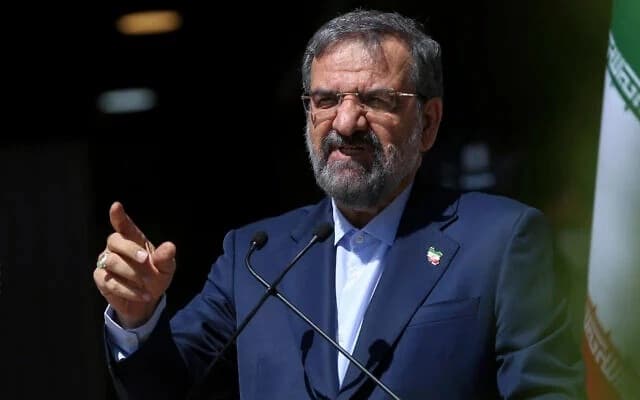
Mohsen Rezaei, secretary of Iran’s Supreme National Security Council - Iran’s top security body - said in a post on X that Iran is determined to break the blockade, a post that has spread through the Iranian media.
“Trump and his defeated team’s plans to blockade Iran are as delusional and futile as their failed war strategy,” Rezaei wrote, adding that Iran’s armed forces and state institutions “remain firmly determined to break the blockade and respond with full force to any new aggression."
Other Iranian officials have also called for breaking the US naval blockade. Foreign Minister Abbas Araghchi on Friday said the country would not wait for Washington's permission to resume oil exports.
Meanwhile, officials proposed sending a flotilla of oil tankers bound for China to challenge the blockade, warning that any attack on Iranian vessels could prompt retaliatory strikes against oil facilities in the United Arab Emirates, Saudi Arabia and Qatar, Fars news agency reported.