SARGARAN, Iraq - Dozens of Kurdish farmers in southern Kirkuk blocked a group of resettled Arabs escorted by the Iraqi army from attempting to confiscate land belonging to Kurds in southern Kirkuk on Wednesday.
Mohammed Amin, a representative of the Sargaran farmers, told Rudaw that the group had a document from the Kirkuk agriculture directorate, authorising them to access a 100-dunam piece of land in the village of Gabara, but locals in the region prevented them from approaching. “In a very civil way, we are here to prevent this and any other similar efforts,” he said.
Ihsan Abdulqadir, a farmer from the village of Gabaraka, Sargaran told Rudaw that a team from the Kirkuk agriculture directorate were escorted by the Iraqi army “to occupy my ancestors' land.”
Along with a group of local farmers, Abdulqadir blocked their entry to the road, telling Rudaw that “they can only occupy it [his land] if they run over my body.”
Another farmer from the village of Palkana, Ahmed Palkana, explained how “they [the resettled Arabs] brought four humvees [of the Iraqi army] with them, claiming to be executing the law.”
“What they are doing is unlawful. If they were convinced that it was legal, they would not have retreated,” Palkana continued.
There are 38 villages in Sargaran town. Twelve of these villages are subject to land disputes, according to the local council.
Badradin Shamsuddin, a former local official in Sargaran, told Rudaw on Wednesday that “we have local police, but they brought an army with them that threatened to attack and run over us.”
Since Kurds lost control of the Kirkuk province and other disputed areas in October 2017, several similar attempts to occupy land have failed.
Land belonging to the 12 disputed villages was originally taken away from Kurdish farmers by the Iraqi government in 1975 on grounds that they were prohibited oil zones. Two years later, in 1977, under Decree No. 949 issued from the Baath Supreme Revolutionary Council, they were given to Arabs resettled in the region.
Arabs from elsewhere in Iraq were brought into the disputed areas of Kirkuk largely between 1970 and 1978. The Arabization of the province has been a historical flashpoint between Baghdad and the Kurds.
After 2003 and the fall of the Baath regime, Iraq began a policy of de-Arabization within the framework of Article 140 of the constitution, which aims to reverse the demographic changes begun by Saddam Hussein during the Al-Anfal campaign.
Land that had been confiscated from Kurds and Turkmen were returned, while the Arabs who had been resettled were given financial compensation.
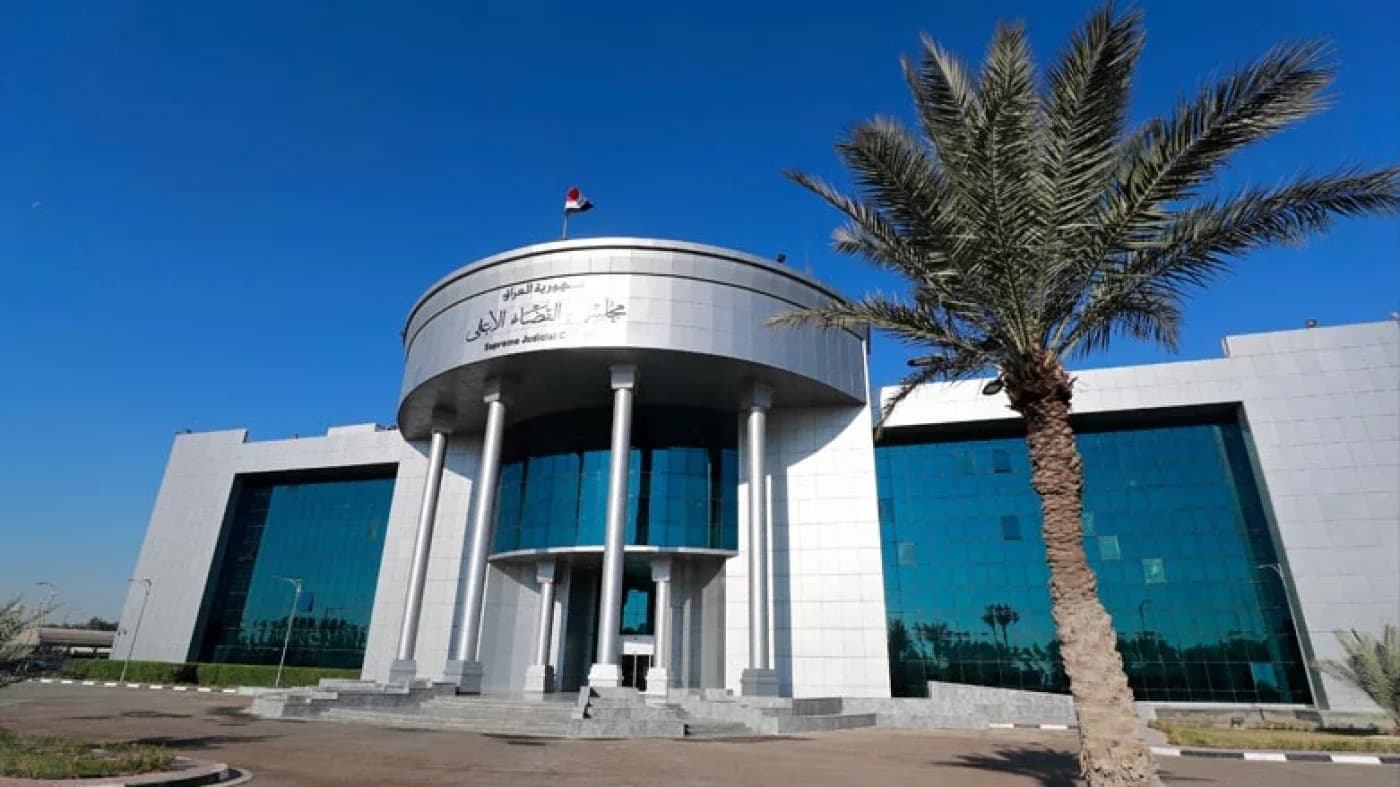
Now, they have come back with the support of the Kirkuk governor Rakan al-Jabouri, who issued 14 decrees seizing land owned by Kurds and giving it to Arabs before Iraq’s Federal Court rescinded his decrees in December 2018.
Shakhawan Abdulla, a winning KDP candidate for the Iraqi parliament from Kirkuk, told Rudaw that Wednesday’s action was “personal behaviour, not a military decision.”
“The resettled Arabs in the region have exploited their personal contacts with the officers” he said, adding that he had more than once “informed the head of the Kirkuk agriculture [directorate] to stop this behaviour [against Kurdish farmers].”
Abdulla told Rudaw that Zuhér Ali, head of Kirkuk's agriculture directorate, will face legal consequences for his actions because he has violated a number of decrees from both the [Iraqi] Council of Ministers and the agriculture ministry itself.
Kurdish locals in the area have alleged that a “re-Arabization” of the region has been underway since federal forces took control of disputed territories on October 16, 2017 and have pledged to continue preventing further attempts to occupy the land.
Video editing by Sarkawt Mohammed