ERBIL, Kurdistan Region - Iraqi authorities confiscated 375 kilograms of gold on Monday amid a sweeping anti-corruption crackdown, the Supreme Judicial Council (SJC) announced. The seizure included 358 kilograms recovered in coordination with the Kurdistan Region.
“The investigative judge of the Central Anti-Corruption Criminal Court clarified that 358 kilograms of gold were recovered in coordination with the Kurdistan Region,” the Supreme Judicial Council announced, adding that an “additional 17 kilograms were seized in a separate investigative case”
The announcement comes as Iraqi authorities are making headway with Operation Dawn, a large-scale anti-corruption campaign launched late June in coordination with Iraq's Federal Commission of Integrity.
To date, the operation has resulted in the arrest of dozens of Iraqi politicians and lawmakers, former officials, and senior government employees, in addition to hundreds of millions of dollars in stolen assets and seized state properties illegally transferred into private ownership.
The council stated that the recovery of gold is part of an investigation into Adnan al-Jumaili, deputy oil minister for refining affairs.
Separately on Monday, the council announced the seizure of nine commercial properties and three flour mills in Nineveh province. The assets, valued at about 69 billion Iraqi dinars (~$53 million), are linked to the case against detained Deputy Oil Minister Jumaili. Authorities also confiscated seven transport trucks, each valued at $200,000.
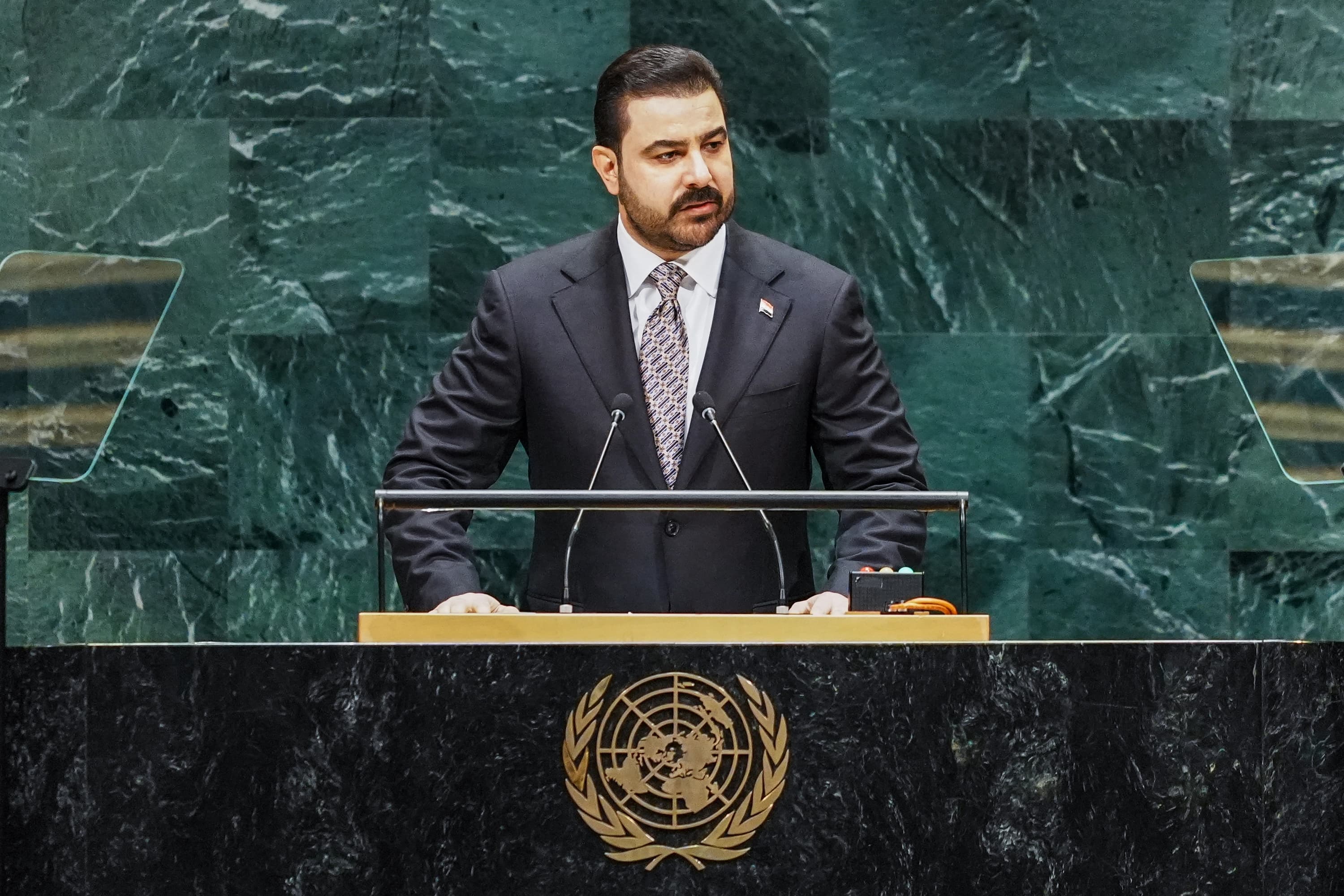
Jumaili’s arrest is the first major anti-corruption case under the administration of newly appointed Iraqi Prime Minister Ali al-Zaidi.
According to the Judicial Council, in early July the total value of seized assets from Jumaili was 127 billion Iraqi dinars (~$97 million) and $24 million, in addition to confiscated real estate, vehicles, and gold jewelry.
Iraq ranked 136th out of 180 countries in Transparency International’s Corruption Perceptions Index (CPI) in 2025, scoring 28 out of 100, reflecting a high prevalence of public-sector corruption compared to global standards.
.png&w=3840&q=75)