ERBIL, Kurdistan Region - An Iraqi human rights watchdog released a report on Sunday recording 385 victims of trafficking in Iraq despite 5,107 individuals being detained over human trafficking charges, a disparity that “points to a structural failure,” said the watchdog.
The Iraqi Observatory for Human Rights (IOHR) published its initial findings recorded 385 identified victims, out of which 89 were sexual exploitation victims, 25 were victims of organized begging, 233 were due to migrant smuggling and exploitation of foreign labor, 12 were victims of organ trafficking, and 26 children were victims of being sold. Of the detained 5,107 individuals, only 711 had convictions handed down to them.
“The wide disparity between the number of detainees and the number of identified victims …points to a structural failure in initial screening and classification procedures within police stations and investigative departments, one that risks treating exploited persons as offenders,” said IOHR.
The report comes amid gaps in Iraq’s anti-trafficking Law No. 28 established in 2012, regarding implementation and victim assistance, which have not yet been addressed.
According to the US department of state 2023 Trafficking in Persons Report, which placed Iraq on its Tier 2 watch list, recorded that Iraq “has not yet developed the regulatory and enforcement framework required to fully implement the 2012 Iraqi anti-trafficking law,” a statement later echoed in its 2025 report which concluded that Iraq does not fully meet the "minimum standards" for the elimination of trafficking but is making "significant efforts" to do so.
The report identified foreign migrant workers as a key foreign labor trafficking victim demographic facing “regular discrimination in the criminal justice process, re-victimization, and retaliation from traffickers” from employers.
IOHR’s initial findings are part of a larger more exhaustive report titled “The Architecture of Exploitation and the Justice Gap,” pending publication at a later date.
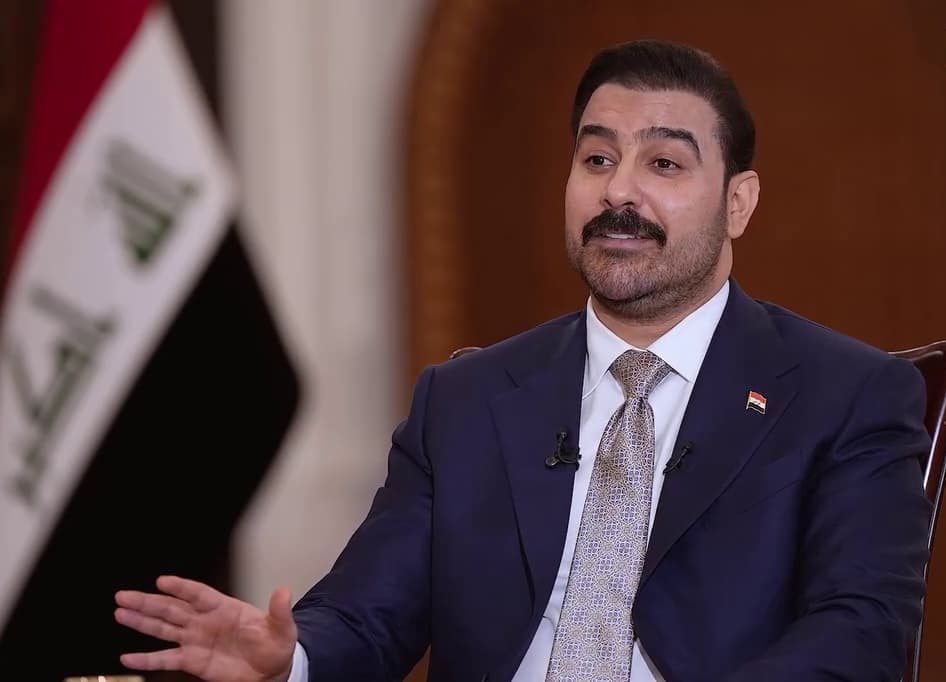
Mustafa Saadoon, the founder IOHR, urged authorities to comply with its anti-trafficking law and the international standards, calling on the government to provide protection, shelter, legal assistance, and medical and psychological care to victims.
The authorities’ handling of these cases,” without “distinguishing victim from perpetrator,” runs counter to Iraq’s commitments to the Palermo Protocol that Iraq ratified in 2009, added IOHR, branding the disparity as “significant human rights challenge” regarding “the limited number of victims identified relative to the scale of criminal activity.”
The watchdog highlighted a number of issues that hamper the fight against trafficking. Women facing sexual exploitation could be treated as having committed prostitution, children who are forced into begging are treated as offenders against public order, while exploited foreign migrant workers are tried for violations of residency and labor regulations.
“It deepens victims’ fear of engaging with the authorities, reduces their willingness to testify, and leaves them more exposed to re-exploitation once judicial proceedings conclude,” added IOHR.
Iraq’s Ministry of Interior, on June 22, 2026, had announced it had rescued 94 victims of trafficking, dismantled 48 trafficking networks, and arrested 1,012 suspects. The ministry has recorded 1,344 human trafficking cases to date. Investigations had uncovered local and transnational networks operating through digital platforms, leading to arrests and coordination with international security agencies.
In a November 2024 report, the International Organization for Migration (IOM) said Iraq is both a source and destination country for human trafficking, with women, children, minorities, displaced people, and other vulnerable groups at heightened risk. IOM said that modern slavery affects an estimated 221,000 people in the country.
IOHR listed a number of recommendations for the Iraqi government, including the establishment of shelters for child victims separate from detention facilities.
Further recommendations included the involvement of counsellors, help lines, and centers capable of rapid referral to protection services, and for victims to not be charged for crimes linked to their exploitation.