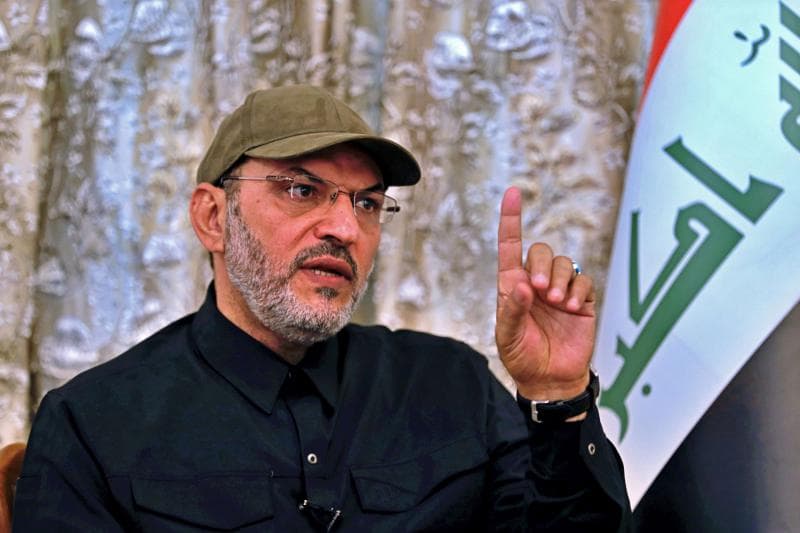

ERBIL, Kurdistan Region - The leader of an Iraqi militia group backed by Iran late Friday urged Yemen’s Houthis to proceed with closing the strategic Bab al-Mandeb Strait if Gulf countries do not lift their decade-long blockade on Yemen.
“The philosophy of deterrence is not exclusive to nuclear weapons,” said Abu Ala al-Walai, commander of Kata'ib Sayyid al-Shuhada. “God has endowed the peoples of the resistance with a geographic location that makes them uniquely influential on the arteries of global trade.”
Addressing the Saudi-led blockade in place since 2015, Walai defended the maritime threats. “If the doors of life are closed in the face of the Yemenis, it is their right to close Bab al-Mandeb to let the world hear that they will not die in silence,” he said. “Open the doors of the blockade on Yemen, and the strait will be opened for you; but if you squeeze them, the strait will squeeze you.”
Walai’s militia group is one of three Tehran-backed armed factions that have refused to disarm amid Iraqi government’s efforts to integrate armed groups operating outside its control into the state apparatus by September 30 - a deadline coinciding with the planned withdrawal of a US-led global military coalition from Iraq.
His statement comes as the Ansarullah movement, better known as Houthis, threaten to block the Bab al-Mandeb Strait - a vital maritime chokepoint between the Arabian Peninsula and the Horn of Africa - amid a sharp escalation with Saudi Arabia. The strait serves as a crucial transit route for Gulf oil exports to bypass potential maritime disruptions in the Strait of Hormuz.
Tensions flared after Yemen’s internationally recognized government struck the runway at the Houthi-controlled Sanaa International Airport to prevent an Iranian aircraft from landing. The Houthis blamed Riyadh for the attack, retaliating with salvoes of drones and missiles aimed at an airport in southern Saudi Arabia, while declaring the Bab al-Mandeb closed to Saudi shipping on Monday.
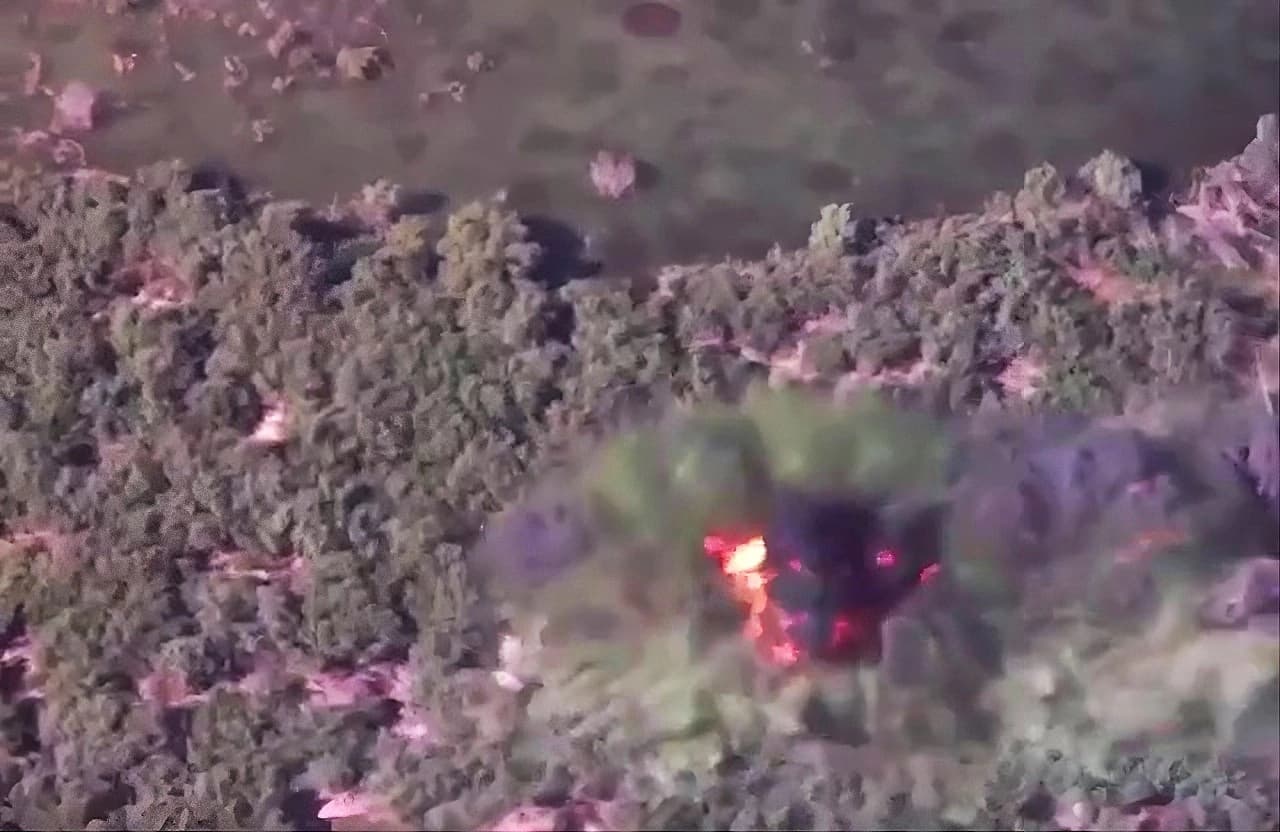
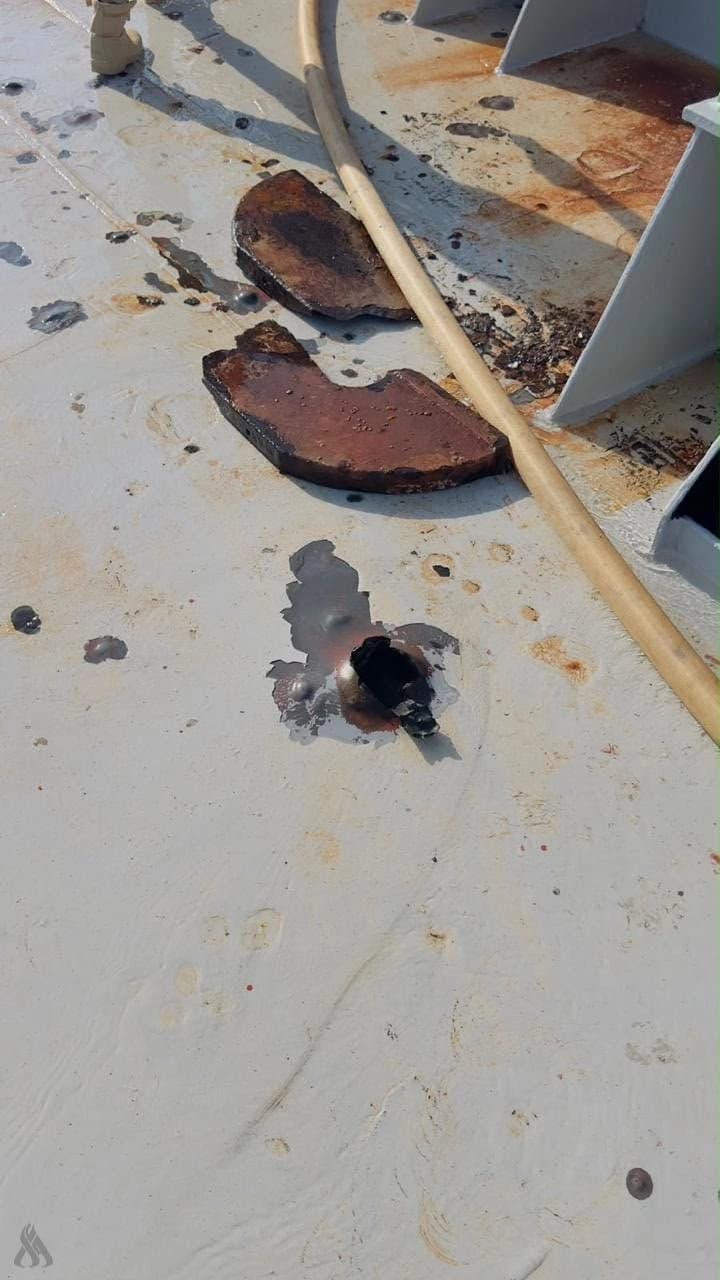
On Thursday, Houthi military spokesperson Yahya Saree said the group targeted two Saudi oil tankers in the Red Sea after they “violated the blockade.” At least six commercial vessels have redirected their routes following the warnings.
In response, the Saudi-led coalition launched retaliatory strikes on the western port city of Hodeida on Saturday. Coalition spokesperson Turki al-Malki stated that the operation “focused on legitimate military targets of the terrorist Houthi militia linked to the threat against ships in the Red Sea,” adding that the strikes achieved their operational objectives while respecting the principle of proportionality.
The escalation also drew a sharp warning from Washington. In a post on Truth Social, US President Donald Trump warned Iran against further Houthi attacks on commercial shipping.
"A year ago the United States of America attacked, very powerfully, the Houthis, for their interference with commerce and trade, by shooting at ships," Trump wrote, noting that while the group had recently abstained from strikes, "unfortunately, now they are starting up again, shooting at two Saudi Arabian ships last night [Thursday]."
"If they do this again, the U.S. will hold Iran responsible, in that the Houthis are a surrogate and/or proxy of Iran," he added.
The Houthis and Kata'ib Sayyid al-Shuhada are part of the regional Iran-led "Axis of Resistance." Both of them are designed as terrorist groups by the US for their alignment with Iran's militant network.