ERBIL, Kurdistan Region - Approximately 11,000 low-ranking personnel affiliated with the Iraqi interior ministry have been enrolled in a mandatory literacy program, part of a wider push to eradicate illiteracy in government institutions, the ministry announced late Saturday.
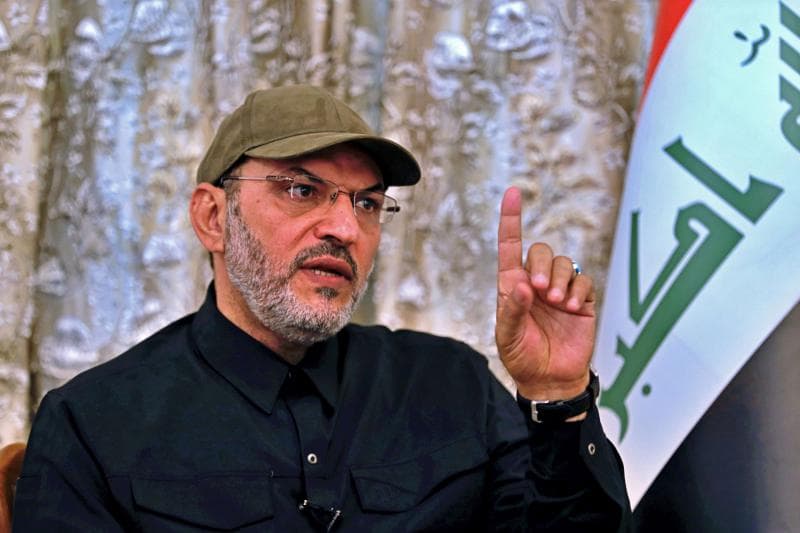
Acting Interior Minister Hussein al-Awadi “reaffirmed the ministry’s full support for literacy initiatives, emphasizing that all available resources are being mobilized to ensure their success,” according to a ministry statement issued after a conference held to lausnch the program.
The program includes “setting up educational centers, providing necessary facilities, and coordinating with the Executive Body for Literacy [at education ministry] to elevate the educational standards of ministry personnel,” Awadi added.
The announcement comes as the 2024 census placed nationwide illiteracy at 15.3 percent. While senior civil service posts require university or technical degrees, illiteracy in the public sector is concentrated mainly among lower-ranking personnel in security forces, local police commands, municipal services, and facility protection forces.
Speaking at the conference, held in Baghdad on Saturday, Iraqi Education Minister Abdulkarim al-Jubouri - who also chairs the Supreme Authority for Literacy - said the initiative will “strengthen partnership between state institutions.”
He added that he hoped the interior ministry “will become the first government entity to be declared free of literacy.”
Roughly 81.1 percent of Iraq’s adult population was illiterate in the early 1960s - 71.6 percent of men and 90.7 percent of women - according to a UNESCO report published in 1971.
In late 1960s, the Iraqi government enforced mandatory education classes for adults aged 15 to 45 as part of a broader effort to secularize society and staff its expanding industries, particularly oil, with domestic labor rather than relying on foreign workers.
Thousands of literacy hubs were established nationwide in schools, workplaces, military barracks, community centers, and rural villages. Unexcused absence or failure to attend classes carried legal penalties, including fines, denial of government employment, restricted access to administrative services, and potential prison time.
UNESCO recognized the campaign’s success with the Nadezhda K. Krupskaya Prize, citing the rapid drop in illiteracy and high enrollment among women.
The campaign’s long-term impact, however, was undermined by subsequent regional conflicts with Iran (1980–1988) and Kuwait (1990–1991), as well as the economic decay of the 1990s.