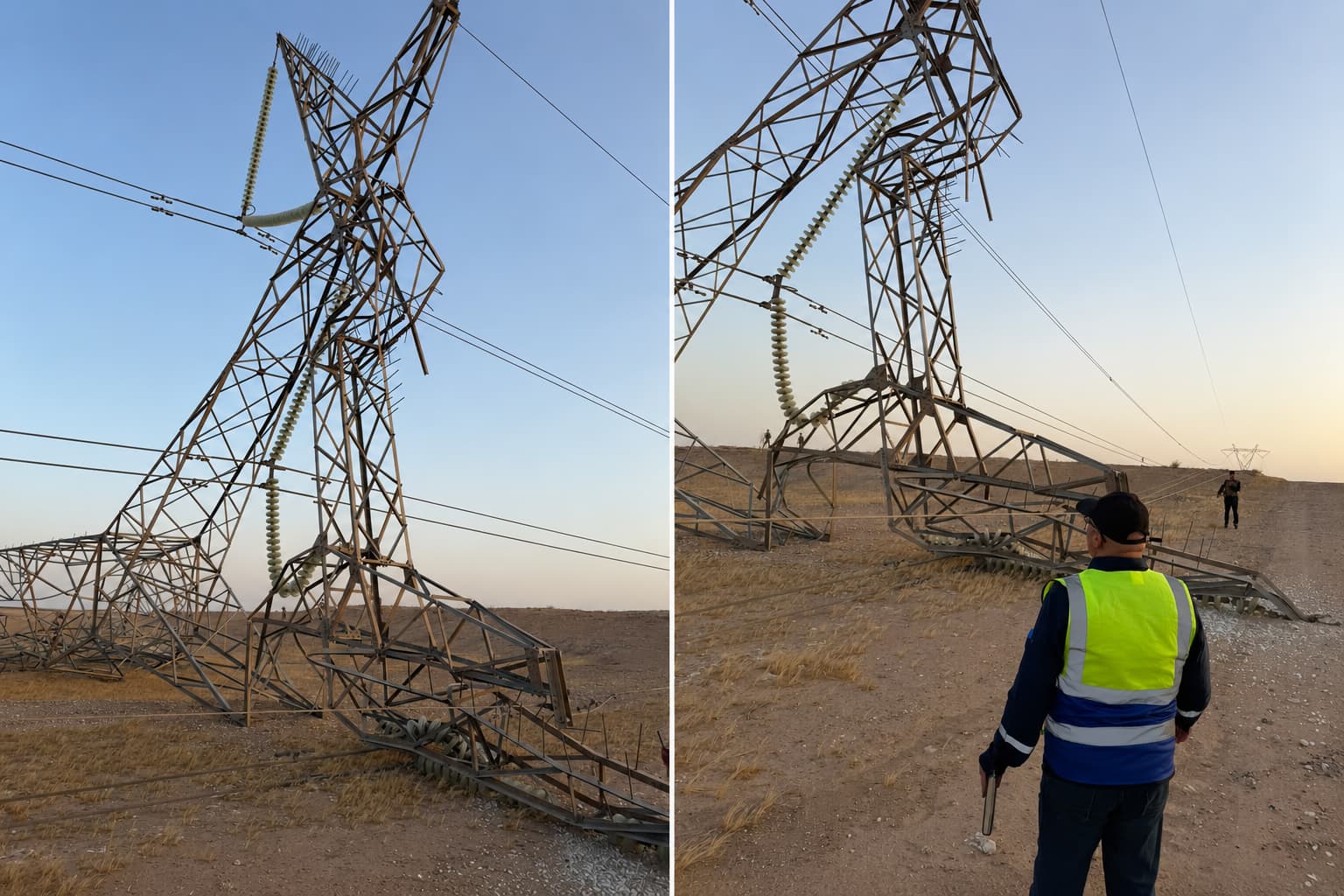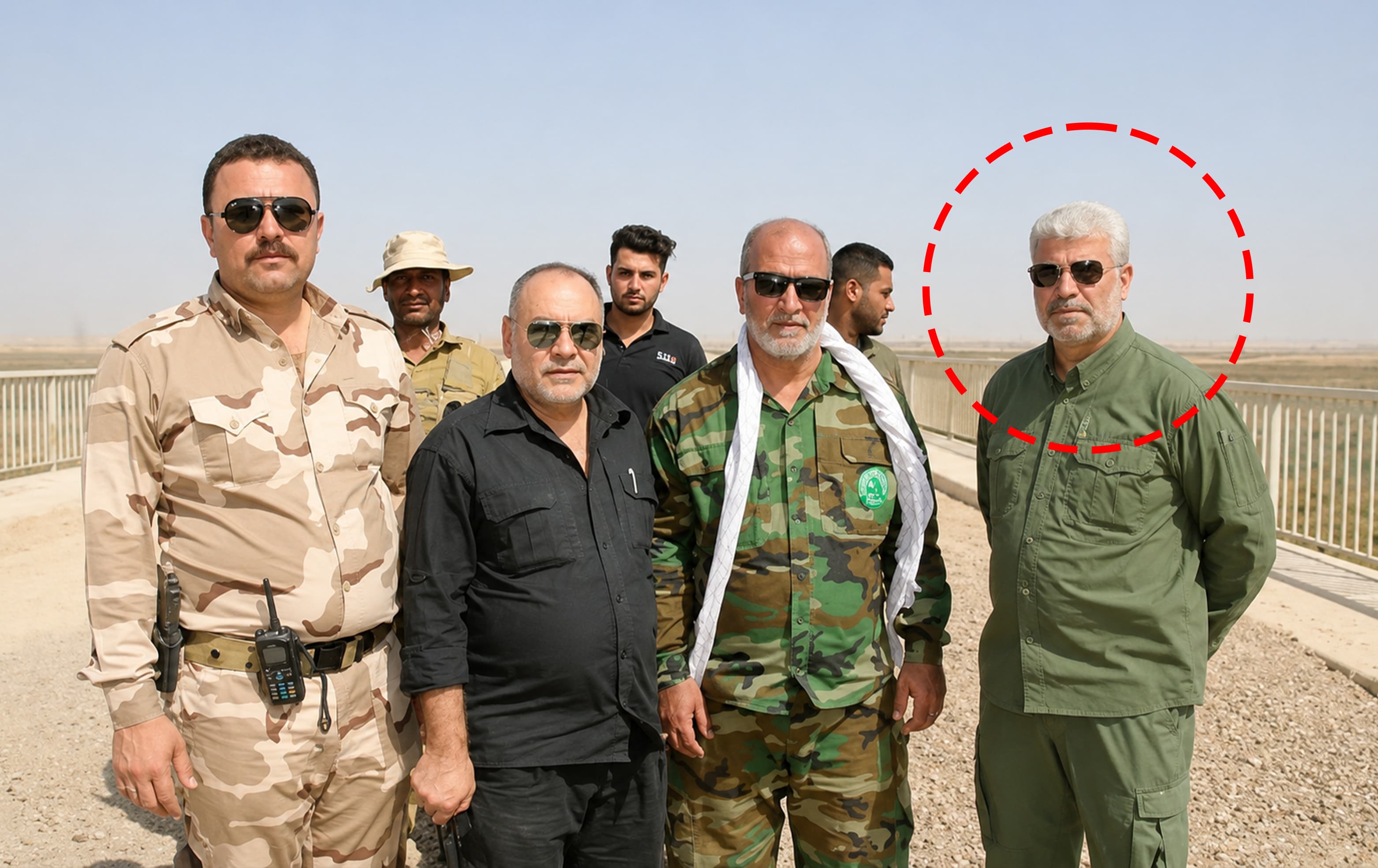

ERBIL, Kurdistan Region - A commander in Iraq’s Popular Mobilization Forces (PMF) on Wednesday dismissed reports that senior Iranian commander General Ali Eghbalpour had been killed in overnight US-Saudi strikes, saying he was not in the area at the time.
US and Saudi fighter jets carried out a series of strikes overnight on several locations across Iraq, including in Nineveh and Salahaddin provinces, in response to more than 30 drone attacks targeting US forces and Saudi facilities over the past 72 hours.
One of the strikes targeted a vehicle in the town of Amerli in Salahaddin province, according to footage published online. A PMF military base in the town was also struck.
Iraqi local media initially reported that an “important” official had been killed in the Amerli strike, prompting speculation that Eghbalpour, a senior commander in Iran’s Islamic Revolutionary Guard Corps (IRGC), had been the target.
Eghbalpour has operated for years in Kirkuk and Salahaddin provinces and has served as a key coordinator between the IRGC’s Quds Force and Iran-aligned Shiite militias in the area.
Several PMF officials contacted by Rudaw declined to discuss the reports. “We cannot confirm or deny the rumours,” one official stated.
However, a senior PMF commander, speaking on condition of anonymity, rejected the claims.
“The reports of Eghbalpour’s death are baseless because he was not in the area,” the commander said, describing them as part of the enemy’s “psychological warfare.”
According to initial estimates in the latest PMF statement, 20 were killed and 32 were injured in US-Saudi airstrikes.
Eghbalpour played a key role in negotiations with Kurdish commanders before Iraqi forces and Iran-aligned groups retook Kirkuk following the Kurdistan Region’s independence referendum in 2017.
The militias have been accused of launching hundreds of drone attacks on the Kurdistan Region over the years, as well as attacks targeting Gulf countries in recent months.
Saudi Arabia and other Gulf states have repeatedly called on the Iraqi government to prevent armed groups from launching missile and drone attacks from Iraqi territory. Prime Minister Ali al-Zaidi has vowed to rein in the militias and disarm them by the end of September when US forces and foreign military missions are expected to depart Iraq.
This comes as Iraqi National Security Adviser Qasim al-Aboudi said in a Tuesday interview that there was no conclusive evidence linking the militias to the recent drone attacks on Gulf countries.
.jpg&w=3840&q=75)