
ERBIL, Kurdistan Region - Iraq's Oil Ministry plans to station employees of the State Organization for Marketing of Oil (SOMO) at Kurdistan Region oilfields to monitor actual production and exports, a Kurdish lawmaker told Rudaw on Thursday as discussions over the Region’s share in the federal budget continue.
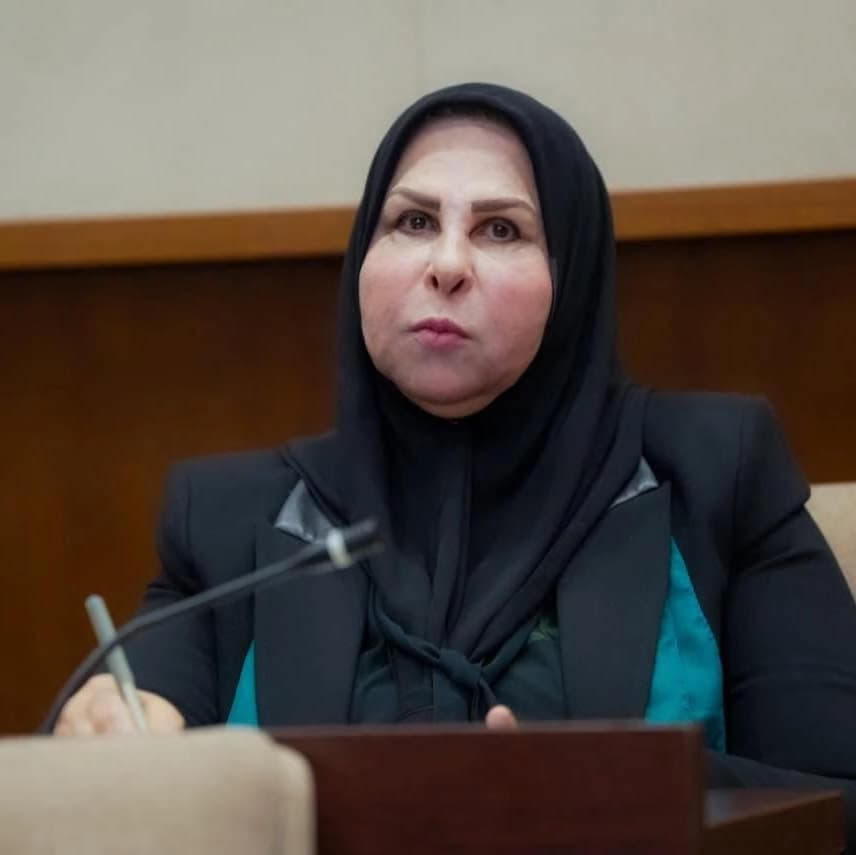
"The plan is to place SOMO employees at the Kurdistan Region's oilfields to determine the actual volume of production, exports and oil used for domestic consumption," Omid Barwari, a member of Iraqi parliament's Regions and Governorates Committee, told Rudaw's Hastyar Qadir on Thursday.
"This is to ensure that incorrect figures are not imposed on the Kurdistan Region," he added, noting that the ministry intends to negotiate the proposal with the Kurdistan Regional Government (KRG).
The proposal could have direct implications for the Region's obligations under Iraq's federal budget, particularly as Erbil and Baghdad continue to dispute production figures and oil exports.
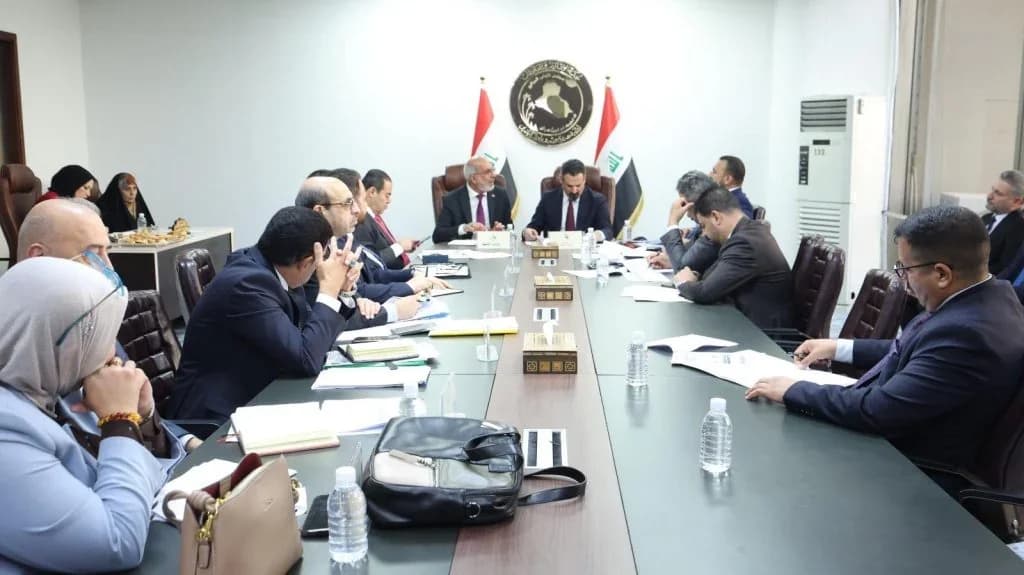
The plan was discussed during a meeting between Oil Minister Basim Mohammed Khudair and the parliamentary committee on Wednesday, according to a statement from the committee.
During the meeting, Abadi outlined a proposal that sets out a joint management framework to prevent oil smuggling, determine actual production volumes at the Region's oilfields and coordinate with the KRG over the disbursement of financial entitlements.
The proposal comes amid renewed allegations of oil smuggling from the Kurdistan Region.
In October, Ala Talabani, a long-time member of the Patriotic Union of Kurdistan and currently an adviser to Iraqi Prime Minister Ali al-Zaidi, alleged that oil was being smuggled from the Kurdistan Region through Syria to Turkey.
The KRG's Ministry of Natural Resources rejected the allegations, saying they lacked "facts and reliable data." The ministry also said 42 federal Oil Ministry representatives were supervising exports to Turkey.
Deputy Prime Minister Mohammed Tamim repeated the allegations on Sunday in an interview with Iraq 24 that Baghdad had intelligence indicating production from Kurdistan Region oilfields exceeded 400,000 barrels per day.
"The main problem is transparency. It is unreasonable for one side to report production of 265,000 barrels per day while the actual production could be different. The federal government is asking for a clear monitoring mechanism to verify the figures," Tamim told Iraqi TV channel (name of TV) in an interview that aired on (day).
"What is needed is to know where the additional oil production goes, as reports have not clearly established where these quantities are going," he added.
This contrasts with last week's statement from the KRG, which cited Wood Mackenzie estimates placing daily production at 255,000 bpd.
The draft 2027 federal budget makes the Kurdistan Region's financial share conditional on handing over oil to Baghdad.
Under the draft, the Region is required to deliver 400,000 barrels per day (bpd) through Turkey's Ceyhan port, although current production remains below that level at around 250,000 barrels per day. The Kurdistan Region uses 50,000 bpd for daily domestic consumption.
The draft bill for the first time includes Kurdistan Region’s natural gas production within financial obligations that must be met for Baghdad to disburse budget transfers. Per a provision, natural gas produced in excess of the Region’s daily need must be handed over to Baghdad.
The Kurdistan Region produces over 750 million cubic feet of natural gas a day from its Khor Mor and Chamchamal fields, with the majority going towards powering the 24-hour electricity scheme known as Runaki. An undisclosed amount has been sold to Baghdad over the years for electricity generation.
The KRG has called for amendments to the draft, with salaries and financial entitlements among its main concerns.
Dilshad Shahab, spokesperson for the Kurdistan Region Presidency, told Rudaw's Nwenar Fatih in an October interview that there was a "positive understanding to modify the draft."
"The first and most important point is that the salaries and financial entitlements of Kurdistan Region employees are not linked to anything," Shahab said, adding that the KRG had "fully fulfilled its legal responsibilities" toward Baghdad.