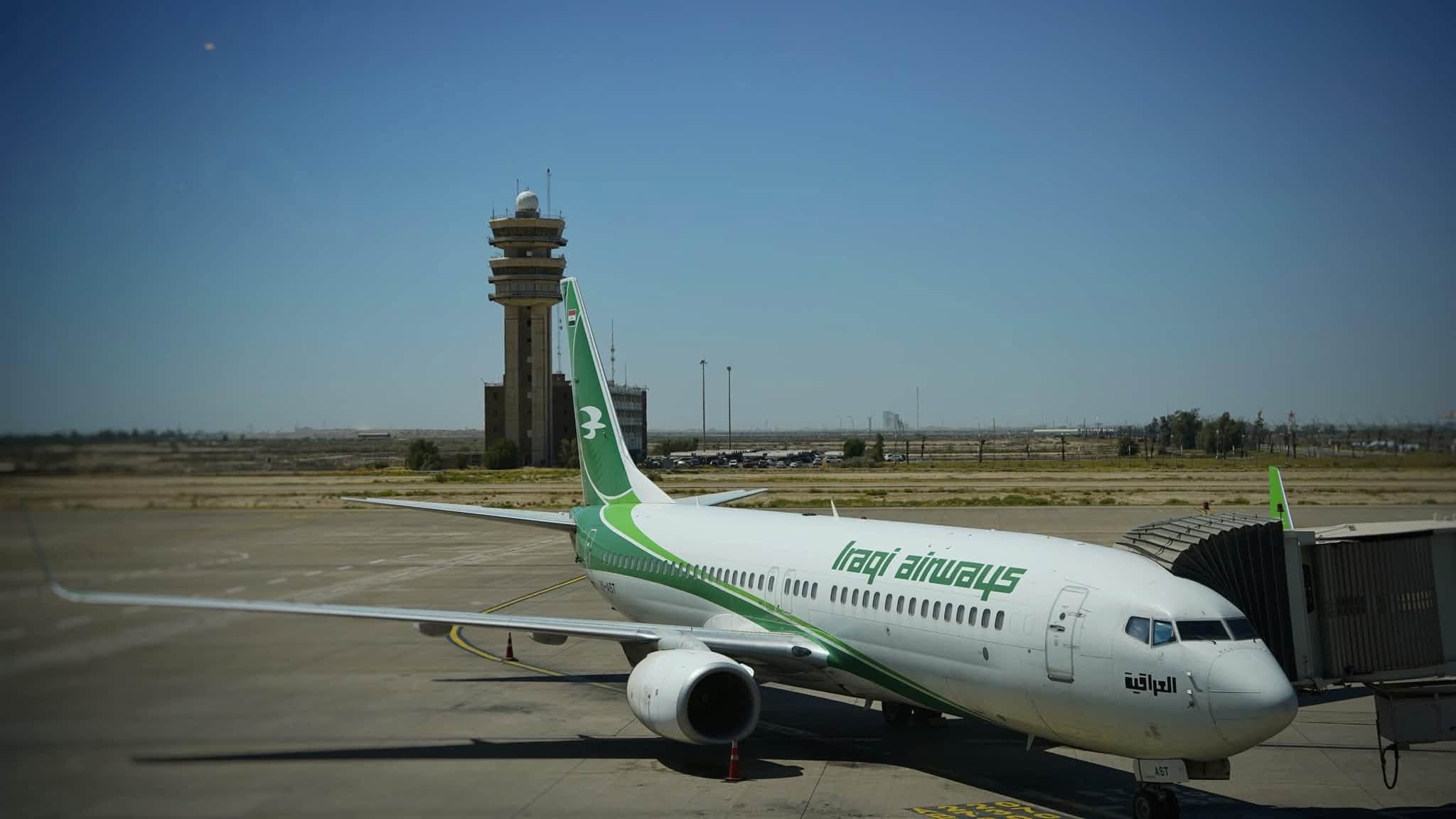
ERBIL, Kurdistan Region - Flights from Iraq to the Russian capital Moscow will resume early next week, the country's national carrier, Iraqi Airways, said in a statement, noting that the resumption follows nearly five months of disruption caused by the outbreak of the Iran war.
"Iraqi Airways will resume direct flights between Baghdad and Moscow and vice versa starting on Tuesday, August 4," the carrier said Thursday.
The airline added that “flights had been suspended for five months due to security concerns following the military escalation in the region that began in late February,” noting that “the decision to resume services comes in response to growing demand for direct flights” between the capitals of the two nations.
The suspension came just over a week after the United States and Israel launched a large-scale aerial campaign against Iran on February 28, triggering six weeks of hostilities. Caught in the middle of the conflict, Iraq and the Kurdistan Region shut down their airspace.
Baghdad International Airport director Harith al-Obaidi said in mid-May that the facility's operational capacity had risen to 90 percent after the closure of Iraqi airspace, citing the return of Qatari flights, some Iranian carriers, and Turkey's main carrier, Turkish Airlines. The number of airlines operating at the facility stood at around 30, Obaidi said at the time.
Meanwhile, Baghdad's transport ministry reported in early July that Iraqi airspace recorded around 6,660 terminal flights and over 1,340 overflying flights in June. Baghdad International Airport saw the highest volume of traffic, with 1,570 arriving flights and 1,576 departing flights, followed by Erbil International Airport with 696 arriving flights and 692 departing flights, the ministry said.
Iraq reopened its airspace on April 8 following a 40-day closure, on the same day Iran and the US agreed to a Pakistan-brokered ceasefire, allowing space for negotiations.
Tehran and Washington in mid-June agreed to the Islamabad Memorandum of Understanding, a preliminary agreement under which both sides committed to a cessation of military operations and to talks aimed at reaching a comprehensive settlement to the regional war within 60 days of signing, with the possibility of extension by mutual consent.
However, since July 8, the two sides have engaged in on-and-off confrontations, with the US launching more than a dozen waves of strikes across Iran and Tehran targeting alleged US military sites in the region, chiefly in Bahrain, Jordan, and Kuwait.
The latest escalation has cast doubt on the fate of the Islamabad MoU and prompted airlines to postpone or suspend flights to the affected countries, including Iraq.