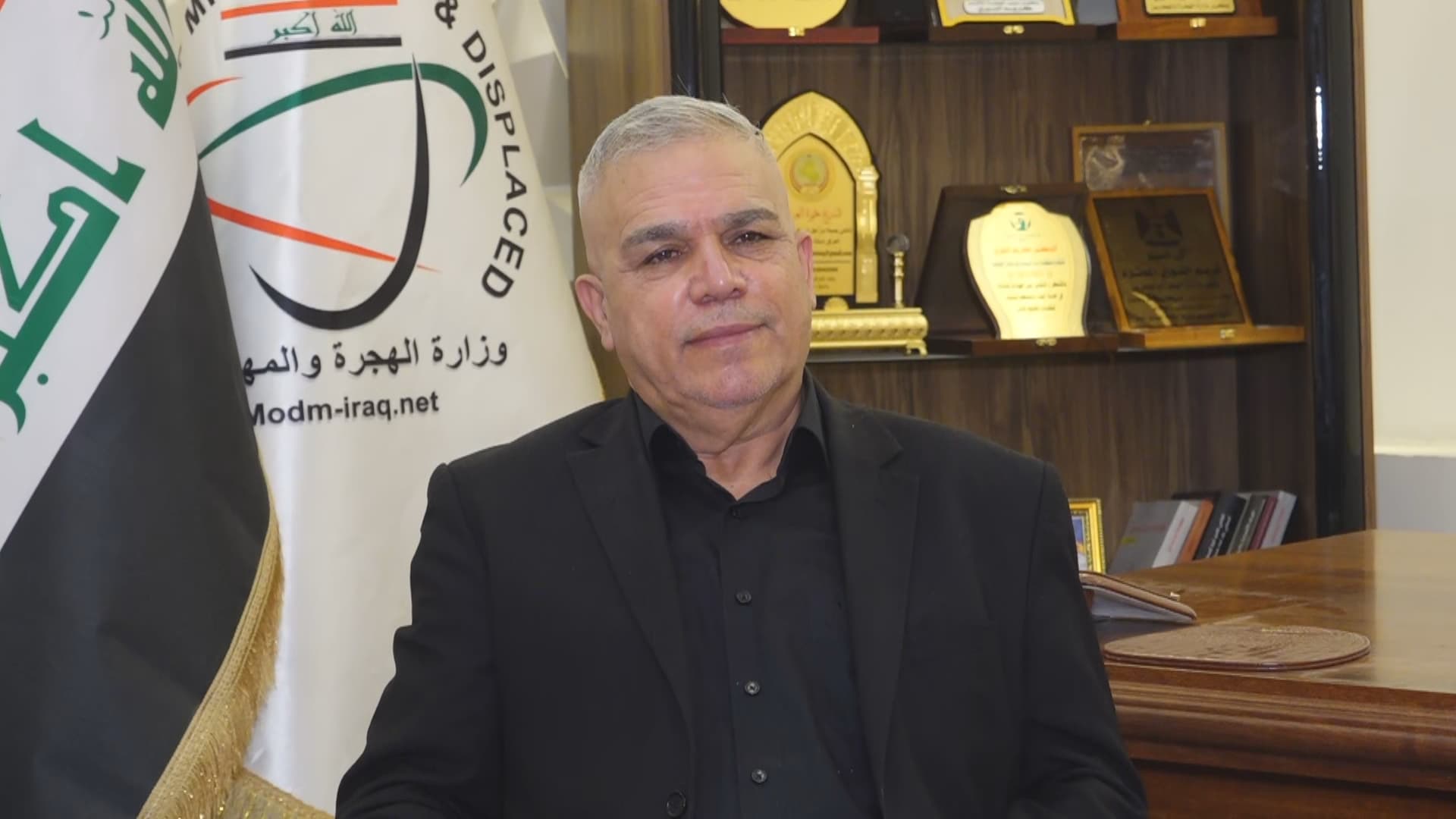

ERBIL, Kurdistan Region - The return of the Yazidi displaced people to their hometown in Shingal (Sinjar), Nineveh province, is a federal priority, Iraq's deputy migration minister said Sunday, noting that the displaced can not return to their homes without restored security and essential services to ensure a "dignified life."
"While Nineveh Governorate is the primary stakeholder responsible for delivering services in Shingal, rebuilding the district and ensuring a dignified life for its residents is a collective responsibility,” Karim al-Nouri told Rudaw’s Sangar Abdulrahman, adding that “once the proper capacity is built, helping them will remain a top priority so that Iraq can finally be free of displacement."
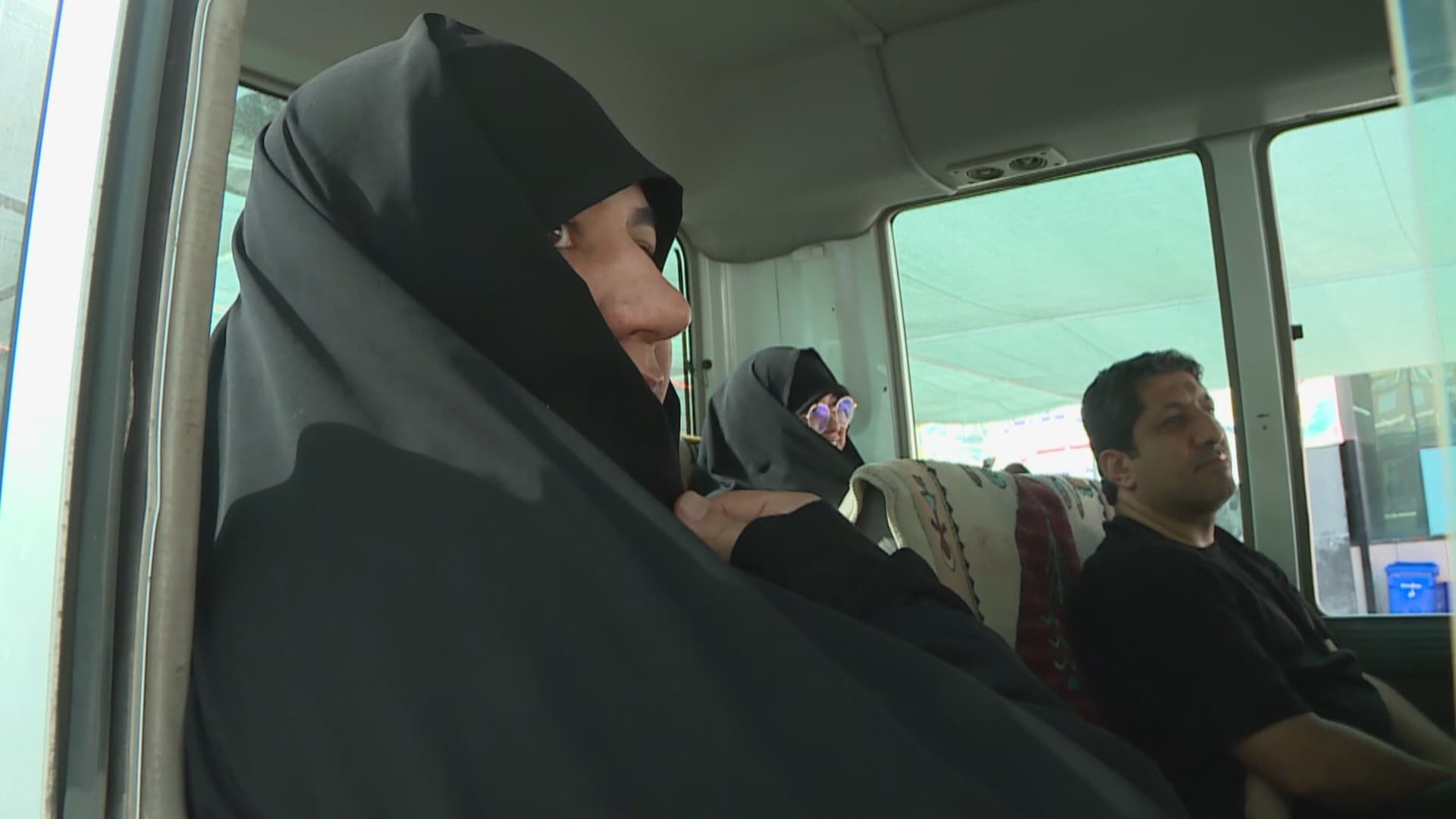
Hundreds of thousands of Yazidis and other Iraqis were displaced after the Islamic State (ISIS) swept across large parts of Iraq in 2014, including Shingal. While many families have returned in recent years, thousands remain in camps across the Kurdistan Region due to ongoing security concerns, damaged infrastructure, and a lack of services in their home areas.
“ISIS will only truly be defeated when IDPs - especially Sinjar residents - return home,” Nouri noted while saying that the slow pace of returns was not due to “shortages and delays” by Baghdad, but rather the “complex factors that created these problems in the first place.”
During the genocide, ISIS militants killed an estimated 5,000 to 10,000 Yazidi men and elderly women and abducted 6,417 women and children.
Around 400,000 of the massacred community fled to the Kurdistan Region. However, 135,860 Yazidis are still living in camps while another 189,337 are living across the Region, according to the Office for Rescuing Kidnapped Yazidis at the Kurdistan Region Presidency.
The federal government had closed all the IDP camps under its jurisdiction by 2025. “Only 16 or 17 camps remain in the Kurdistan Region, housing approximately 17,000 families,” the deputy migration minister said.
"These families need social and psychological rehabilitation alongside the physical rebuilding of their home areas,” he noted, citing lack of funds to support the return of the remaining families.
“While the current financial crisis reflects the overall state of the nation, it does not justify neglecting these oppressed communities,” he added.
Baghdad has encouraged displaced Yazidis to return to Shingal, offering returning families four million Iraqi dinars (over $3,000) in financial assistance, along with basic household appliances such as a refrigerator, stove, and television.
In addition to the reported uneven distribution of the funds and their inadequacy in addressing the needs, the security in Shingal remains volatile.
Shingal is currently controlled by a patchwork of armed groups, including Iraqi Federal Forces, Popular Mobilization Forces (PMF), and local militias affiliated with the Kurdistan Workers' Party (PKK) like the Shingal Protection Units.
Also, much of the district and its surrounding villages were reduced to rubble during the war against ISIS.
The landmark 2020 agreement between Erbil and Baghdad - designed to appoint a new local mayor, establish a local police force, and remove unauthorized armed factions - remains largely unimplemented. This has led to an administrative vacuum, where the lack of a single recognized local administration makes it difficult for international aid organizations and government ministries to implement long-term development projects.
Nouri said a lasting solution requires “a formal agreement between Erbil and Baghdad, alongside continued assistance from UN agencies and humanitarian organizations."