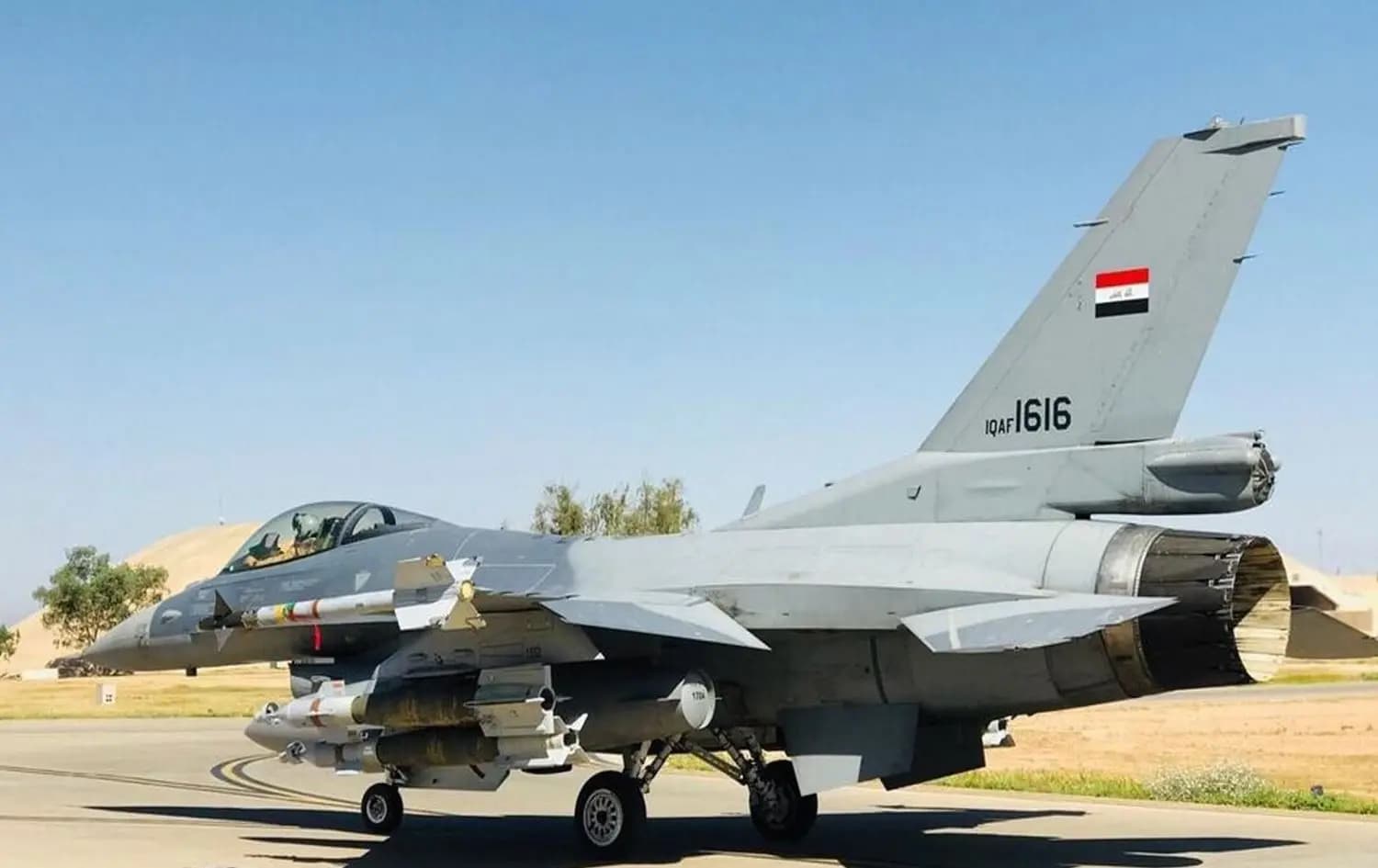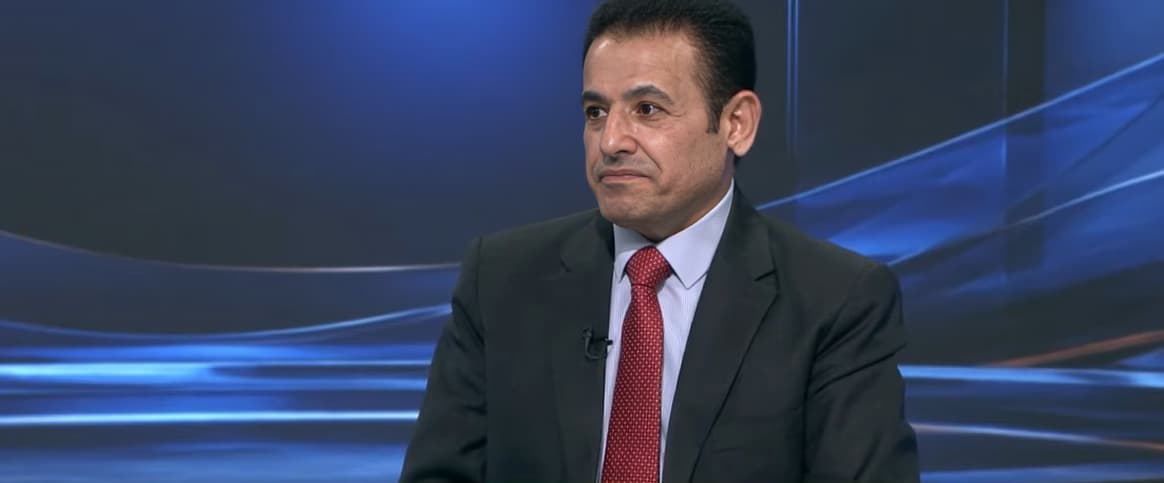

ERBIL, Kurdistan Region - Iraq will begin gradually consolidating weapons held by armed factions under state control after the international coalition’s scheduled departure on September 30, the security advisor to the Iraqi prime minister said Sunday, calling the move a “strategic Iraqi decision” and stressing that the process will be carried out through dialogue as opposed to armed confrontation.
Araji, speaking to the state-run Iraqi News Agency (INA), said, “After September 30, the process of restricting weapons to the state will begin gradually.”
Araji said the government was serious about ‘severing’ ties between political parties and Popular Mobilization Forces (PMF) brigades, adding that ongoing dialogues to complete the disengagement process were producing positive results as Baghdad seeks to “strengthen trust.”
The push to bring all weapons under state control has emerged as a central security issue in Iraq as the government prepares for the scheduled departure of the international coalition mission. The Iraqi government had previously set September 30, as the deadline for armed factions to hand over their weapons to the state.
Araji said all political forces agree that weapons should be controlled exclusively by the state and “The decision of war and peace is exclusively in the hands of the Iraqi state.”
“The weapons of the factions will become a force for the state and will not be handed over to any external party,” he affirmed.
Baghdad has faced resistance from some Iran-aligned factions, which have linked disarmament to the departure of US and other foreign forces from Iraq, with Kata'ib Hezbollah, in a statement on Tuesday, going so far as to demand the departure of Turkish troops from northern Iraq and the dissolution of the Peshmerga forces as preconditions to complying with the government’s disarmament mandate.
Araji stressed confrontation constituted “a red line” for the government, but that Baghdad "will work to guarantee the rights of the fighters” of Popular Mobilization Forces (PMF) members during the process, reiterating his dismissal of accusations directed at the institution.
The PMF, an umbrella of mostly Shiite armed groups formed in 2014 to fight the Islamic State (ISIS), was later incorporated into Iraq’s security structure. Some of its factions, however, retain political and military structures that have complicated efforts to establish unified state control over armed forces.
Araji acknowledged that “there are still some terrorist pockets," despite Iraq’s fight against ISIS having ended militarily.
He also said Prime Minister Ali al-Zaidi would not seek a second term, describing him as “the man of the current phase.”
Araji stressed that the weapons drive was an Iraqi strategic decision and “There is no external intervention” in the government’s push to consolidate all security decisions under state authority.
Security Media Cell chief Saad Maan said earlier this month that about 6,000 privately held weapons were being registered each week, with more than 580,000 registered, in addition to significant quantities of unregistered weapons.