
ERBIL, Kurdistan Region - Iraqi Prime Minister Ali al-Zaidi on Saturday ordered the Oil Ministry to accelerate work on two strategic crude oil pipeline projects linking Basra with Fishkhabur in the Kurdistan Region’s Duhok province and Haditha with Baniyas, as Baghdad seeks to diversify its oil export routes amid disruptions at the Strait of Hormuz.
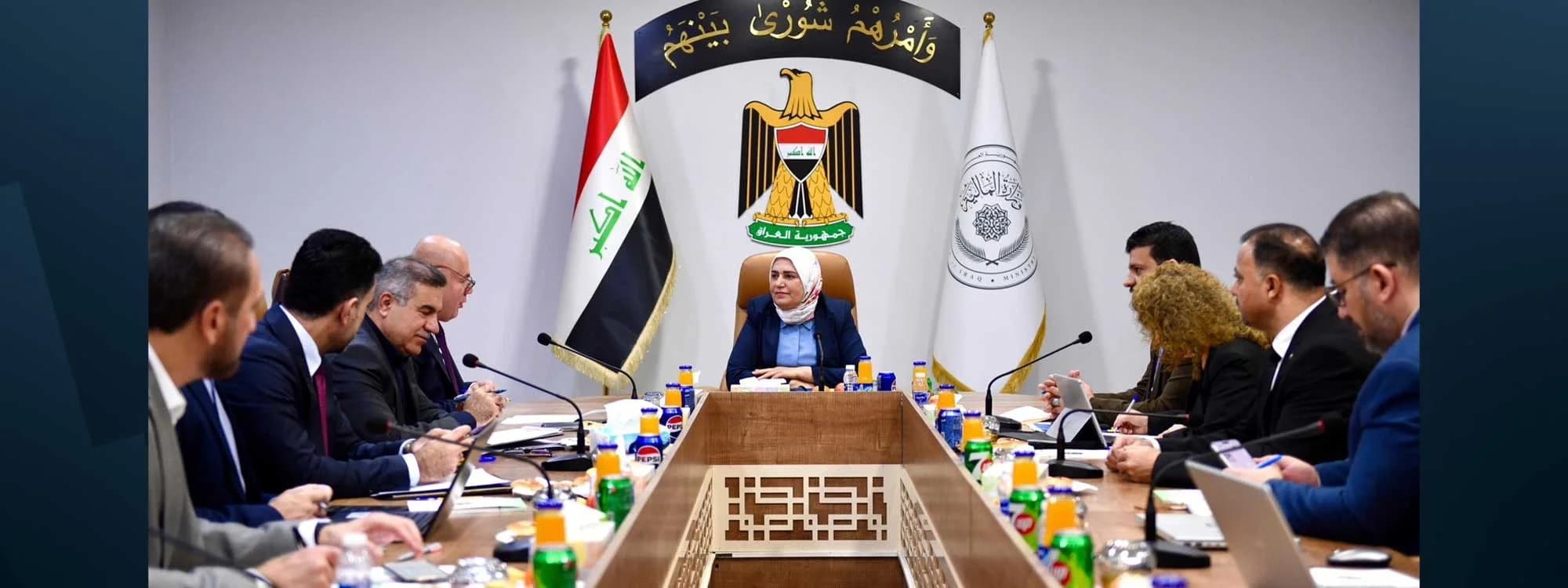
According to a statement from his office, Zaidi met with Oil Minister Basim Mohammed Khudair, senior officials and representatives of companies involved in the projects to review “the technical and economic details of the project and its long-term development impact, as well as the export routes and the quantities of oil expected to be exported through the two pipelines.”
The 685-kilometer Basra-Haditha-Fishkhabur pipeline is intended to provide an alternative route for transporting Iraqi crude toward the north, running from southern oil hubs in Basra through Haditha in Anbar province to Fishkhabur in the Kurdistan Region near the Turkish border, with plans to connect to Turkey's Ceyhan port.
“The Prime Minister directed that implementation of the project begin without delay and instructed the Ministry of Oil to provide the best possible conditions and requirements for the companies implementing the project, ensuring its completion in accordance with the highest standards,” the statement read.
During the meeting, Zaidi described the crude oil export pipeline project as of “strategic importance” to Iraq, noting that it would “diversify export routes and enhance the country’s export capacity.”
The Haditha-Baniyas project is a separate parallel strategic corridor planned to connect Iraq’s oil network to Syria’s Mediterranean coast.
The development comes as Iraq remains vulnerable to disruptions to its oil export routes amid the ongoing US-Iran tensions over the Strait of Hormuz, through which roughly 90 percent of Iraq's oil exports pass. The waterway has faced severe disruptions since the US and Israel launched a large-scale military campaign against Iran in late February.
Before the conflict, Iraq produced more than 4.5 million barrels per day. Exports fell to 18.6 million barrels in March, generating about $1.96 billion in revenue, compared with more than 99 million barrels and $6.8 billion in February.
However, Iraq’s average daily oil production has recovered to more than three million barrels, with exports exceeding two million barrels per day, the country’s oil ministry said on Monday.
“The average level of oil production in Iraq has reached more than three million barrels,” Salim al-Rukabi, spokesperson for the Iraqi Oil Ministry, told Rudaw.
Rukabi said exports through Iraq’s southern ports were averaging between two million and 2.2 million barrels per day, while exports through the Kurdistan Region to Turkey’s Ceyhan port stood at between 150,000 and 180,000 barrels per day.