
ERBIL, Kurdistan Region - Iraq's Iran-aligned armed group Kata’ib Sayyid al-Shuhada has set 10 conditions for cooperating with Baghdad’s efforts to regulate the weapons of armed factions, including the withdrawal of US and Turkish forces from Iraq and the expulsion of the Kurdistan Workers’ Party (PKK).
In a statement on Saturday, the group said its position was based on what it described as the need to protect Iraq’s sovereignty and national interests, while maintaining that its weapons were a response to security threats.
Kata’ib Sayyid al-Shuhada said its cooperation with any initiative to regulate weapons would depend on fulfilling 10 conditions.
The first condition calls for the “complete withdrawal of the American occupation from Iraq by land, sea, and air,” as well as an end to US military presence under any title. The group also demanded that Iraqi airspace not be used to launch attacks against other countries, particularly neighboring states.
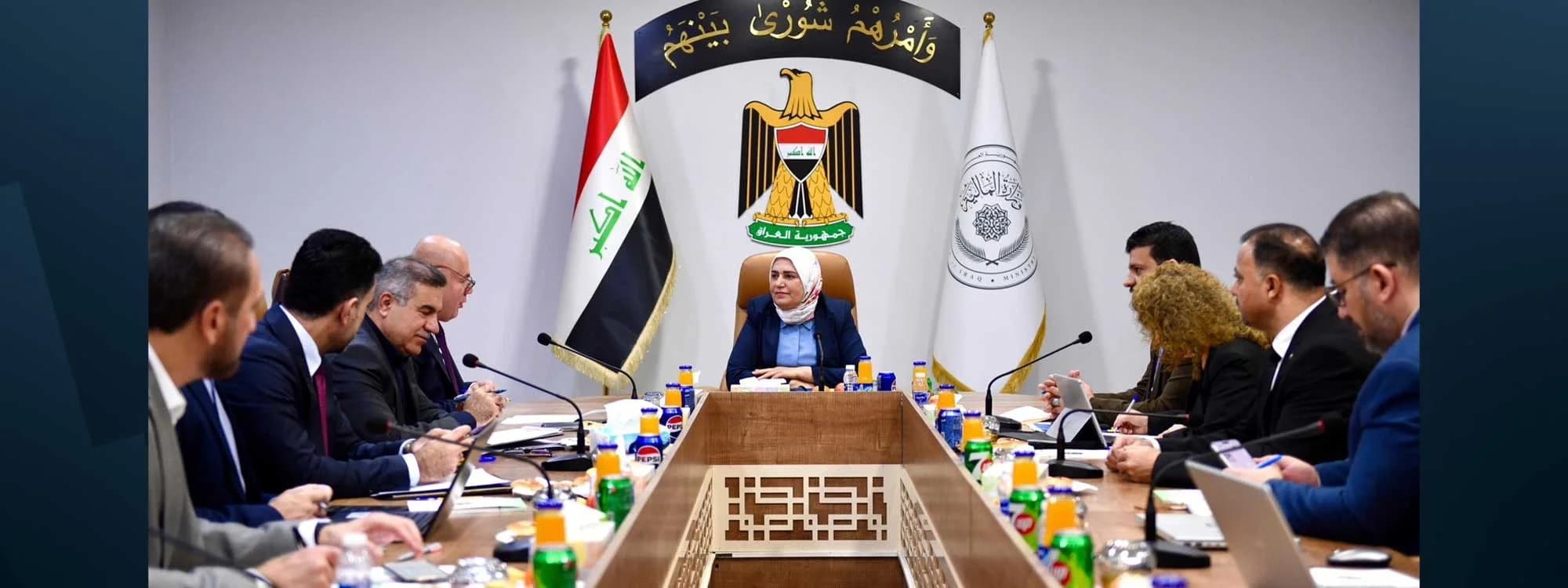
The statement comes as Baghdad faces mounting pressure to place all weapons under state control. Prime Minister Ali al-Zaidi’s government has set September 30 as the deadline for armed factions to disarm, making the move a key priority of his administration, with Washington also backing the effort.
“Carrying weapons to face dangers was not a luxury or a decision made without justification; rather, it was the product of circumstances and requirements imposed by realistic challenges,” Kata’ib Sayyid al-Shuhada said.
“However, they may return whenever necessity dictates, and there is no power in existence that can prevent it then,” it added.
The statement further called for the legal ratification of legislation governing the Popular Mobilization Forces (PMF), saying this should guarantee "the rights of its Mujahideen, martyrs, and wounded, preserves their dignity, organizes their work, and empowers them in terms of equipment and numbers."
The group also demanded that federal security forces exercise full sovereignty over all Iraqi territory and that Iraq strengthen its air defenses with systems operating exclusively under Iraqi authority.
Two of the conditions directly concern Turkey and the PKK. The group called for the “final expulsion” of PKK fighters from Iraq and demanded the withdrawal of Turkish troops stationed in the border areas of the Kurdistan Region.
It also called for the Iraqi Army to take control of the country’s borders in the Region and for the federal government to control and manage all border crossings.
Another condition demands the expulsion of Iranian Kurdish opposition groups from the Region, arguing that Iraqi territory should "not serve as a launching pad for ground attacks against neighboring countries."
The group also called for Iraq to free its financial and economic decision-making from what it described as “American hegemony” and to end US influence over political decision-making.
It demanded an end to what it called the “heresy” of the “Special Envoy of the American Occupation in Iraq” and accused the US Embassy of interfering in Iraq’s internal affairs.
The Iraqi government's September 30 deadline for the groups to disarm coincides with the scheduled full withdrawal of foreign troops operating under the US-led global coalition battling the Islamic State group.
On Thursday, Rudaw reported from informed sources that several Iran-aligned factions have resisted calls for full disarmament. Five groups, including Kata’ib Hezbollah, Kata’ib Sayyid al-Shuhada and Harakat al-Nujaba, have instead proposed freezing their weapons and military activities for two years while remaining intact as separate organizations.
The proposal was reportedly rejected by Washington as a “trick.”
The factions have repeatedly linked any decision on their weapons to the presence of foreign forces in Iraq. Baghdad’s September 30 deadline for disarmament coincides with the scheduled completion of the withdrawal of foreign forces operating under the US-led coalition against the Islamic State.
The issue has also heightened tensions between Baghdad and Erbil. The Kurdistan Region has repeatedly been targeted by rocket and drone attacks launched from disputed areas, with strikes hitting energy infrastructure, military facilities and residential areas.
Kurdish authorities have urged Baghdad to prevent Iraqi territory from being used as a base for attacks and to secure the region’s borders.
Kata’ib Sayyid al-Shuhada’s latest conditions also echo demands previously raised by Iran-aligned factions, including calls for the withdrawal of Turkish forces and changes to the security arrangements in the Region.
Erbil has rejected demands to disband the Peshmerga as part of Baghdad’s weapons campaign, stressing that the force is an official and constitutionally recognized security institution of the Kurdistan Region.