
ERBIL, Kurdistan Region - Water flowing into Iraq from Syria through the Euphrates river has increased to nearly 680 cubic meters per second, more than four times than that of last year, the Iraqi Ministry of Water Resources told Rudaw on Monday.
“Currently, 680 cubic meters of water per second is reaching Iraq from the Syrian border and the Haditha Dam in Anbar province,” Iraqi ministry of water resources spokesperson Khalid Shimal told Rudaw’s Gashaw Khalid on Monday.
Shimal added that about “500 cubic meters per second continues through the Euphrates River, while we are storing 180 cubic meters per second. This amount is four times that of the same period last year” at the Haditha Dam in Anbar province, in which only 151 cubic meters per second reached Iraq.
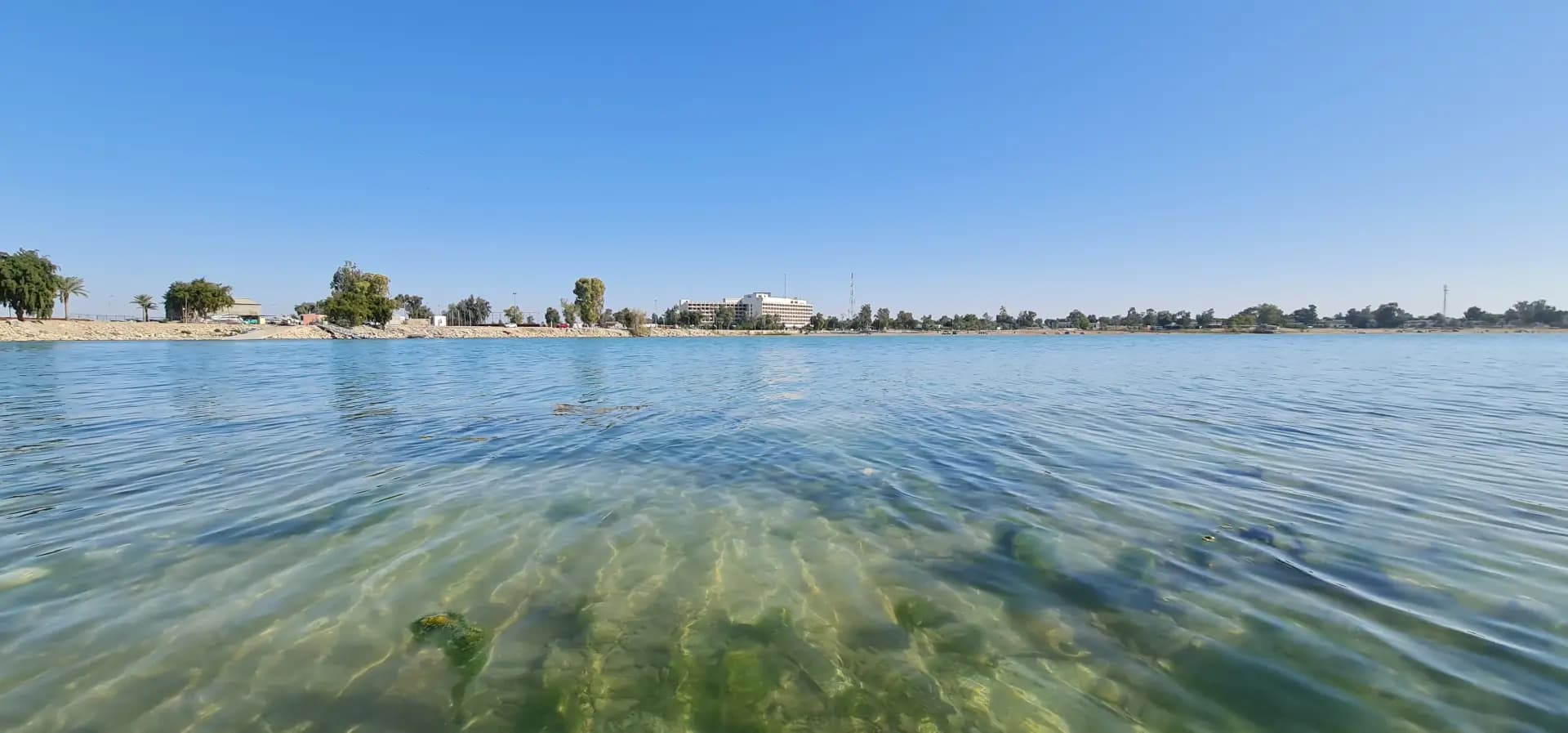
The Haditha Dam, the largest dam on the Euphrates River in Iraq and its second-largest hydroelectric power source, currently has a storage capacity of 4.8 billion cubic meters, with about 3.4 billion cubic meters still available before reaching full capacity, according to Shimal.
The increase comes as Iraq seeks to strengthen its water security after years of shortages driven by a decline in flows from the Tigris and Euphrates, which provide roughly 60 percent and 40 percent of Iraq's total consumed surface water supply, respectively, coupled with large upstream dams from Turkey that sharply reduce water flow into Iraq, affecting agriculture, drinking-water supply and local ecosystems.
Shimal attributed the higher Euphrates inflow to three factors: increased water availability in Turkey and Syria, Turkey’s water-management practices, and Syria’s management and storage system.
The ministry is also implementing a five-year summer plan to resume the cultivation of amber rice, a "strategic crop for Iraq” that had been suspended for five years, Shimal said. “More than 300,000 and 400,000 dunams of land have been planted with the rice," he said.
According to Shimal, the ministry is preparing five key measures to secure and manage sustainable water resources in central and southern provinces. These include developing a plan to strengthen storage capacity and maintain river levels, introducing a unified mechanism for distributing water among provinces, and strengthening the water-rationing system.
They also entail launching a national campaign to remove encroachments on water resources, reforming the management of water projects and institutions, and coordinating with ministries, parliament and civil society organizations to secure funding for water projects.
Shimal said the ministry is focusing on implementing closed irrigation projects and completing the Badra water project in Dhi Qar province, which will transport water via pipeline to Basra.
The ministry has also completed the Greater Samawah water project, between Baghdad and Basra, and plans to launch it soon to supply water to purification plants in Iraq's southern Muthanna province, he said.
“Through coordination with the Ministry of Agriculture and the Ministry of Environment, there is a vision and a strategic plan to confront the risks of water scarcity and environmental changes,” Shimal said.
In early August, the ministry said Iraq had adequate reserves in its major dams following heavy rainfall during the 2025-26 rainy season. At the time, Shimal said 428 cubic meters per second were flowing into Haditha Dam from the Euphrates, while 500 cubic meters per second were being released downstream.
Iraq and Turkey began implementing a nearly two-year water cooperation agreement in August, while Baghdad and Damascus signed a protocol in late June to cooperate on shared water resources and exchange technical information, particularly concerning the Euphrates.
The agreements come as Iraq seeks more predictable water flows from upstream countries and prepares for the longer-term effects of water scarcity and climate change.