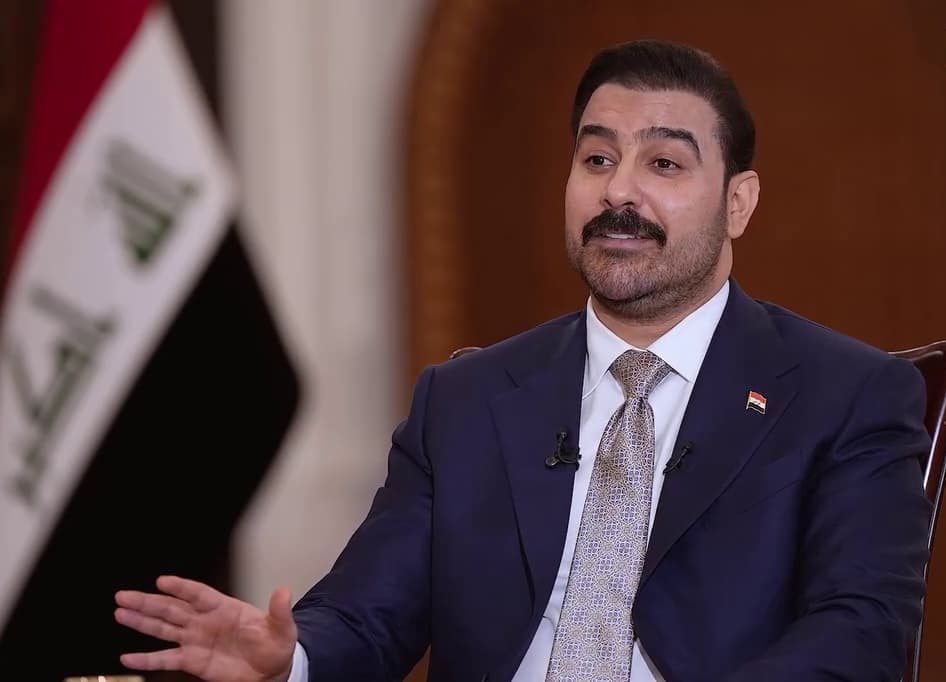

ERBIL, Kurdistan Region - Iraq's ruling Shiite Coordination Framework has adopted a “studied plan” to support Prime Minister Ali al-Zaidi's push to consolidate weapons under state control, the head of Iraq's Supreme Judicial Council (SJC), Faiq Zidan, said Monday. A senior alliance official told Rudaw that a Coordination Framework committee is in direct talks with Iran-aligned factions that have so far refused to disarm.
Zidan met with US Chargé d'Affaires in Iraq Steve Fagin, with the two discussing the judiciary's role in backing "the government's program to consolidate weapons under state authority, in accordance with a studied plan adopted by the Coordination Framework through a committee emanating from it," the SJC said in a statement.
The committee is “tasked with preparing and announcing the plan upon its completion and at the appropriate time, in a manner that fulfills Iraq's commitment to its positive relations with the international community and its adherence to constitutional and legal provisions,” the statement added.
In his inaugural address to parliament in mid-May, Prime Minister Zaidi pledged to pursue security reforms, including "confining weapons under state control." In June, he ordered the formation of a committee to oversee the disengagement of political parties and armed factions from the Popular Mobilization Forces (PMF).
Established in 2014 following a decree by Grand Ayatollah Ali al-Sistani, Iraq's highest Shia religious authority, the PMF began as an umbrella organization of roughly 70 predominantly Shia armed groups with 250,000 members formed to counter the Islamic State (ISIS) insurgency.
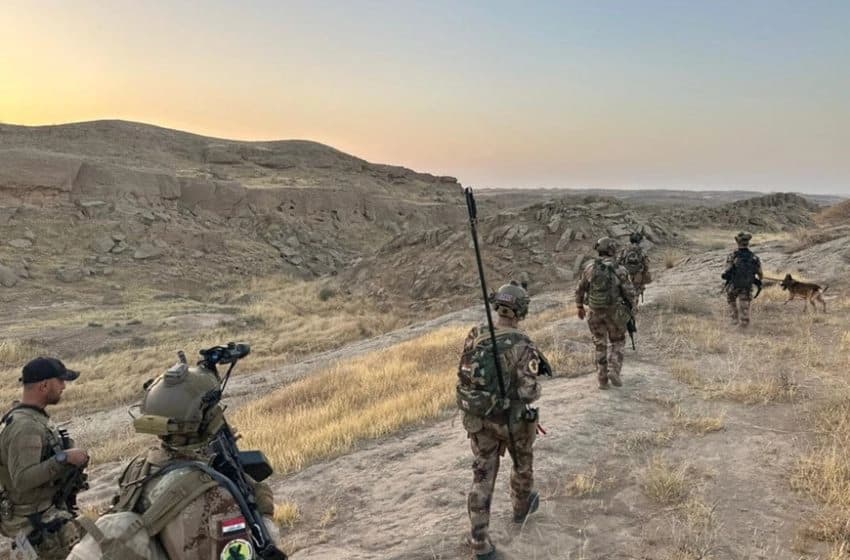
Though state-funded, the PMF comprises factions aligned with the Iran-led 'Axis of Resistance,' including Asa'ib Ahl al-Haq, Kata'ib Hezbollah, Harakat Hezbollah al-Nujaba, and Kata'ib Sayyid al-Shuhada. While some groups have expressed willingness to comply with Zaidi's push, others have cited the continued presence of foreign forces - including from the US-led Global Coalition to Defeat ISIS - as justification for refusing to do so.
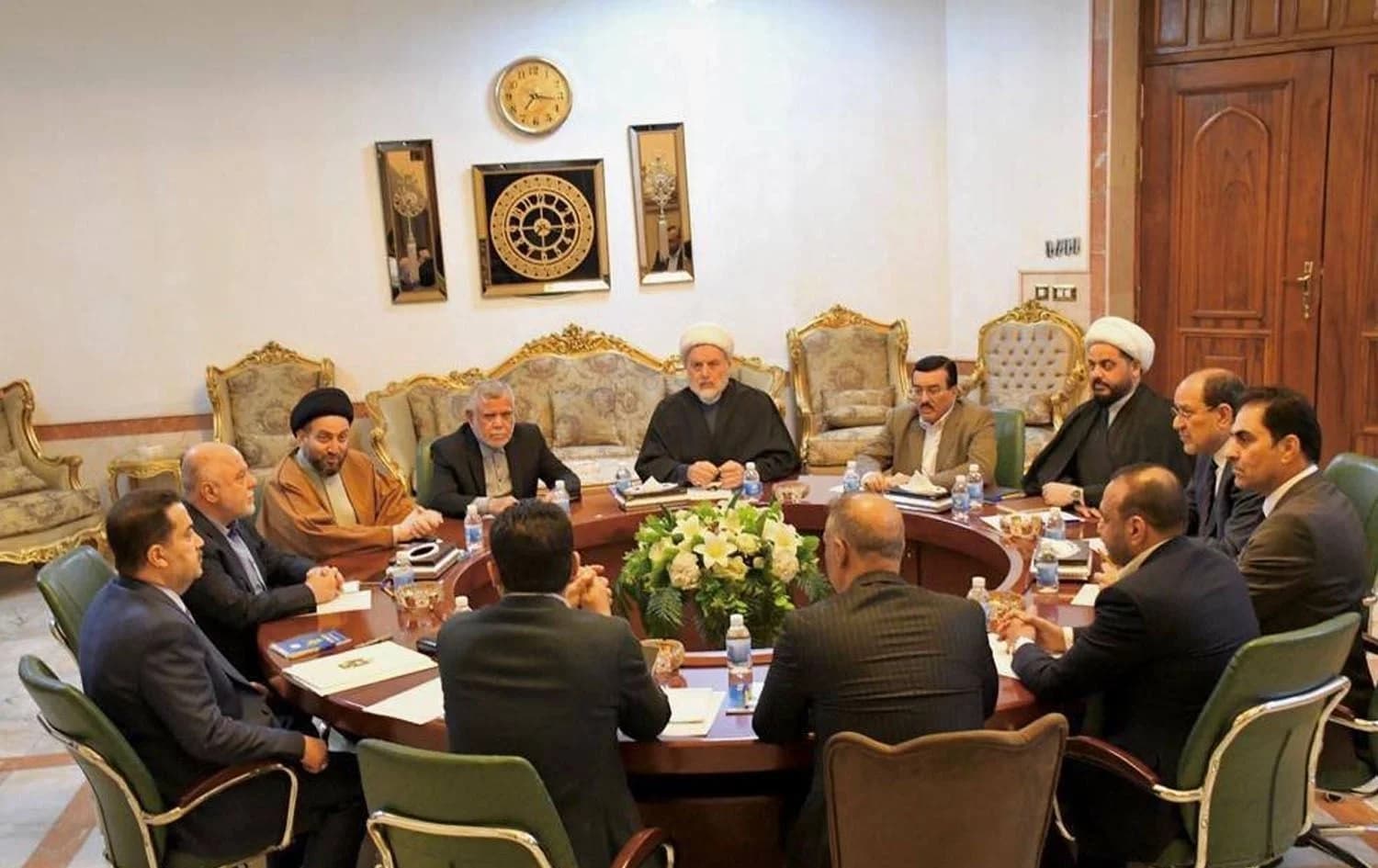
Aqeel al-Rudaini, spokesperson for the Victory Alliance - led by former prime minister Haider al-Abadi (2014 - 2018) and a senior member of the Coordination Framework - told Rudaw's Hasytar Qadir on Monday that “the Coordination Framework committee drafting the arms control plan is itself handling direct negotiations with the armed groups.”
He further noted that the committee includes former prime minister Nouri al-Maliki (2006 - 2014), who heads the State of Law Coalition; former premier Mohammed Shia' al-Sudani (2022 - 2026), who leads the Reconstruction and Development Coalition; and influential Shiite politician Hadi al-Ameri, head of the Badr Organization.
The committee's plan "will consider various proposals to implement the restriction of arms to the state," Rudaini said, adding that three armed factions - Harakat Hezbollah al-Nujaba, Kata'ib Hezbollah, and Kata'ib Sayyid al-Shuhada - "have refused to fully lay down their arms and are currently in negotiations with the Coordination Framework committee."
Discussions, he added, are focused on "transferring weapons from armed groups to the PMF to ensure that the decision of peace and war remains strictly in the hands of the Iraqi parliament and the commander-in-chief of the armed forces" - a role held by the prime minister.