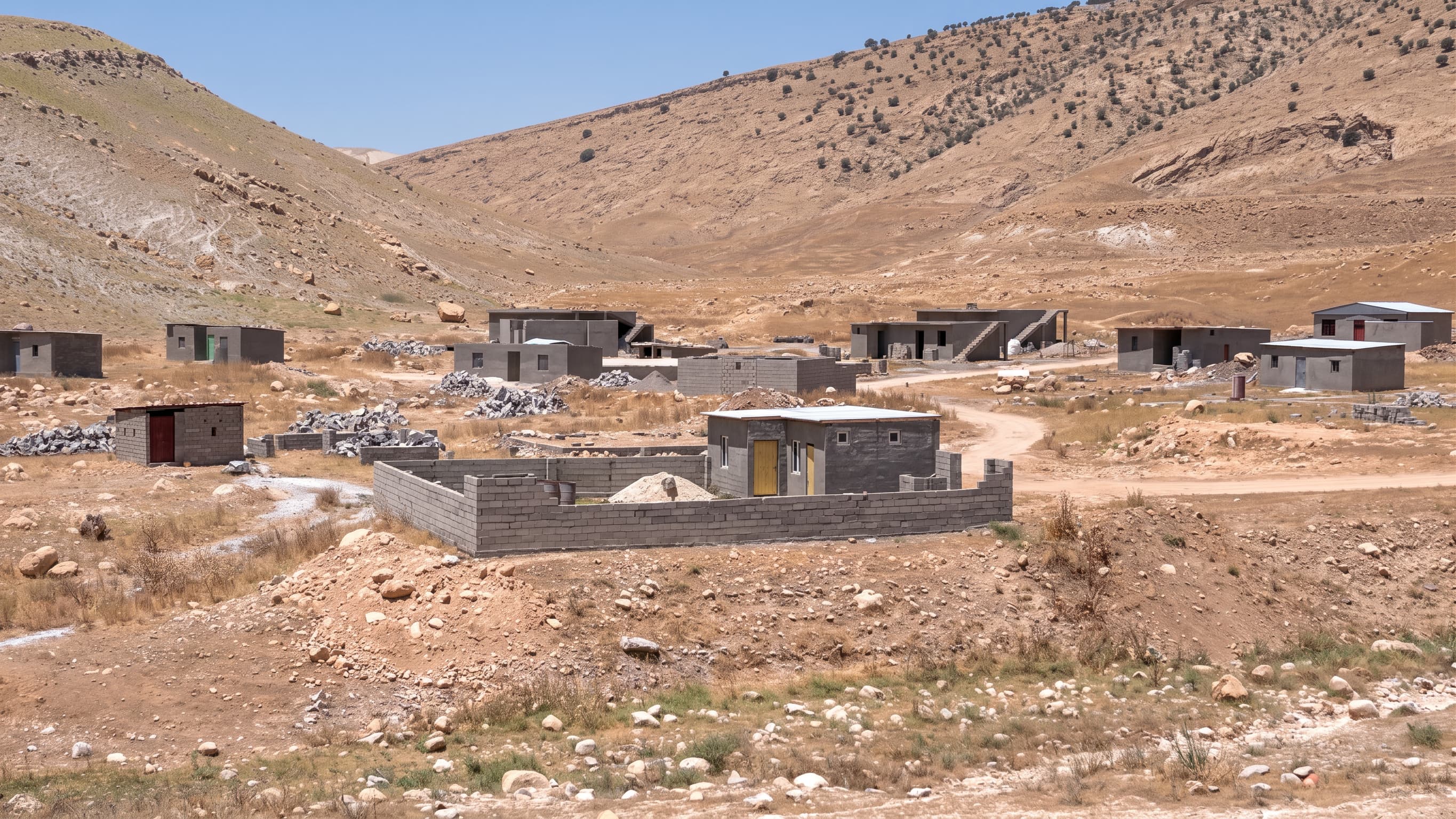

ERBIL, Kurdistan Region - A newly formed committee under the auspices of the Iraqi prime minister’s office will oversee efforts to rebuild the disputed district of Shingal (Sinjar) in northern Nineveh province and facilitate the return of thousands of people displaced by the Islamic State (ISIS) attack more than a decade ago, a lawmaker said.
The initiative comes amid an agreement between Baghdad and an all-Yazidi armed group to integrate its fighters into the federal security forces.
“The committee’s focus is on addressing the non-security challenges facing Sinjar, including the return of internally displaced persons, reconstruction, the restoration of essential services, and support for private-sector investment and economic development,” Murad Ismail, the head of the Yazidi Cause Alliance’s bloc in the Iraqi parliament, told Rudaw English.
According to Ismail, the committee will work jointly with relevant UN agencies to “mobilize international support and expertise.”
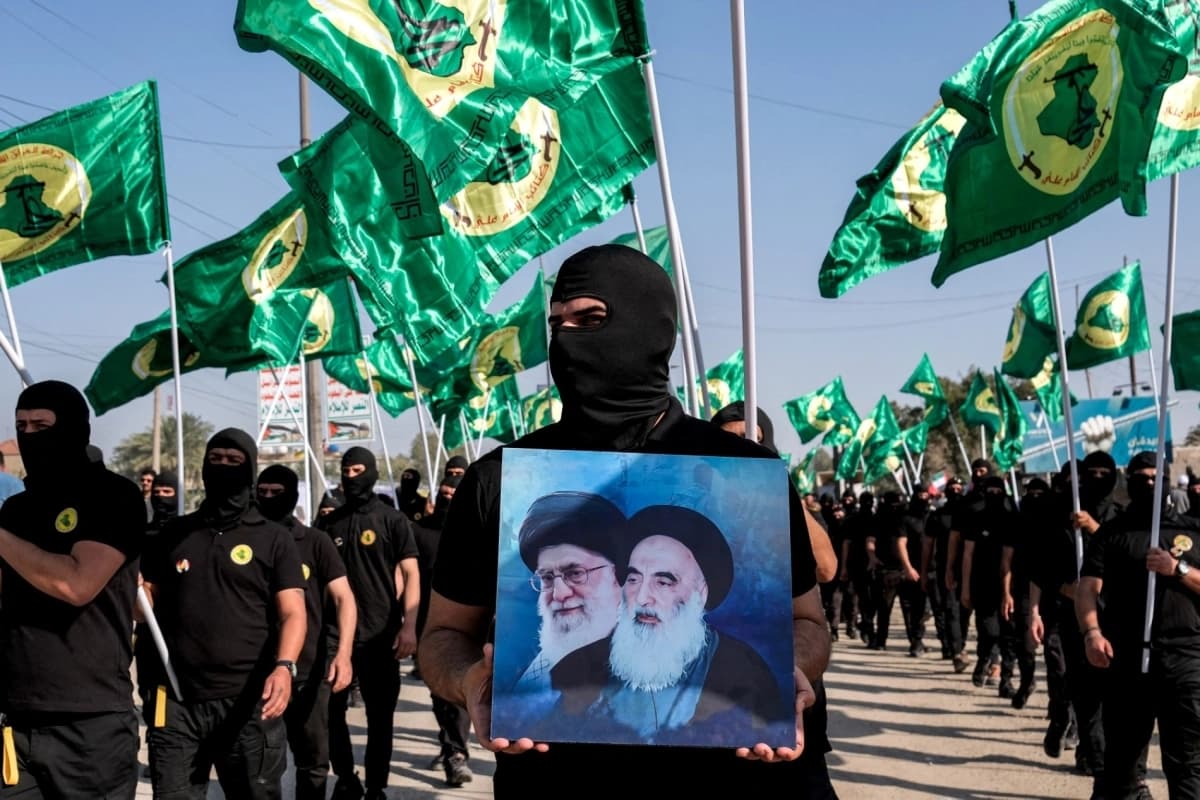
His remarks come after Iraqi Prime Minister Ali al-Zaidi announced last week that the Shingal Resistance Units (YBS) - an all-Yazidi armed group believed to be affiliated with the Kurdistan Workers’ Party (PKK) - had agreed to begin handing over its weapons to the state.
“Mount Sinjar will be under the full authority of the federal government and its security and administrative institutions,” Zaidi said in a statement following a meeting with the YBS leadership.
The YBS traces its roots to 2007, when it emerged as a local Yazidi armed group in Shingal. It expanded significantly after ISIS attacked the district in August 2014, killing and abducting thousands of Yazidis in a campaign recognized as genocide.
During the fight against ISIS, the YBS developed close ties with the PKK, whose fighters entered the area following the jihadists’ assault and helped establish a corridor through which thousands of Yazidis trapped on Mount Shingal were able to escape.
Meanwhile, Mohammed Kakayi, head of the security and defense committee at Nineveh’s provincial council, said the committee’s scope of work will also encompass the disarmament process.
“A committee will oversee the integration of Shingal forces, focusing on around 4,000 fighters. However, acceptance is not guaranteed for everyone, as a panel will conduct individual interviews to determine eligibility,” he said.
Kakayi added that it has yet to be decided whether the YBS fighters will be integrated into the federal police, army, or the state-funded Popular Mobilization Forces (PMF), although some have previously joined the latter.
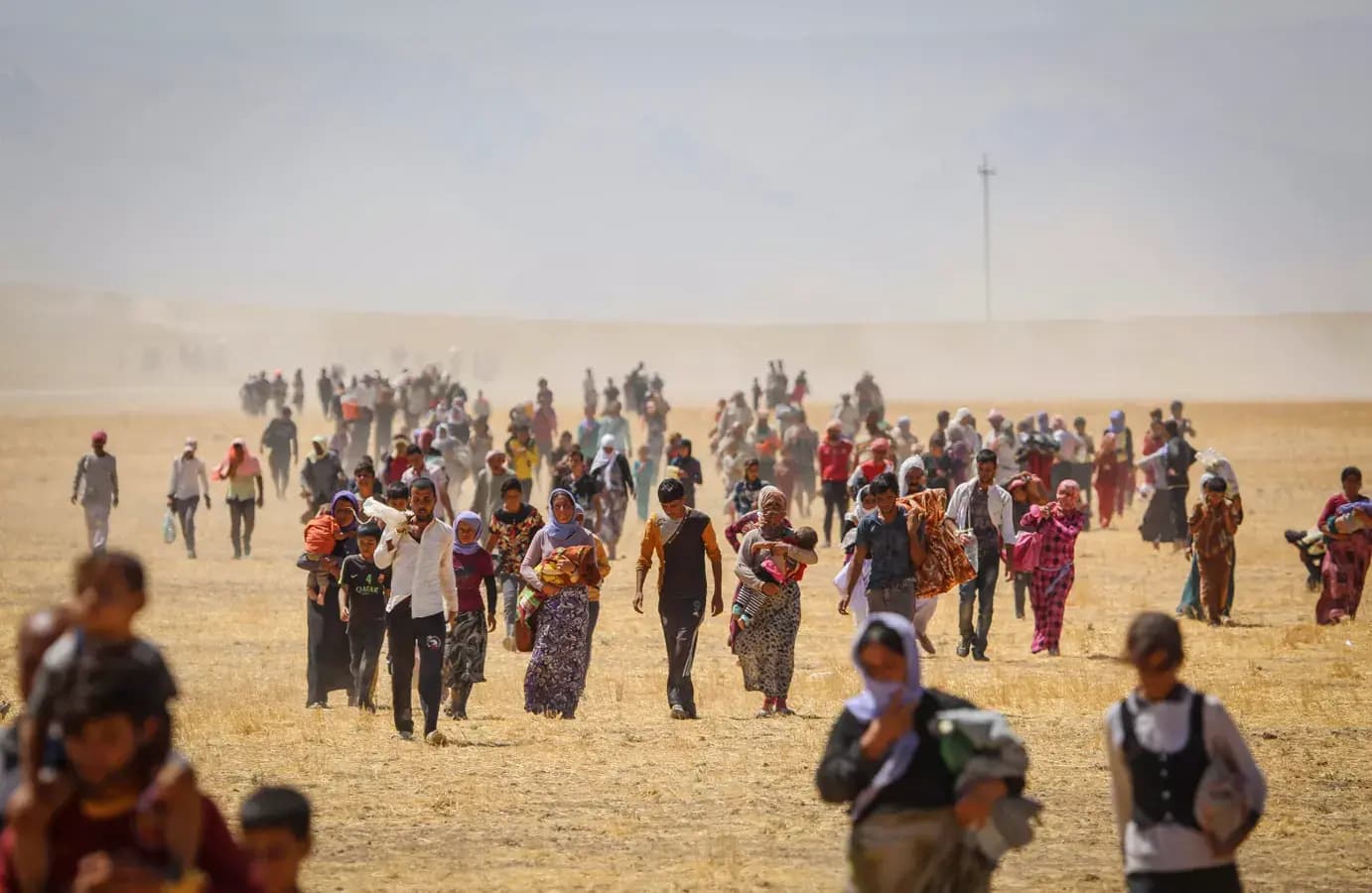
ISIS massacred at least 5,000 members of the Yazidi community in Shingal and abducted around 6,400 women and children, many of whom were subjected to sexual slavery and other forms of enslavement.
The atrocities forced around 400,000 Yazidis to flee toward the Kurdistan Region. Of them, 135,860 are still living in camps and another 189,337 are living elsewhere across the Region, according to the Office for Rescuing Kidnapped Yazidis at the Kurdistan Region Presidency.
The Yazidi heartland continues to suffer from a lack of basic public services, the presence of armed forces outside official state structures and stalled reconstruction, despite a 2020 agreement between Erbil and Baghdad aimed at restoring stability and normalizing the situation in Shingal.
Ismail expressed hope that the committee formed on Thursday would improve government services and expand international assistance, “with the ultimate goal of rebuilding Sinjar, supporting its community, enabling displaced families to return, and bringing an end to 12 years of suffering.”
.jpg&w=3840&q=75)