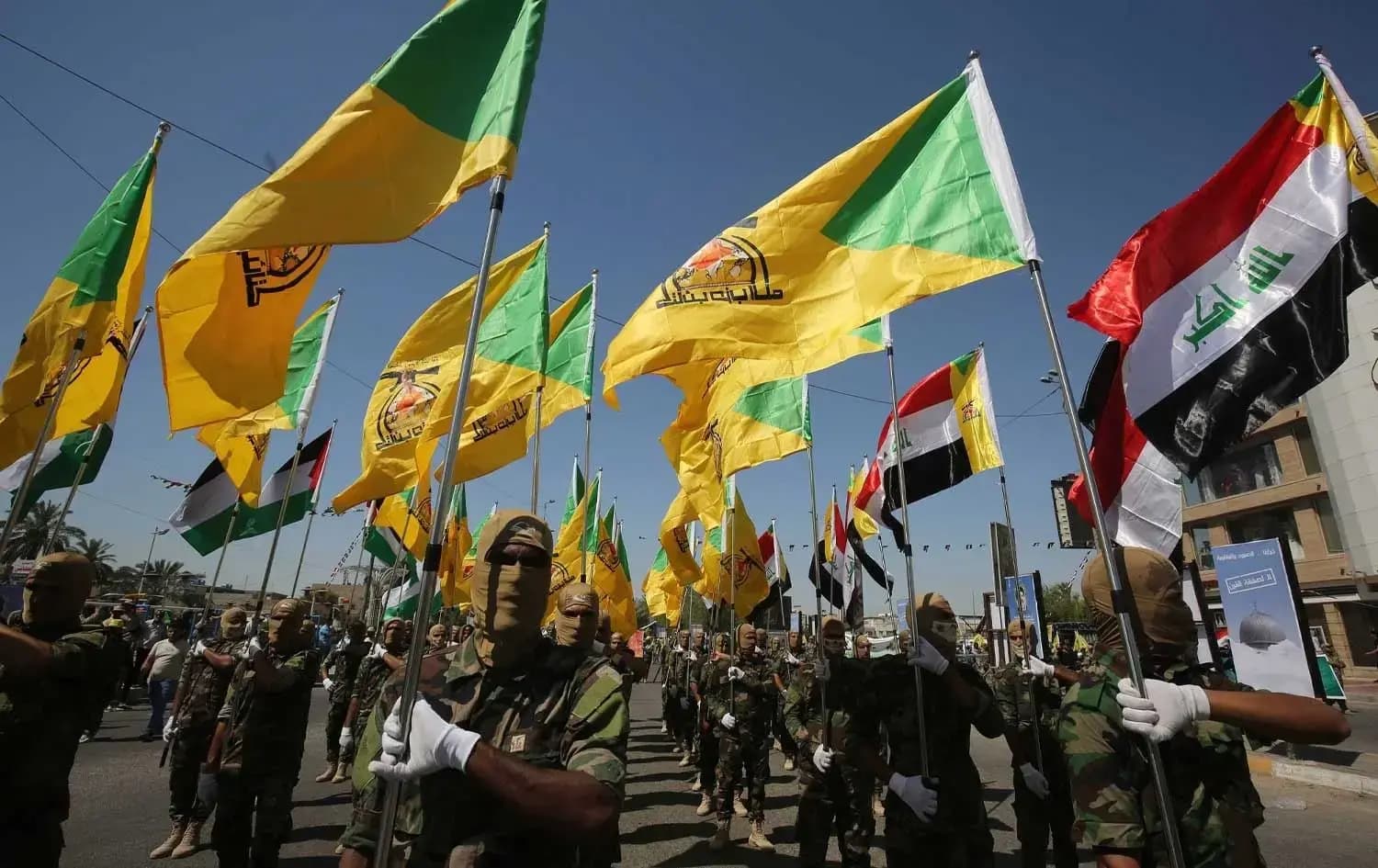
ERBIL, Kurdistan Region - Iraqi citizens in Baghdad are cautiously optimistic as the US-led global coalition is set to withdraw from Iraq on September 30, expressing a strong desire for national sovereignty and self-reliance while some harbor lingering doubts about the true extent of the departure. “Honestly, the best thing for us to do is to rely strictly on the Iraqi army and the police. We do not want intervention, be it foreign, Arab, or Persian; we only want Iraqi military actions, meaning the Iraqi government itself,” Jaafar Najm, a graduate in Baghdad, told Rudaw’s Ziyad Ismail on Tuesday. When asked if Iraq is capable of facing future challenges on its own, Najm was unequivocal: “Absolutely capable. We have plenty of forces, such as counter-terrorism units, the army, the police, and the Popular Mobilization Forces.” “The liberation of Iraq and safeguarding its sovereignty is a source of joy for every Iraqi, from north to south,” another local, Adnan Assi, told Rudaw, expressing hope for stability and unity among the nation's diverse communities to rebuild the country. Iraq experienced years of instability after 2003 due to attacks from al-Qaeda, which then merged into the Islamic State of Iraq in 2006. The instability culminated in the Islamic State’s (ISIS) takeover of Iraq’s second-largest city of Mosul and much of western and northern Iraq in 2014 before its territorial defeat in 2017. A US-led global coalition against ISIS intervened in 2014 with airstrikes, troops on the ground, and training and advising Iraqi and Kurdish forces. These forces are now set to withdraw from Iraq on September 30 following the end of a security agreement. Prior to the rise of ISIS, the US had withdrawn from Iraq in 2011. Prominent leaders in the country have said they fear a repeat of that scenario. The Kurdistan Democratic Party leader President Masoud Barzani in an interview with Iraqi channel al-Sharqiya late Sunday said there are no guarantees against the resurgence of ISIS in light of the US-led coalition’s withdrawal. Barzani has over the years said that he had warned then Iraqi Prime Minister Nouri al-Maliki of the dangers of militant groups up to days before the fall of Mosul. Others, like Raed Hussein, a painter in Baghdad, question whether the withdrawal would be total. “In reality, they are still present on the ground in the country. The proof is that we have the largest embassy in the world right here in Iraq,” Hussein said, calling on Zaidi to clarify the diplomatic compound's status. Meanwhile, Numan al-Issawi, a retiree in Baghdad, said that others occupying Iraqi territory must leave too. “Turkey has been in northern Iraq for decades, since the days of Saddam Hussein. They must get out as well, not just one specific country,” said Issawi. Iran-backed armed factions have repeatedly mentioned the withdrawal of Turkish troops as a prerequisite for their disarmament, a goal Iraqi Prime Minister Ali al-Zaidi stated to achieve after the withdrawal of the US-led Global Coalition forces on September 30. Zaidi and Turkish President Recep Tayyip Erdogan reaffirmed their commitment to withdrawing Turkish troops from the Bashiqa-Zilkan base in northeast Mosul, established in 2015, and ending the presence of all unauthorized foreign armed groups, according to a joint statement issued last week. RELATED: Kurdish leader warns against Islamic State resurgence amid US withdrawal
Iraq29-09-2026Kata’ib Hezbollah threatens to shoot down ‘hostile’ aircraft after US-led Coalition withdrawal
Iraq28-09-2026US, coalition forces begin Erbil withdrawal as Iraq prepares to mark ‘sovereignty’: Government Spox
Iraq28-09-2026Iraq finishes initial probe into transferred Islamic State detainees, Yazidi statements secured: Official