
ERBIL, Kurdistan Region - Iraq’s National Security Service on Thursday clarified that its chief had not accused a Kurdish party of involvement in the recent attack on the Khor Mor gas field, as Parliament Speaker Haibat al-Halbousi called the strike “treason” and demanded military trials for commanders responsible for securing the area from which the drone was allegedly launched.
The agency's spokesperson, Arshad al-Hakim, said in a statement carried by the state-run Iraqi News Agency (INA) that comments by National Security Service chief Basim al-Badri about possible Kurdish involvement were "hypothetical examples," rather than accusations based on the findings of an investigation.
“The reference to the possibility of involvement by a Kurdish party or an external party was made in the context of presenting hypothetical examples,” Hakim said, adding that the remarks were intended to demonstrate why media reports alone could not establish responsibility for the attack.
The clarification follows controversy over Badri's remarks at London's Chatham House on Wednesday, where he raised the possibility of Kurdish involvement in the attack while discussing political tensions between the Kurdistan Democratic Party (KDP) and the Patriotic Union of Kurdistan (PUK).
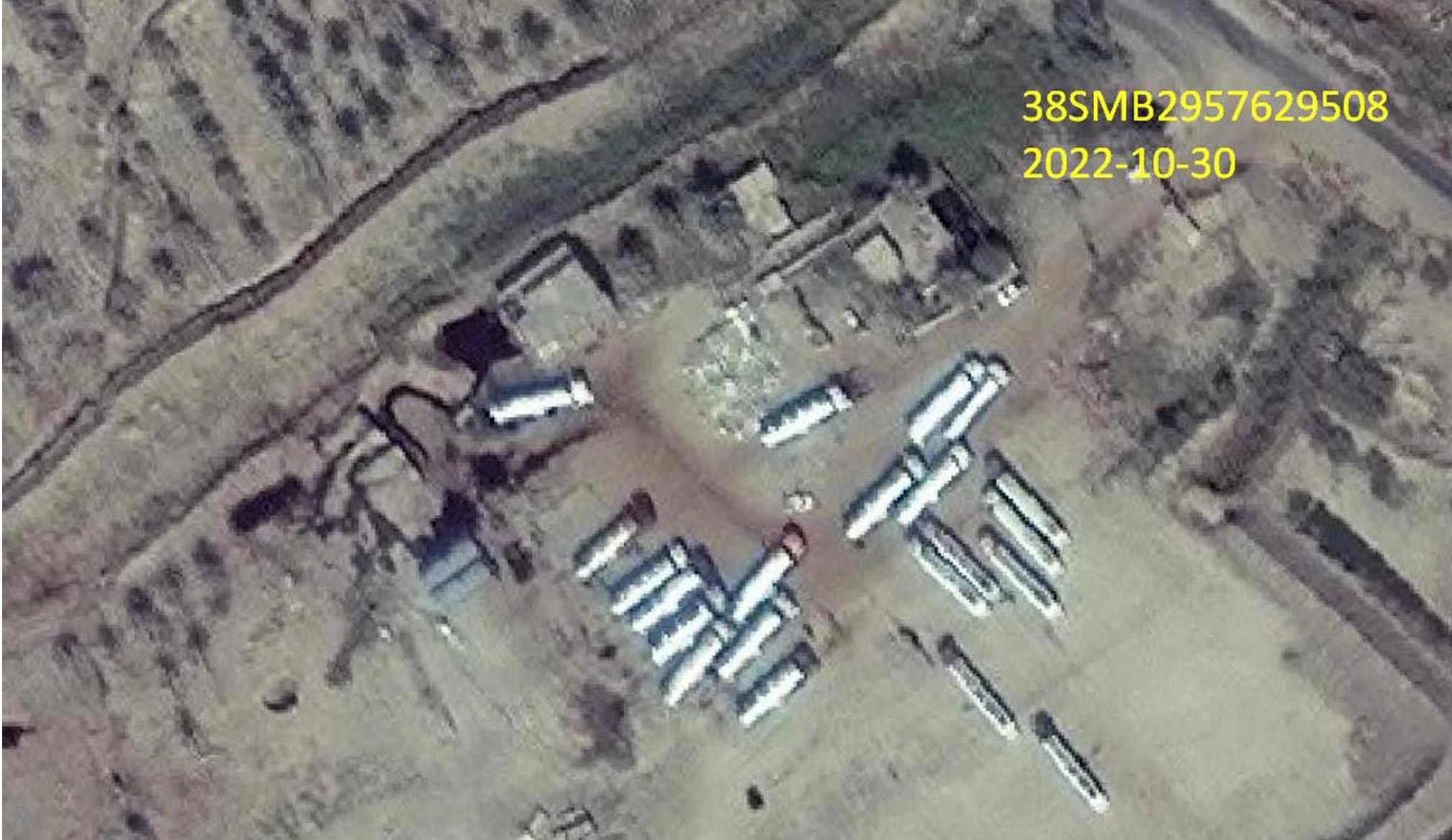
The last Sunday strike forced the shutdown of Khor Mor, a major gas field in Sulaimani province that supplies several power plants across the Kurdistan Region, causing widespread electricity shortages. Iraqi authorities have launched an investigation into the attack, but have yet to publicly identify those responsible.
During Wednesday's discussion, Badri said the government had information about the nature and trajectory of the attack but would leave the determination of responsibility to investigators.
“Perhaps a Kurdish party carried out these attacks - we cannot say it was an [Iraqi] faction or a specific entity - and perhaps it was an external party,” Badri said.
Badri’s comments came as Iraq’s Speaker of the Parliament, Haibat al-Halbousi, suggested in a meeting with lawmakers on Wednesday that the drone was launched from Tuz Khurmatu, a disputed town in Salahadin governorate that is under the control of Iraqi security forces, including the Iran-backed factions of the Popular Mobilization Forces (PMF). Kurdish security doesn’t have a presence in the town since their ouster in October 2017 by Iraqi forces.
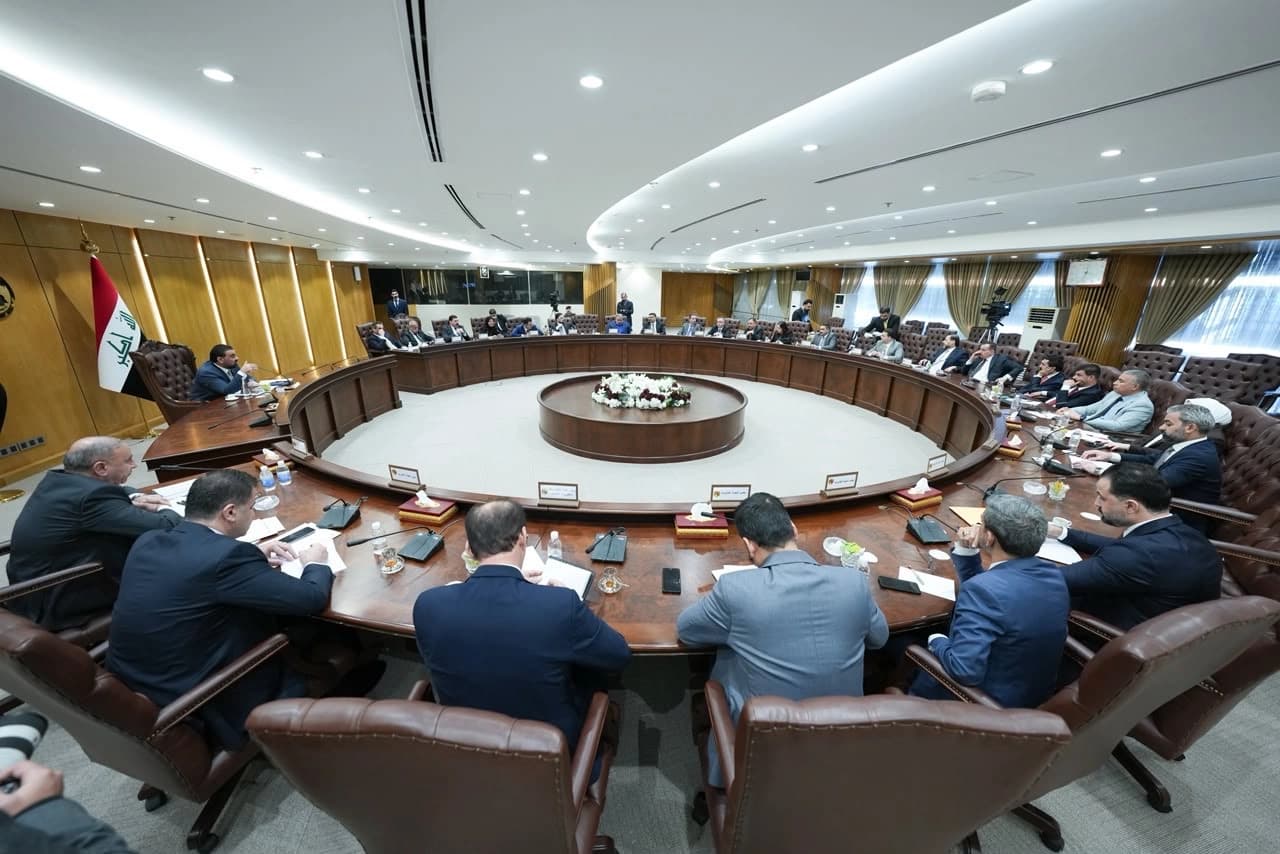
“You have the coordinates and details concerning Tuz Khurmatu. How is it that the state can't secure these areas? This is not right,” Halbousi said during a meeting with parliamentary committee heads, according to remarks aired by Al Arabiya Al Hadath Iraq.
He criticized the country's security establishment for failing to prevent the attack.
“Brigade, division and squad commanders posted to that sector from where drones are launched need to be referred to military courts. This is treason to the state, the country,” he said.
Halbousi demanded that the commanders be prosecuted and punished to deter similar security failures.
He also criticized the practice of launching investigations without holding those responsible for security failures accountable, calling on Prime Minister Ali al-Zaidi, as commander-in-chief of the armed forces, to take action against officials responsible for areas used to launch attacks on government facilities.
“I want them by name. Name them,” Halbousi said, demanding the identification of those responsible for negligence.
The parliament speaker subsequently ordered the formation of a temporary parliamentary committee, headed by the chair of the Security and Defense Committee, to examine intelligence reports concerning the Khor Mor attack and alleged oil smuggling in Iraq.
The parliamentary committee is separate from the investigation ordered by Zaidi into the Sunday strike.
No group has claimed responsibility for the attack, and its precise launch location has not been officially established in publicly released investigative findings.
The shutdown has dealt a significant blow to the Kurdistan Region's electricity supply, with the KRG saying on Thursday that emergency measures had restored around 1,500 megawatts of generation capacity, although residents were still receiving only six to eight hours of public electricity daily in many areas.