
ERBIL, Kurdistan Region - Baghdad is intensifying efforts to upgrade its air defenses to protect the country’s airspace and expand security cooperation with Erbil to prevent the resurgence of terrorism in disputed areas, spokesperson for the Iraqi Commander-in-Chief told Rudaw.
“There is no longer any gap between the borders of the central government and the Kurdistan Region,” Spokesperson for the Commander-in-Chief of the Iraqi Armed Forces Sabah al-Numan told Rudaw’s Arez Khalid on Tuesday, stating that “advanced air defense systems, precise medium- and long-range radars, as well as anti-missile and anti-drone missile systems will arrive in Iraq.”
The Iraqi government’s decision to end the US-led Global Coalition against the Islamic State (ISIS) on September 30 was based on “accurate information and a complete vision regarding the readiness of the Iraqi armed forces, future challenges, and expected risks,” and “Iraqi security forces are at the highest level of readiness and are fully prepared to protect Iraq’s sovereignty” Numan stated.
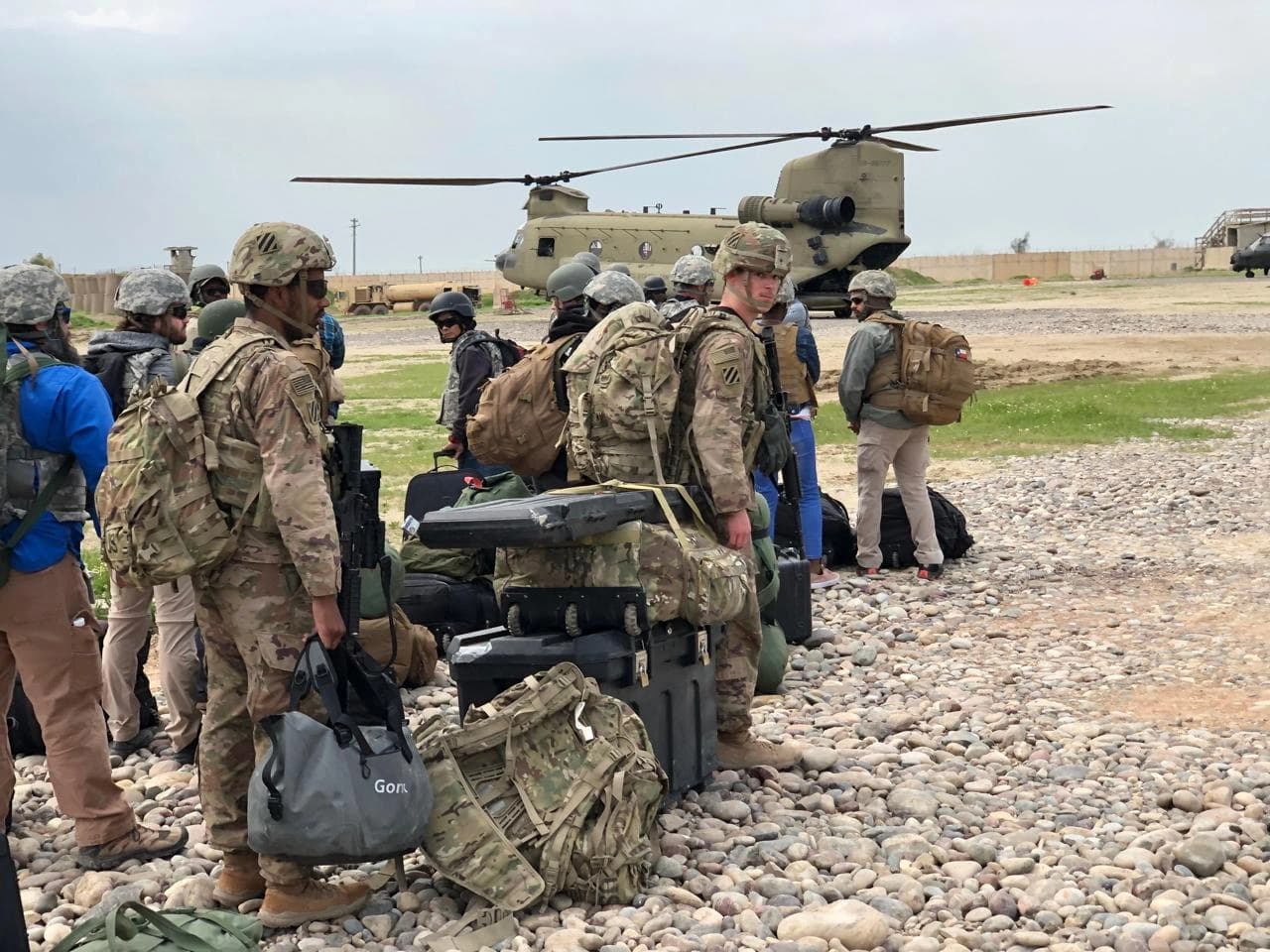
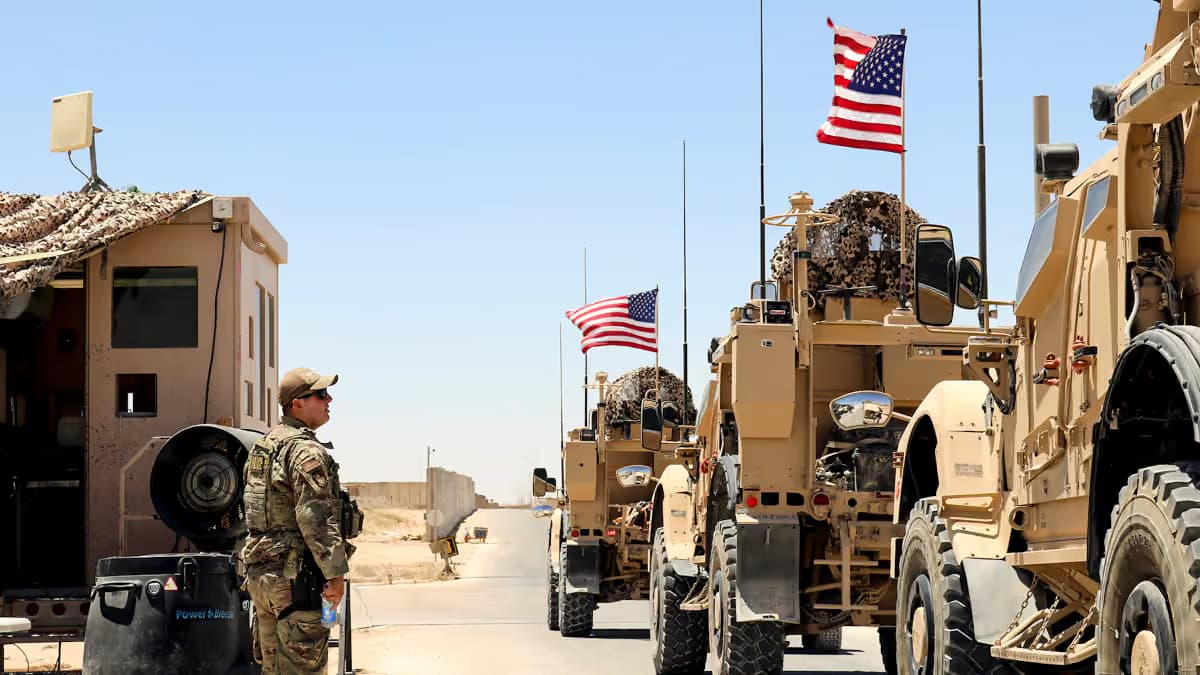
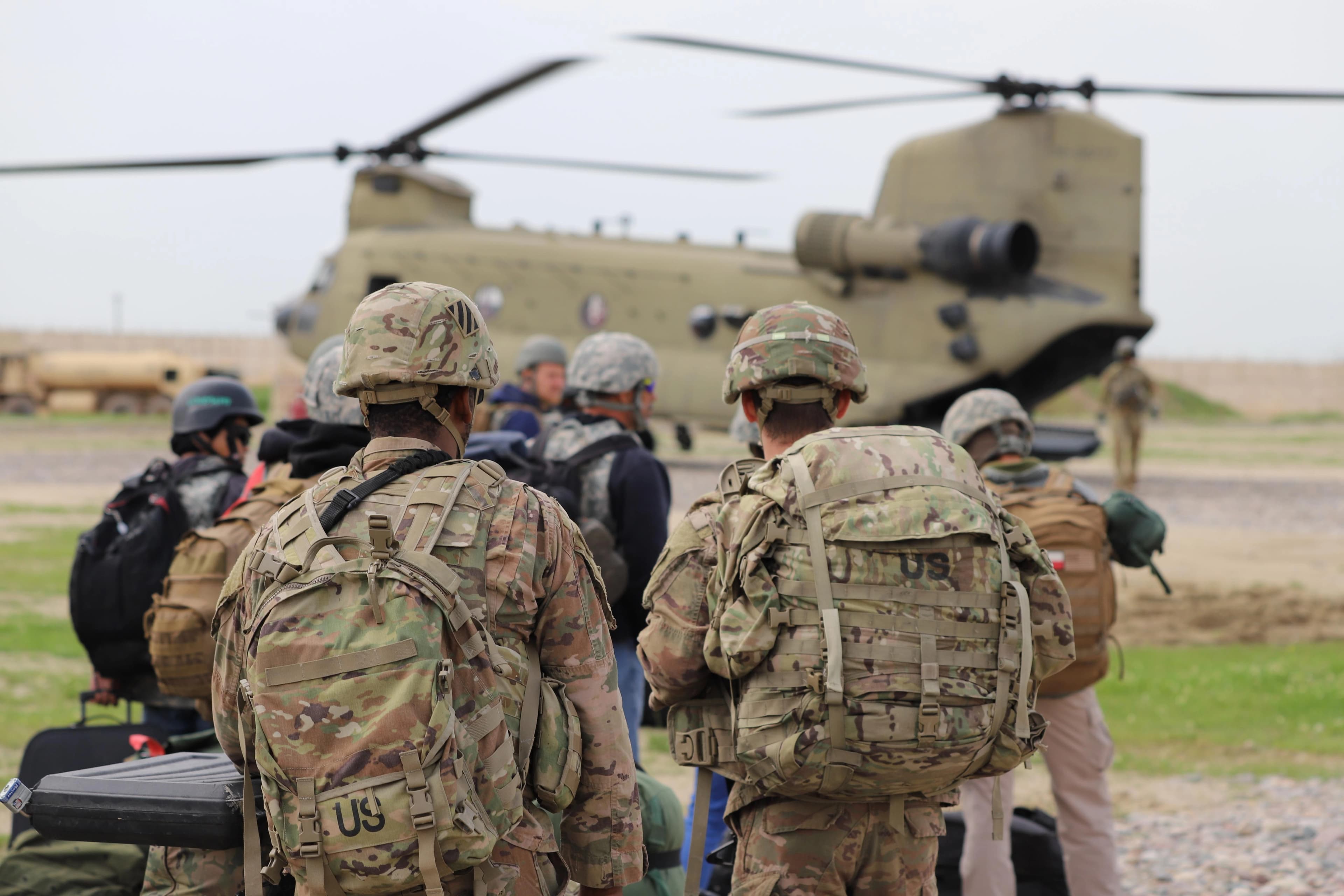
His statement comes as the Pentagon officially concluded the US-led mission in Iraq on Wednesday after 12 years of cooperation with Iraqi and Kurdish forces to defeat ISIS on the ground under Operation Inherent Resolve.
Numan addressed two major post-departure concerns, namely if Iraq is able to establish full control over its airspace and whether it can prevent ISIS from regrouping, affirming Baghdad’s capability to ensure both.
“We are working to bolster the air force and air defense with advanced systems,” he noted, citing contracts with the US, South Korea, and Turkey for the purchase.
The Iraqi government announced an agreement in 2024 with Seoul for the procurement of air defense systems, with the delivery of the first batch scheduled for January of this year.
However, Iraq has not confirmed their arrival and deployment yet.
Kurdish officials have raised concerns about removing air defense systems stationed in the Kurdistan Region. The Region has been struck with more than 1,000 drones and missiles since late February, when the US and Israel launched a military campaign against Iran. Tehran and its aligned groups have claimed responsibility for the attacks.
“High-level investigations are underway, and there is an understanding between the federal government and the Kurdistan Region to identify the sources and entities involved,” Numan stated, promising to hold the parties behind the strikes accountable.
Furthermore, Numan said Iraq is capable of preventing the resurgence of ISIS, pointing to security arrangements with Erbil and the formation of “two joint brigades” within “a unified security force framework.”
“Today, they are responsible for those areas, have sealed all gaps, and leave no opportunity for terrorists to operate,” he noted.
Iraqi and their affiliated forces advanced to areas captured by Kurdish Peshmerga in October 2017, capturing the areas the Kurdish forces seized during the war with ISIS in Nineveh, Kirkuk, Diyala and Salahadin provinces.
A buffer zone stretching across parts of the above-mentioned provinces emerged as neither of them were patrolling the areas.
In August 2021, the Ministry of Peshmerga and the Iraqi Army agreed to form two joint brigades to be deployed into areas with security vacuums. Implementation of the decision, however, was delayed because of turmoil following the 2021 election and lack of funding.
The federal government officially allocated funds for the joint brigades in the 2023 budget, and the two brigades were deployed in early 2024.