
ERBIL, Kurdistan Region - Iraqi Prime Minister Ali al-Zaidi on Thursday set June 30, 2027, as the deadline for bringing weapons outside state control under government authority, a day after powerful Iran-backed factions said they were not bound by any disarmament agreement or timetable.
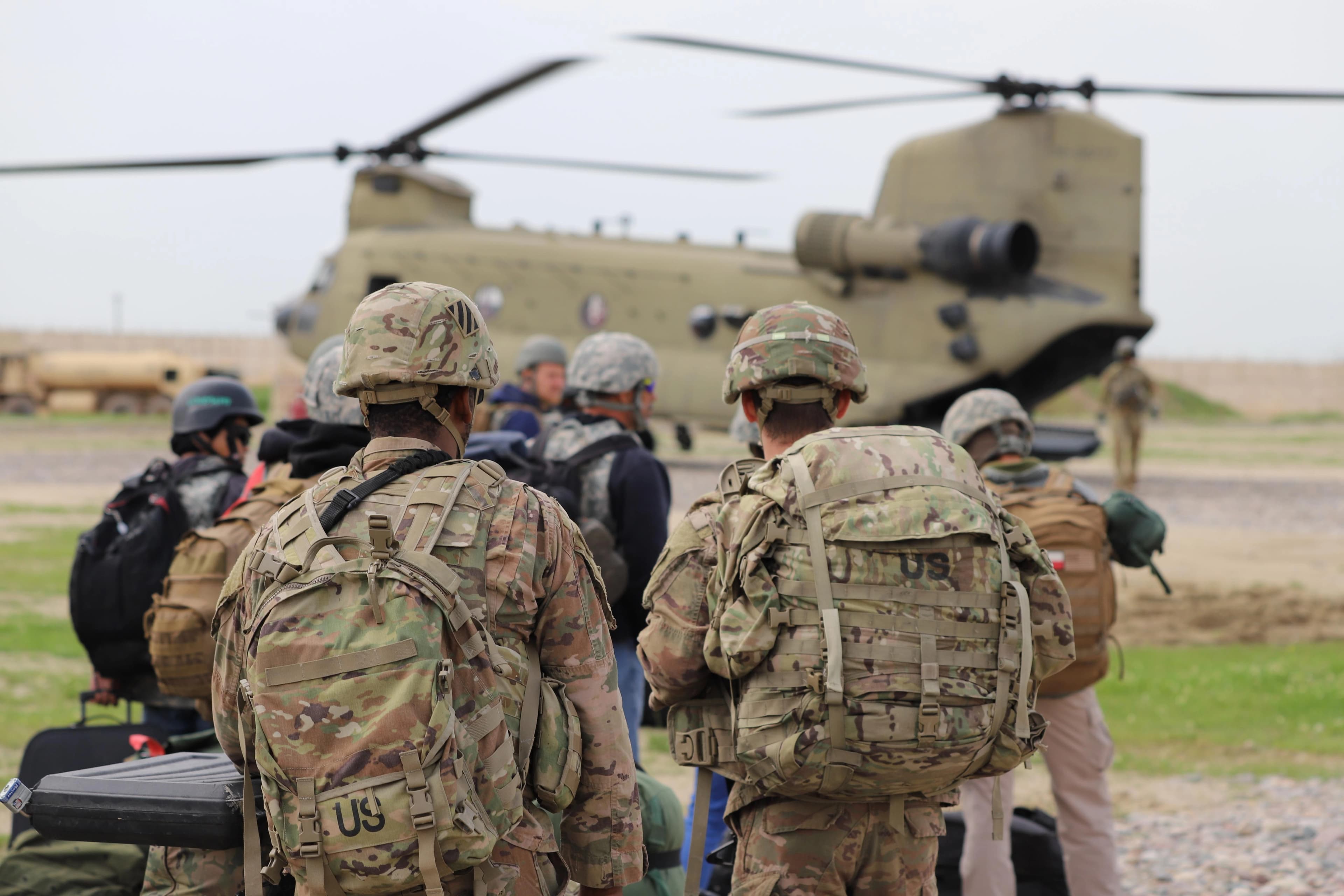
Zaidi said October 1 marked a “serious beginning” for addressing weapons outside state control following the end of the US-led coalition’s military mission in Iraq a day earlier.
“This process will follow a clear roadmap and agreed-upon timelines - concluding no later than June 30, 2027 - in accordance with the constitutional principle that entrusts decisions regarding war and peace solely to constitutional authorities and prohibits any military action contrary to this,” Zaidi said.
The June deadline replaces an earlier September 30 target for bringing armed factions under state control and comes after weeks of negotiations with Iran-backed groups, several of which have resisted disarmament or attached conditions to any agreement. Kataib Hezbollah, Harakat al-Nujaba and Kataib Sayyid al-Shuhada have been among the main holdouts.
Zaidi separately pledged that his government would fully disarm “all non-Iraqi armed groups present on Iraqi soil,” saying the measure was aimed at preserving security, stability and control of Iraq’s borders.
The Iraqi premier did not specify which groups he was referring to. Iraq hosts several non-Iraqi armed organizations, including Iranian Kurdish opposition groups in the Kurdistan Region, which have already been subject to restrictions and relocation measures under a security agreement between Baghdad and Tehran.
“The Iraqi government reaffirms its constitutional commitment to preventing Iraqi territory and airspace from being used as a launchpad or corridor for any act that threatens the security of neighboring countries,” Zaidi said.
He also rejected the use of neighboring countries’ territory or airspace to attack Iraq and called for mutual respect for sovereignty and non-interference.
The government’s effort to bring weapons under state authority has focused heavily on powerful Iran-backed Iraqi factions. Several had conditioned any agreement on demands including the withdrawal of foreign forces, the removal of Iranian opposition groups from Iraqi territory and changes involving the Kurdish Peshmerga.
US Secretary of State Marco Rubio last week accused Kataib Hezbollah of involvement in the drone attack that shut Saudi Arabia’s East-West oil pipeline, saying the group had “fired into Saudi Arabia.” Kataib Hezbollah and the Islamic Resistance in Iraq denied responsibility for the attack.
Zaidi had outlined the June 2027 timeline before Thursday, telling the New York Times in September that the government envisaged a phased process culminating in weapons coming under state control by June 30.
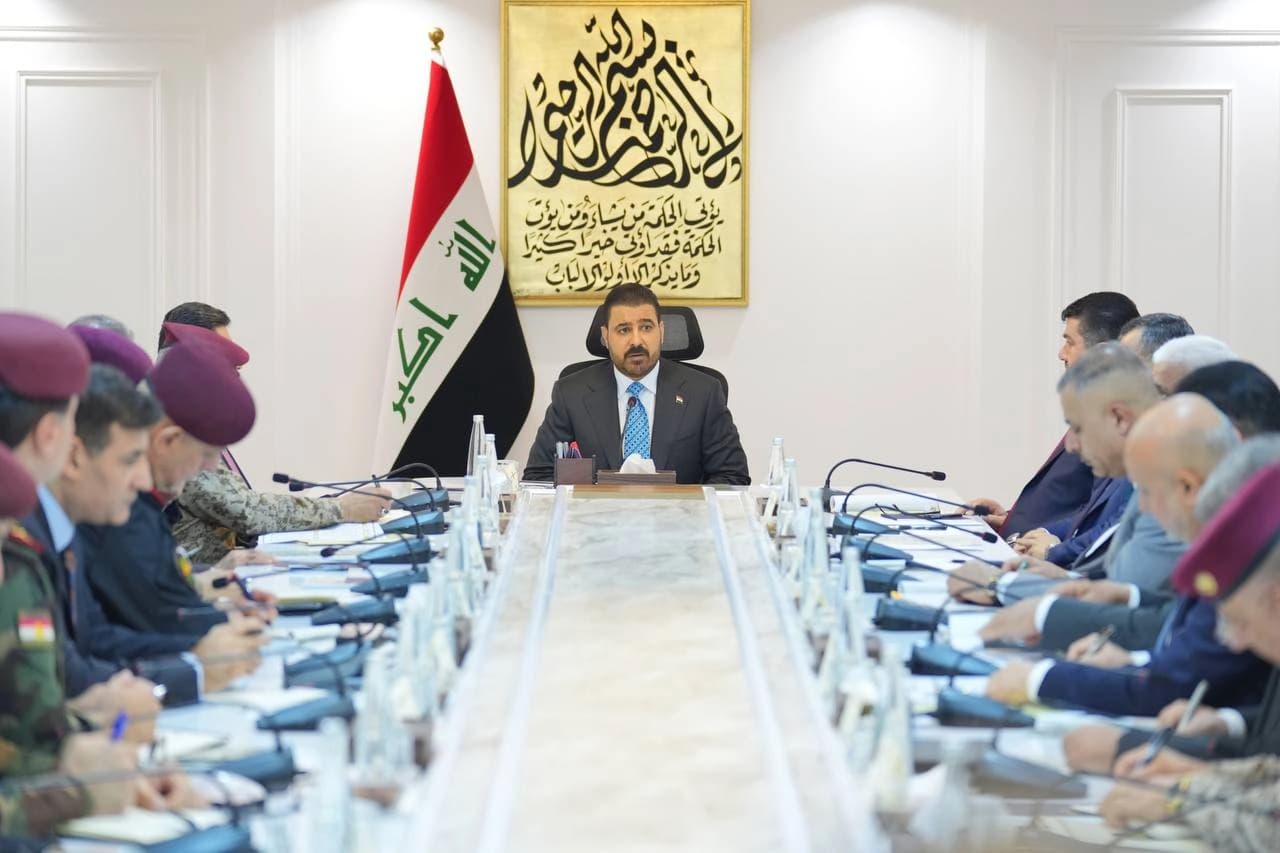
The government’s Security Media Commission on Thursday reiterated that armed activity outside state authority would not be permitted.
“The coming period will see the remaining factions join the process of regulating weapons and restricting their possession to the state,” commission head Saad Maan told the Iraqi News Agency (INA). “Carrying weapons outside the state's purview is strictly prohibited, and all weaponry must be subject to state authority and regulation,” he added.
Foreign Minister Fuad Hussein said Wednesday that the government had prepared a draft plan to bring weapons under state control and would present it in the coming days with specific implementation timelines.
“The Iraqi government has prepared a draft plan to restrict weapons to the state, which is scheduled to be presented in the coming days, provided that it includes specific timelines for its implementation,” Hussein said during an Atlantic Council discussion in Washington.
The Iraqi government had an initial deadline of September 30 for Iran-backed groups to lay down arms and join the government. At least three factions rejected the request. They placed forth conditions such as the withdrawal of US forces, Turkish forces and Kurdish opposition parties. The groups also demanded that Kurdish Peshmerga forces come under the authority of the Iraqi government.
But major Iran-backed factions rejected suggestions on Wednesday that they had reached an agreement with the government.
Kataib Hezbollah Secretary-General Ahmad al-Hamidawi ordered a halt to the group’s military operations and “mobile logistical activities,” while exempting attacks on what he called hostile aircraft violating Iraqi airspace until the government develops sufficient air defenses. He also defended the continued existence of an armed “resistance” alongside state security institutions.
“There is no need for speculation or analysis; we reached no conclusion with the prime minister, having awaited his response until the very last moment,” Hamidawi said, calling for negotiations to begin again on an agreement acceptable to all sides.
He nevertheless acknowledged that decisions on war and peace should be unified under an agreed authority.
The Islamic Resistance in Iraq (IRI), an umbrella grouping of Iran-aligned factions, also said Wednesday that it was not bound by any government timetable or agreement.
IRI spokesperson Jaafar al-Husseini said factions had spent more than 40 days negotiating the regulation of their weapons through a committee established by the Shiite Coordination Framework, but had yet to receive a government response to their proposal.
“Accordingly, the Islamic Resistance declares that it is not bound by any timeline or agreement mentioned, or currently being discussed, by any government or political entity,” Husseini said.
The group said it intended to retain its weapons while remaining open to talks over their future, linking the issue to what it describes as ending US influence in Iraq.
.jpeg&w=3840&q=75)