ERBIL, Kurdistan Region - German carrier Eurowings will launch four weekly direct flights to Baghdad from Berlin and Düsseldorf on December 10, marking the return of a Lufthansa Group carrier to the Iraqi capital after more than three decades.
Eurowings, a subsidiary of Lufthansa Group, will operate two weekly flights from Berlin and two from Düsseldorf as part of its 2026-27 winter schedule. The airline officially announced Baghdad as a new destination on September 30.
“Baghdad is new to the schedule, with two weekly direct flights planned from both Berlin and Dusseldorf from 10 December 2026,” Eurowings said, adding that the routes would expand its services for passengers visiting friends and relatives in the region.
The new routes come as Iraq seeks to attract more European carriers to Baghdad International Airport. The transport ministry said Sunday that 11 European airlines have submitted requests to operate flights to the Iraqi capital.
The ministry said Eurowings conducted technical, operational and security assessments at Baghdad International Airport before deciding to begin services.
“The entry of a Lufthansa Group subsidiary into Baghdad International Airport represents a crucial step in strengthening the presence of European airlines in the Iraqi market,” the ministry said.
It added that direct services could increase commercial, investment and tourism links between Iraq, Germany and other European countries.
Iraqi officials have described the Eurowings routes as the return of German passenger carriers to Baghdad after more than 40 years. However, Lufthansa previously said it served Baghdad from 1956 until the Gulf crisis in 1990, with interruptions, placing the gap in regular Lufthansa service at around 36 years.
Lufthansa considered restoring direct Baghdad services in 2010 but ultimately did not launch the planned Munich route.
Aircarrier giant Lufthansa Group subsidiary EuroWings will have two direct flights from Berlin and another two from Düsseldorf for a total of four direct flights per week starting on the coming December 10, Iraqi MoT said. The direct flights are the first since the early 1980s, said the Ministry.
The Eurowings announcement follows the launch of Aegean Airlines’ twice-weekly Athens-Baghdad service in December 2025, another step in Baghdad’s effort to restore direct European connectivity.
Iraq is also seeking to have its national carrier removed from the European Union’s Air Safety List. Iraqi Airways and Fly Baghdad remain banned from operating in the EU over safety deficiencies identified by European aviation authorities, according to the European Commission’s latest update in June.
Separately, Iraqi aviation authorities announced in September that military airspace zones previously reserved for security operations had been returned for civilian use. Officials said the change could provide greater flexibility for new flight routes and improve the flow of civil aviation traffic.
On September 18, MoT’s General Company for Airports and Air Navigation Management said the government had managed to remove “restricted zones in Iraqi airspace.”
MoT said its Airspace Management Team at the Air Operations Center had provided technical verification and officially confirmed that military airspace zones listed in the country’s Aeronautical Information Publication (AIP) were no longer being used for military operations.
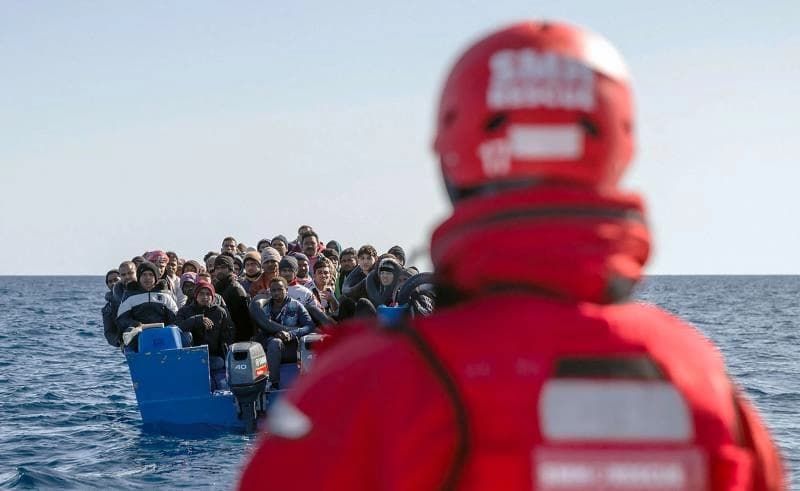
It is not clear if the start of the flights is related to Iraqi asylum seekers and steps to deport them from Germany. Nearly 22,000 Iraqi nationals are legally obliged to leave Germany after their asylum claims were rejected, although the vast majority have been granted temporary protection from immediate deportation, Germany’s migration office told Rudaw on Saturday.
The German Federal Office for Migration and Refugees said that "there were 21,869 Iraqi nationals required to leave Germany, of whom 19,382 had been granted temporary suspension of deportation 'Duldung' and 2,487 had not," noting that deportation orders follow rejected asylum claims, though local state authorities handle enforcement if individuals do not leave voluntarily.
The Kurdistan Region and Iraq have seen repeated waves of youth migration over the past decade, largely driven by unemployment, economic hardship, and the search for better opportunities abroad.
According to the German migration office, 2,647 Iraqi nationals filed asylum applications in Germany during the first eight months of 2026. Over the same period, authorities issued decisions on 5,162 Iraqi asylum claims, rejecting 2,654 of them, according to data from Germany’s Federal Office for Migration and Refugees.
The remaining 2,508 decisions were split between 1,241 individuals who were granted some form of legal protection - including refugee status, subsidiary protection, and deportation bans - and 1,267 cases that were closed through other procedural conclusions.