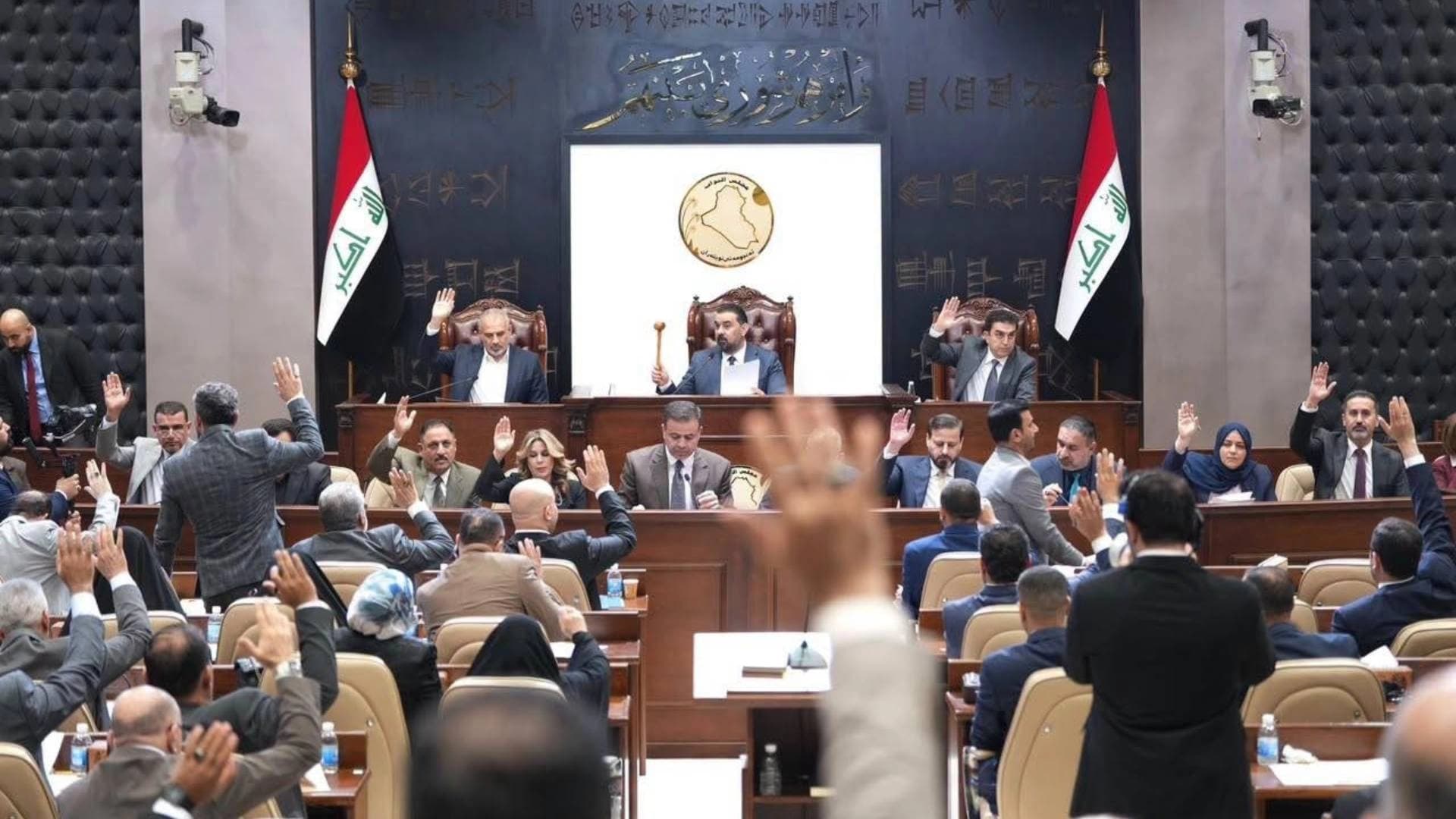

ERBIL, Kurdistan Region - A landmark bill formally criminalizing genocide, crimes against humanity, and war crimes under the domestic penal code is poised for its first reading by the Iraqi parliament, a lawmaker from the security parliamentary committee told Rudaw on Wednesday.
Sherwan Dubardani, a member of the Iraqi parliament’s Security and Defense Committee representing the Kurdistan Democratic Party (KDP), told Rudaw’s Hastyar Qadir that Iraqi courts have long lacked a specific legal framework to prosecute core international crimes.
“The draft has been sent to the parliament for its first reading and is currently under review by security and defense as well as human rights committees,” he stated.
In the absence of dedicated legislation, perpetrators of mass atrocities - including the Yazidi genocide -have historically been tried under Iraq's 2005 Counter-Terrorism Law for acts of terror or membership in illegal organizations.
The proposed legislation seeks to close that gap. In addition to core international crimes, the draft framework covers "enslavement, forced displacement, forced pregnancy, persecution, enforced disappearances," and deliberate attempts at demographic changes, according to Dubardani.
The draft law establishes jurisdiction over offenses committed aboard Iraqi ships and aircraft, crimes committed by Iraqi nationals abroad, and atrocities carried out by the Islamic State (ISIS) and affiliated groups.
The legislation also mandates severe punishments.
“It prescribes the death penalty for mass murder, extermination, causing severe bodily or mental harm to members of a targeted group, intentional targeting of protected populations, and the forced transfer of children from one group to another,” Dubardani said.
The bill's advancement comes as Iraq navigates complex international legal hurdles. Iraq is not a state party to the Rome Statute, leaving the Hague-based International Criminal Court with no jurisdiction over crimes committed on Iraqi soil.
Furthermore, Baghdad's insistence on applying the death penalty led to the closure of the United Nations Investigative Team to Promote Accountability for Crimes Committed by ISIS (UNITAD) in late 2024.
Strict UN policies prohibit sharing evidence or providing technical assistance for criminal proceedings where capital punishment could be imposed. As a result, UNITAD retained custody of a significant portion of its evidentiary archives, sharing full files primarily with third-country jurisdictions - such as European courts trying returned foreign fighters - where fair-trial standards were met and the death penalty was off the table.
Currently, most ISIS suspects in Iraq are prosecuted under Article 4 of the Counter-Terrorism Law, which mandates death or life imprisonment for anyone who "commits, incites, plans, finances, or assists" a terrorist group. In February, Human Rights Watch estimated that roughly 8,000 prisoners were on death row in Iraq.
The push for a new legal framework coincides with a massive influx of ISIS suspects into the Iraqi justice system.
Earlier this year, the US Central Command reported that between January 21 and February 12, more than 5,700 adult male ISIS fighters were relocated from detention facilities in Syria to Iraqi custody.
The transferred detainees include 3,543 Syrians, 467 Iraqis, 710 nationals of other Arab countries, and more than 980 foreigners from Europe, Asia, Australia, and the US, according to figures released in August by the National Center for International Judicial Cooperation (NCIJC).
In late September, Ali Hussein Jafat, head of the NCIJC - an affiliate of the Iraqi Supreme Judicial Council - told Rudaw’s Malik Mohammed that the first phase of interrogations for the thousands of transferred detainees was complete, adding that testimonies from Yazidi survivors have been submitted to advance litigation on an individual basis.
.webp&w=3840&q=75)
.png&w=3840&q=75)