
ERBIL, Kurdistan Region - Iraqi Prime Minister Ali al-Zaidi on Monday ordered an investigation into the head of Maysan's provincial council over his threats of "civil disobedience" following the closure of a border crossing with Iran, prompting a lawmaker to question whether the premier has the legal authority to investigate an elected official.
The investigation follows remarks made Sunday by Mustafa Daeer Mohammedawi, who threatened to block major roads connecting the southeastern province to the rest of Iraq unless the Sheeb border crossing with Iran was reopened by Thursday.
Zaidi’s office said the move is related to Mohammedaw’s threat to “declare a state of civil disobedience if the Sheeb border crossing were not opened," adding that Mohammedawi had also used "inappropriate language."
The office stressed the need for officials to "adhere to the law" and follow established constitutional and administrative procedures when addressing disputes, leaving the determination of any legal liability to the relevant authorities. It did not specify which authority would conduct the investigation.
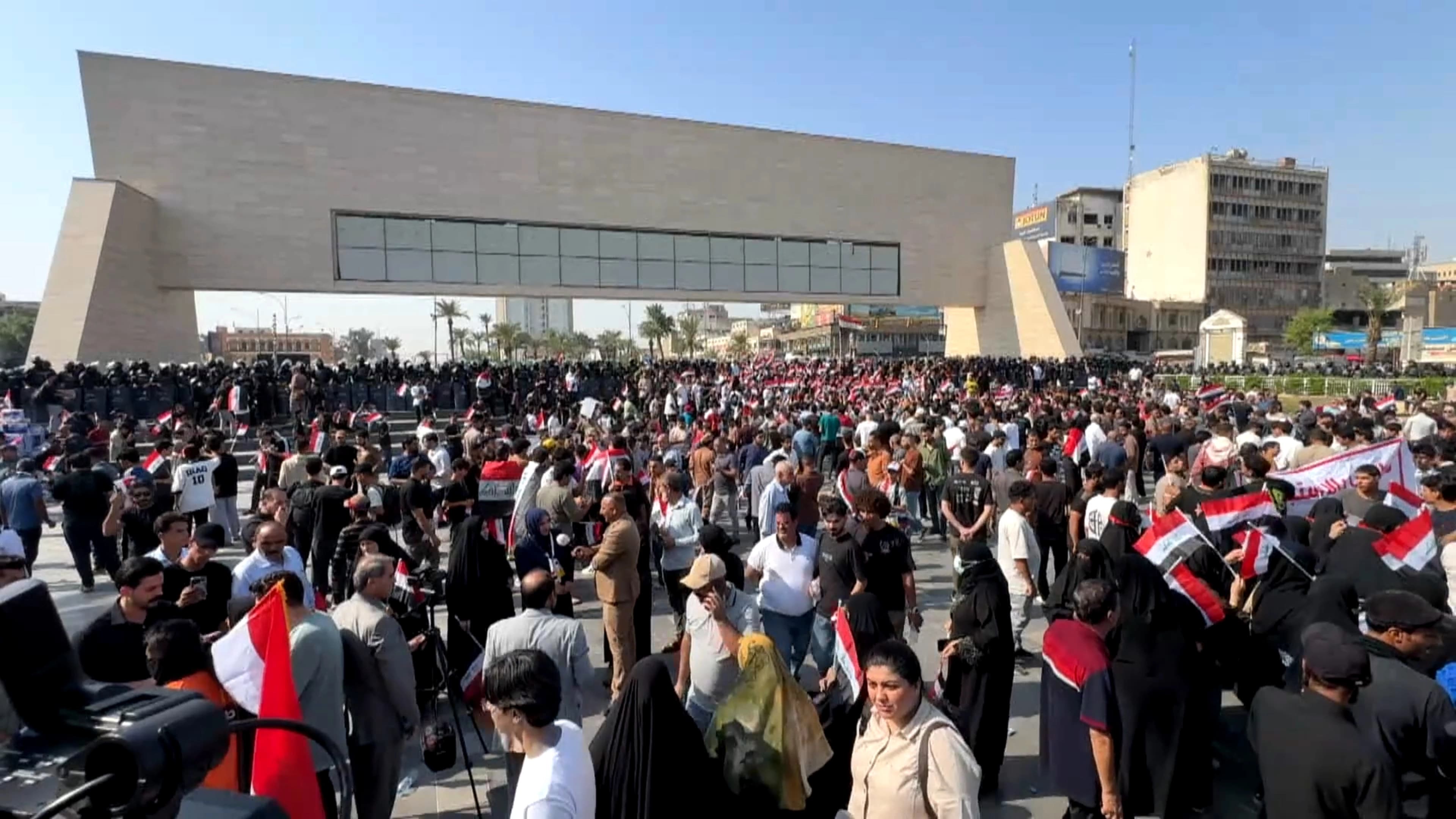
The dispute comes amid growing tensions over the closure of Sheeb, a key commercial crossing between Iraq and Iran, which has disrupted trade and sparked protests among truck drivers and local officials who warn of economic repercussions for Maysan.
"If it [Sheeb] is not opened, then the people of Maysan province will be forced to resort to civil disobedience on all roads," Mohammedawi said at a press conference on Sunday, threatening that the province would "be cut off from all of Iraq."
Speaking alongside protesters, many of them truck drivers transporting goods across the border, Mohammedawi warned that those present represented only a small proportion of the province's population and threatened larger demonstrations if the crossing remained closed.
The Iraqi government closed Sheeb, known as Chazabeh in Persian, on Wednesday, citing the need to improve its technical and logistical readiness.
Government spokesperson Haidar al-Aboudi told the state-owned Iraqi News Agency (INA) that the crossing lacked "technical, technological, and developmental preparedness," adding that authorities were working to prepare it for the resumption of trade with Iran.
The closure has also triggered a diplomatic dispute, with Iranian officials criticizing Baghdad for allegedly failing to notify Tehran beforehand.
The pro-Iran Islamic Resistance in Iraq (IRI), an umbrella group of armed factions, has separately accused the government of yielding to American "dictates and pressure" over restrictions on border crossings and Iranian flights.
Mohammed Jassim al-Khafaji, an Iraqi lawmaker, questioned Zaidi's authority to investigate Mohammedawi, arguing that the prime minister had no legal power to take such action against an elected provincial council official.
"Investigating an elected provincial council is something the prime minister is legally not authorized to do," Khafaji said in a Facebook statement, questioning the basis for investigating an elected oversight body.
He argued that only the provincial council could remove its chairman through a vote by an "absolute majority," rather than through a decision by the prime minister.
Khafaji said he had submitted a formal request to parliament to summon Mohammedawi for a hearing on the repercussions of the border closure.
Meanwhile, Hussein al-Maryani, a member of the Maysan provincial council, told Rudaw's Mushtaq Ramadhan on Sunday that the closure had caused "severe damage" to the province.
"It [Sheeb] serves as the primary entry point for most goods, commodities, and foodstuffs into the city of Amarah and the rest of the province. This closure has directly resulted in a sharp rise in prices and has negatively impacted economic activity," he said.
Maryani added that the closure had also created difficulties for travelers, including Iraqi students enrolled in Iranian universities, urging Baghdad to resolve administrative problems without shutting down the crossing entirely.
"We stand with the government in imposing state power, implementing the law, and removing those involved [in irregularities], but the solution lies in correcting course and ensuring the smooth flow of work, not a full closure and hurting the interests of the people," he said.
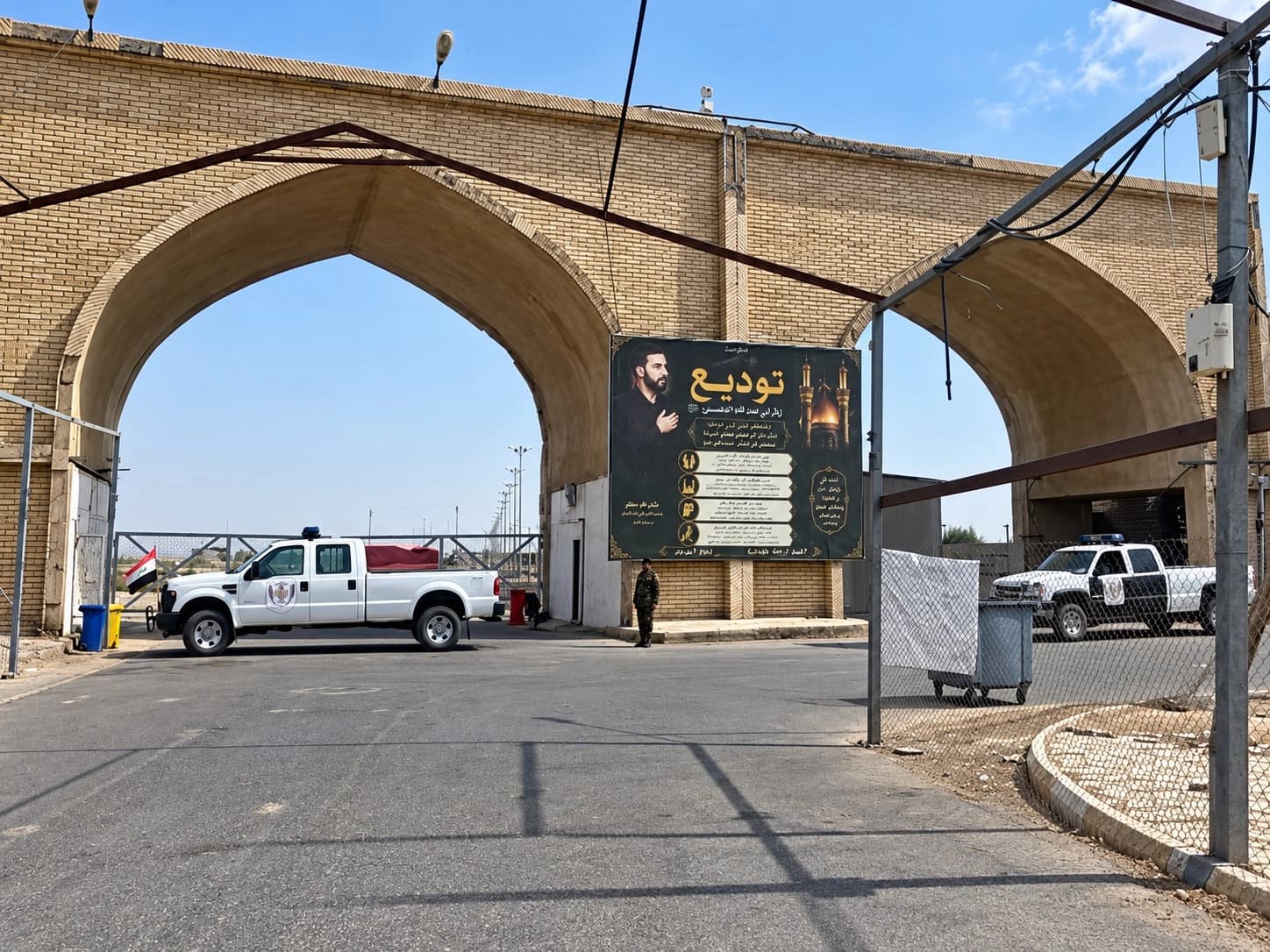
Videos shared with Rudaw by Iraqi officials stationed at the crossing showed pickup trucks of security forces parked near its closed gates, with no commercial traffic visible.