
ERBIL, Kurdistan Region - The United States expects Iraq’s Prime Minister Ali al-Zaidi to hold Iran-aligned armed groups accountable for activities undermining the country’s sovereignty and economy, a State Department spokesperson told Rudaw on Wednesday, as Baghdad intensifies efforts to investigate alleged oil smuggling in a stronghold of Kata’ib Hezbollah.
“The United States expects Prime Minister al-Zaidi to hold Iran-aligned militias accountable for engaging in violent and destabilizing activities throughout Iraq and the entire region,” the spokesperson told Rudaw’s Diyar Kurda in a background briefing.
“These militias actively undermine Iraq’s sovereignty, weaken the Iraqi economy, and steal Iraqi resources through graft and corruption to benefit themselves and the regime in Tehran,” the spokesperson added.
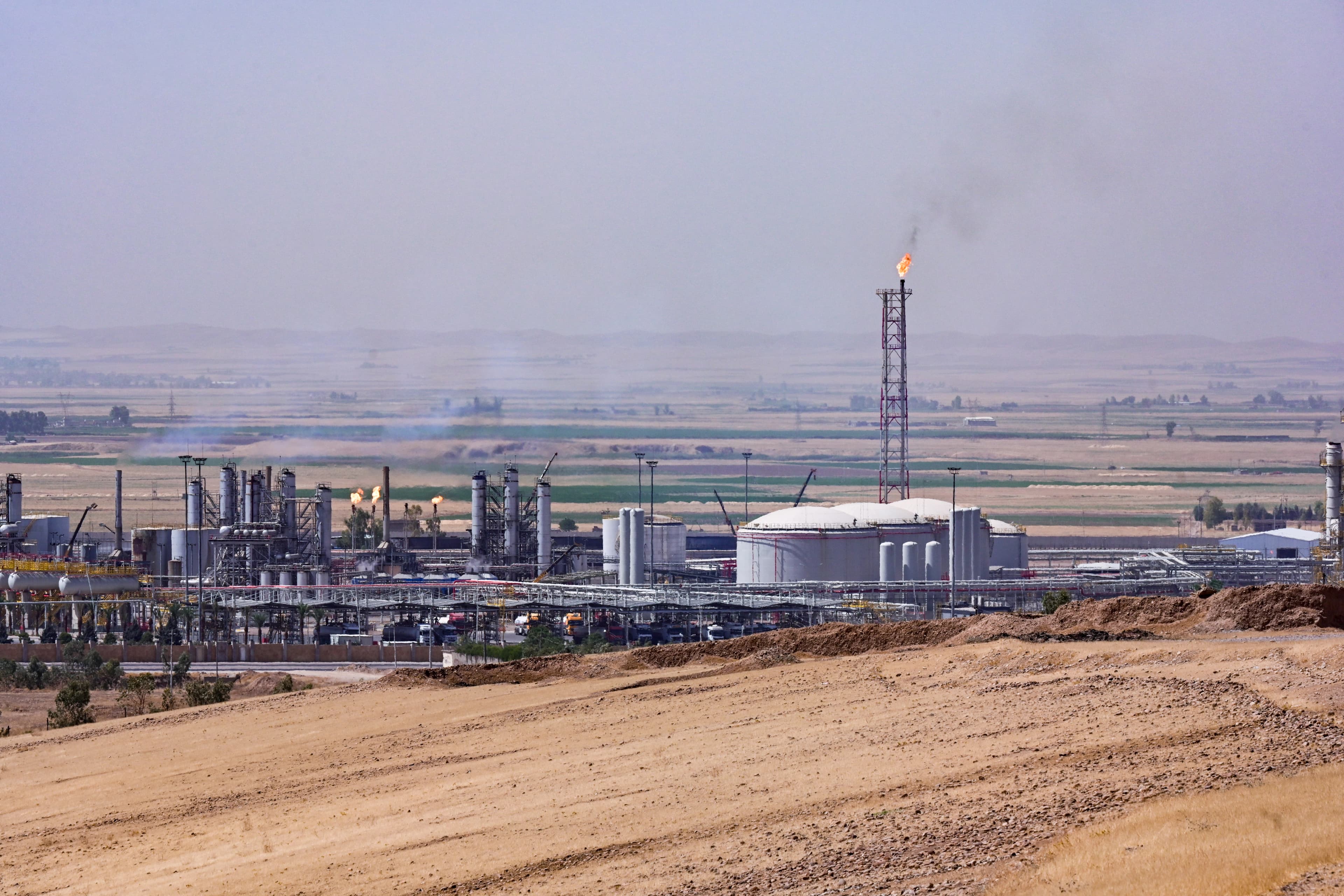
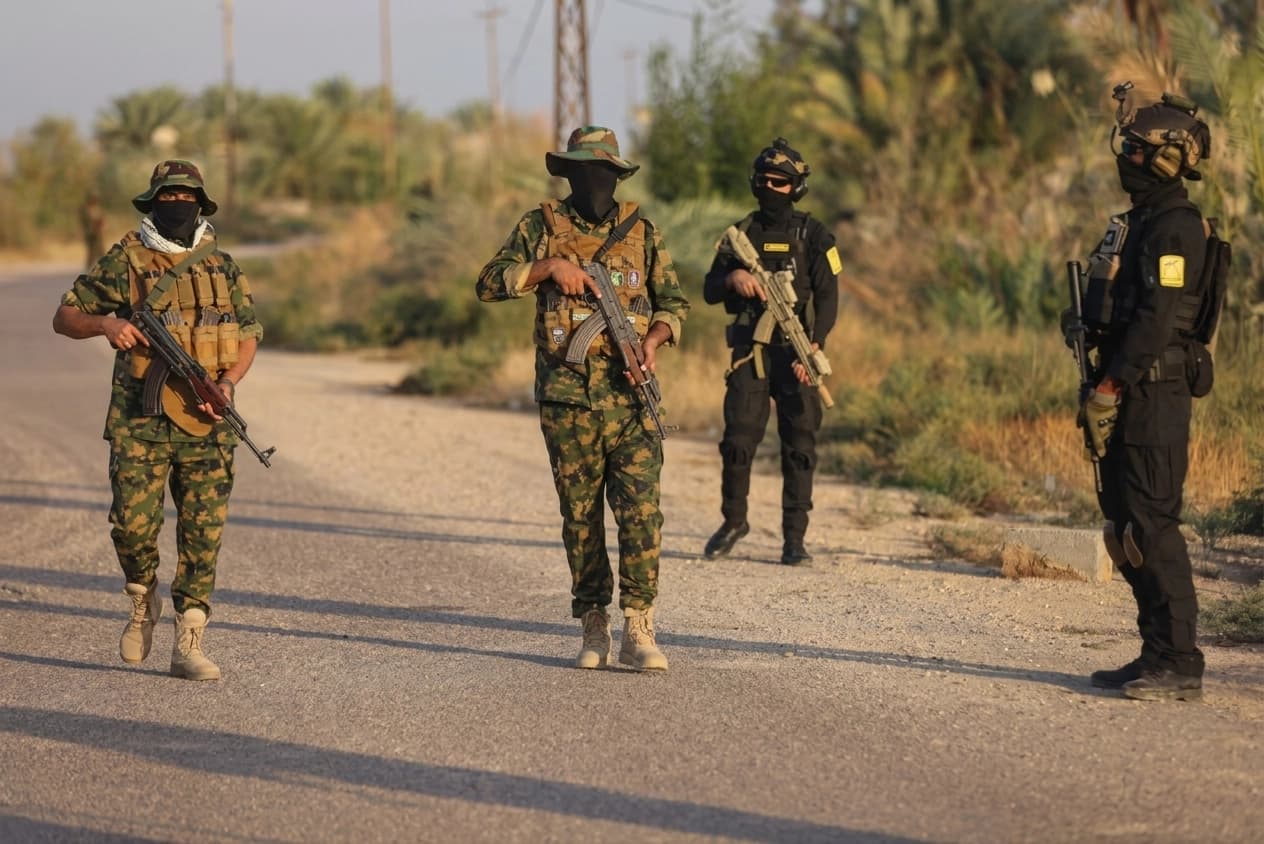
The US remarks come amid mounting tensions over alleged oil smuggling in Jurf al-Sakhr, south of Baghdad, where Iraqi authorities are investigating claims that crude oil has been siphoned from government pipelines with the involvement of Iran-aligned Kata’ib Hezbollah.
The investigation follows the circulation of a 19-page intelligence report alleging that oil had been diverted from state pipelines in the area since 2021. The report cited underground storage pits, a small illegal refinery and increased nighttime tanker movements to evade detection.
The Iraqi government has vowed to dismantle networks involved in the alleged smuggling. Government spokesperson Haider al-Aboudi said earlier this week that security camera footage from the Interior Ministry had corroborated intelligence findings and that the cabinet had adopted measures to address the case.
“The Ministry of Interior's cameras confirmed the intelligence information regarding oil smuggling, and the government has put in place a plan to cleanse Jurf al-Nasr of any party or entity that tampers with the oil wealth,” Aboudi said, using the area's official name.
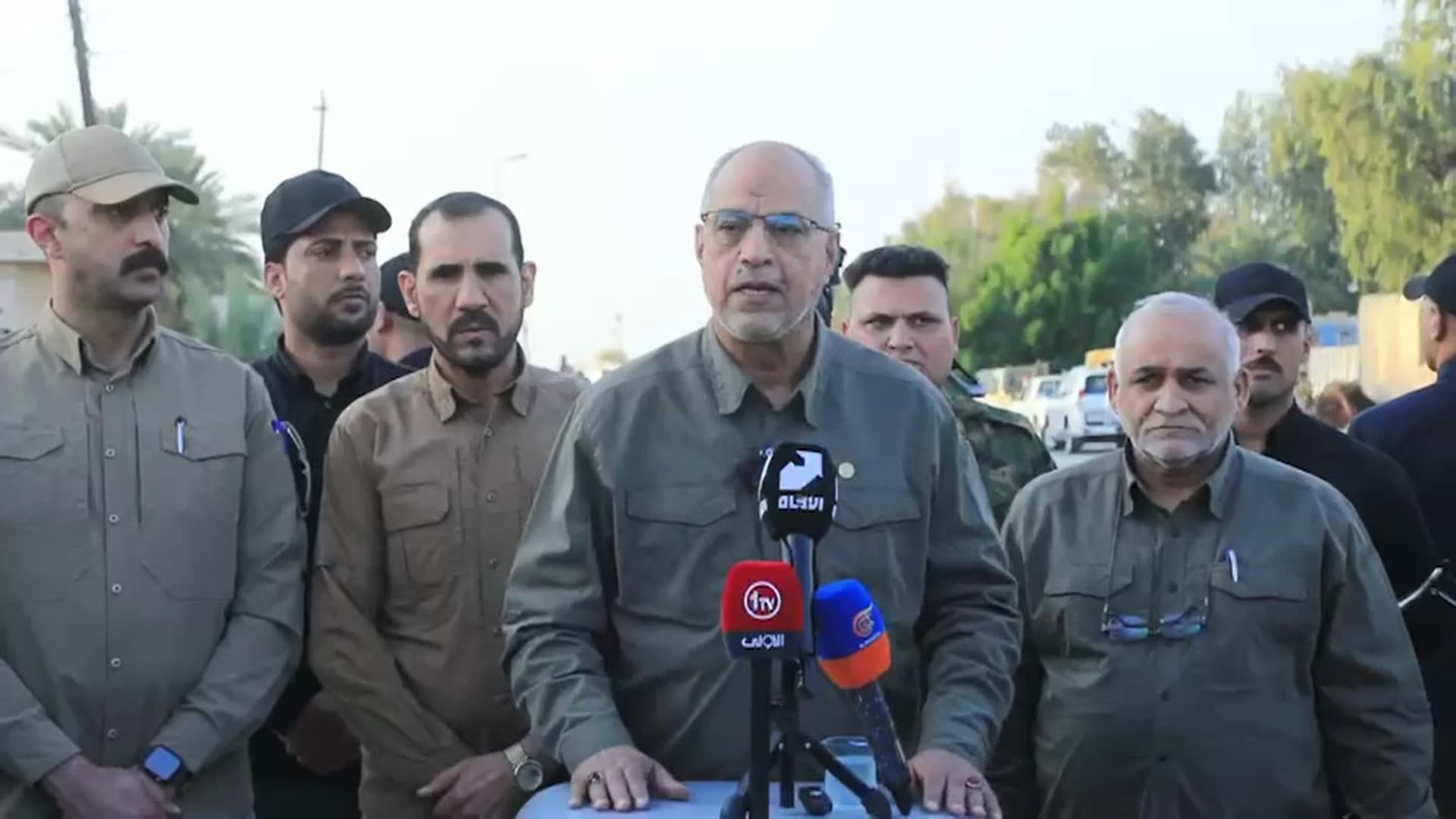
A senior Popular Mobilization Forces (PMF) commander, meanwhile, said Tuesday that forces stationed in Jurf al-Sakhr were prepared to cooperate with oil and gas police and facilitate inspections of suspected pipeline breaches.
Ali al-Hamdani, commander of the PMF's Middle Euphrates Operations, said the forces had offered logistical assistance and were willing to deploy personnel along the pipeline.
“The forces holding the area have expressed their readiness and logistical support for excavating both sides of the pipeline for inspection by the oil and gas police,” Hamdani said.
He rejected suggestions of a potential confrontation between the PMF and other security formations, emphasizing that federal police, army and other security units were already deployed in the area and coordinated with the paramilitary force.
However, parliamentary investigations have raised further questions about the extent of armed groups' presence and their alleged involvement in the illicit oil trade.
Mazin Ghareeb, a member of parliament's security and defense committee, told Rudaw’s Nwenar Fatih on Tuesday that more than 40,000 Kata’ib Hezbollah fighters were stationed in the area, citing information attributed to a committee member who had recently visited the town. He also said the group allegedly operated two refineries there, one capable of processing 4,000 barrels of crude oil daily.
Binas Ali Doski, a member of parliament's oil and gas committee, separately told Rudaw that although Jurf al-Sakhr had no oil wells, a pipeline transporting crude from southern Iraq to the Dora and Baiji refineries had been punctured.
“There are no oil wells in the Jurf al-Sakhr area, however, the pipeline that transports oil from the south to the Dora and Baiji refineries has been punctured, and Kata'ib Hezbollah is present in that area,” Doski said.
Harem Kamal Agha, another member of parliament's oil committee, told Rudaw’s Sangar Abdulrahman on Tuesday the parliamentary delegation had inspected four of six identified locations but was prevented from accessing two others, which the group regarded as a “red line.”
The government’s campaign has also drawn sharp warnings from Kata’ib Hezbollah. Senior figure Sheikh Abu Talib al-Saeedi cautioned Tuesday that the standoff could plunge Iraq into a “major crisis” and result in “bloodshed” between the faction and Iraqi security forces.
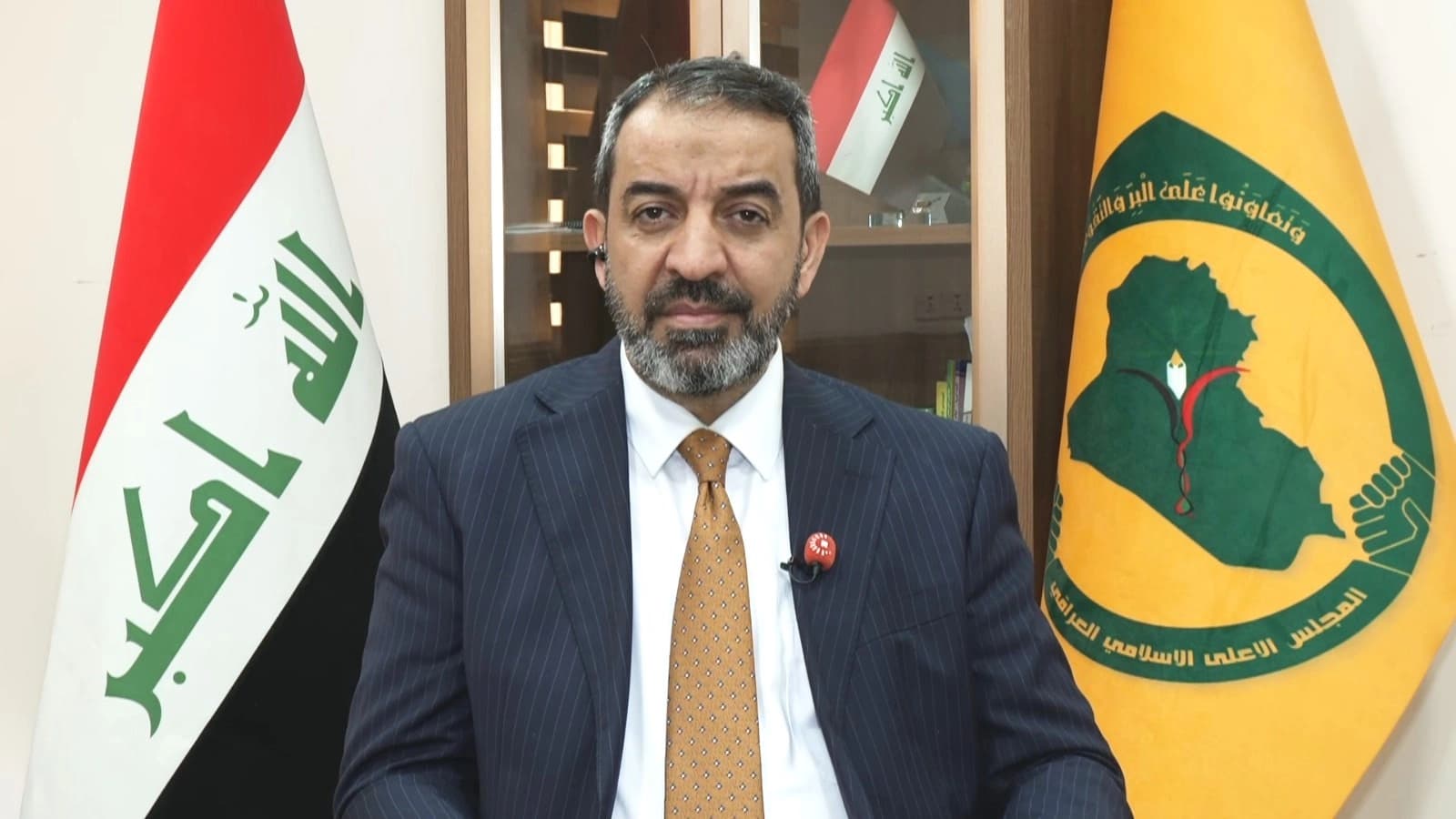
Ali al-Difai, a spokesperson for the Islamic Supreme Council of Iraq, told Rudaw that the ruling Shiite Coordination Framework had reached an understanding with Zaidi to replace Kata’ib Hezbollah forces in Jurf al-Sakhr with another PMF formation, rather than deploy regular army units. The proposed transition could take between 10 and 14 days, he said.