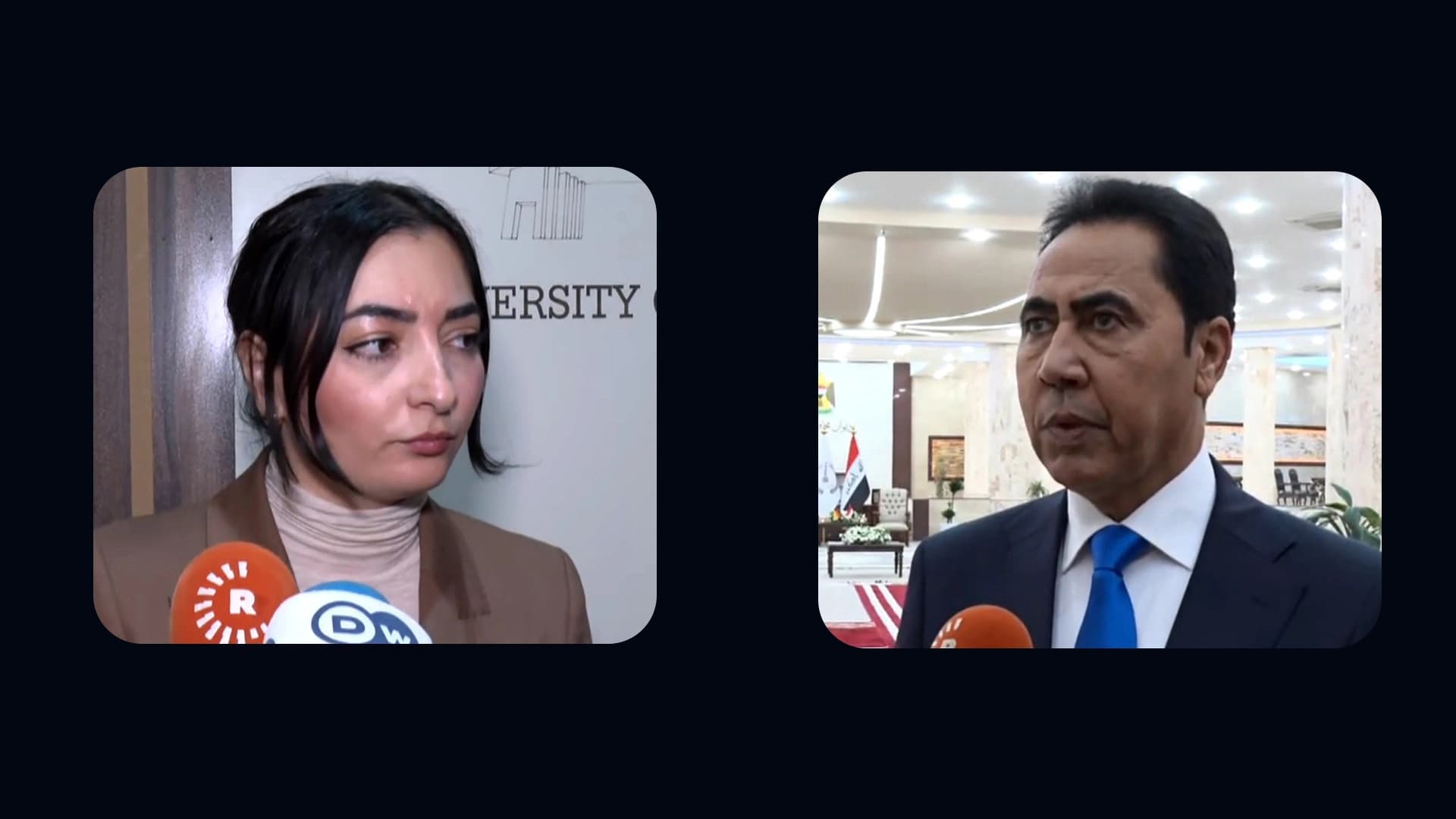
ERBIL, Kurdistan Region - Former Iraqi prime minister and head of the State of Law coalition Nouri al-Maliki on Monday called for separate revotes on three controversial bills passed last month.
Referring to the general amnesty, the property restitution and the personal status laws, Maliki argued that they were “not legislated correctly” and ought to be “returned to the parliament and voted on separately.”
Amendments to these three laws were introduced in parliament last year and after months of political bickering, the Iraqi legislature on January 21 passed all three in a surprise move.
Maliki criticized the passing of all three bills in one go. In an indirect reference to the general amnesty law, the veteran politician argued that the one-basket voting led to “the passage of a problematic bill” with other legislations that are valid.
The general amnesty, introduced by Sunni lawmakers in the Iraqi legislature, amends the 2016 law’s interpretation of affiliation with terrorist organizations. The amendment was a top prerequisite for Sunni blocs to join the ruling State Administration Coalition. Sunnis argue that thousands from their community have been unjustly imprisoned since 2003 in Shiite-dominated Iraq, over alleged terrorism links.
Maliki insisted however that his objection was not to the release of “innocent individuals or those who committed minor offenses,” but rather the potential consequences of this legislation.
Moreover, the three laws have recently emerged as a topic of contention between the country's top judicial authorities. The Federal Supreme Court suspended the implementation of the laws after several legislators questioned the voting process. The Supreme Judicial Council criticized the top court’s decision as premature.
In light of the ongoing dispute, Maliki urged all sides to “respect and adhere to the rulings of [both] the Supreme Judicial Council and the Federal Supreme Court.”