
ERBIL, Kurdistan Region - Iraq’s governing coalition on Thursday welcomed the government’s decision to hold parliamentary elections in November without introducing any amendments to the electoral law.
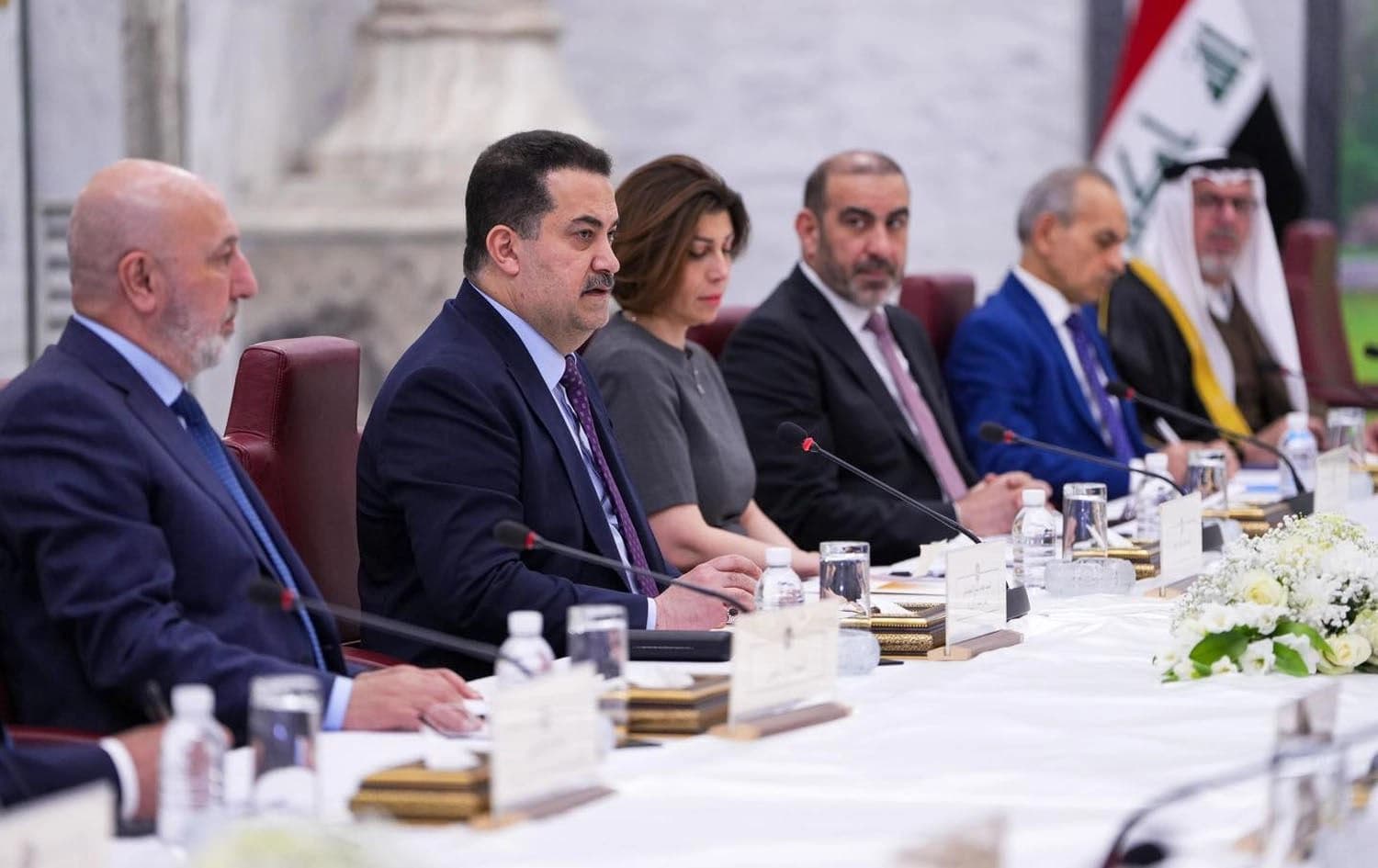
The State Administration Coalition said it welcomed holding the elections “in accordance with the current law and without any amendments,” according to a statement from Iraqi Prime Minister Mohammed Shia’ al-Sudani’s office.
The Council of Ministers on Wednesday set November 11, 2025, as the date for the next legislative elections, following pressure from the Shiite-led Coordination Framework, which had rejected calls for delaying the vote.
The coalition, which includes parties backing Sudani’s cabinet as well as the ruling parties of the Kurdistan Region, called on Iraqis “to seize this constitutional opportunity to elect their representatives.”
Iraq has changed its electoral system several times since 2003, alternating between laws that favor larger parties and reforms designed to support independent candidates. After mass protests in 2019, a new electoral law divided provinces into smaller districts, making it easier for independents to win seats. But in March 2023, parliament reversed those reforms, restoring larger districts.
The change triggered criticism from independents and smaller parties, who accused major blocs of trying to sideline emerging political forces. Protests broke out in February 2023, with demonstrators saying that the changes would marginalize independent voices while benefiting established parties.
Some lawmakers have proposed reinstating smaller districts or dividing large provinces to boost independents - moves blocked by the dominant parties. One proposed amendment would allocate 30 percent of parliamentary seats to candidates with the highest number of votes, while distributing the remaining 70 percent through a modified Sainte-Lague method, starting with a divisor of 1.5 rather than the traditional 1.0 - a change expected to disadvantage smaller parties and independents.
The draft legislation also requires officials seeking election, including lawmakers, governors, and provincial council members, to resign before running. It further bans the use of state resources, such as welfare programs or land grants, in election campaigns.