ERBIL, Kurdistan Region - Kurdistan Region Prime Minister Masrour Barzani said on Thursday that Baghdad is seeking to open a “new page” in relations with Erbil, expressing support for Iraqi Prime Minister Ali al-Zaidi and voicing optimism that longstanding disputes between the federal and regional governments can be resolved.
“What we heard from both him and the various political parties is a shared desire to open a new page and find solutions to outstanding issues,” Prime Minister Barzani told reporters in Erbil, referring to his recent meetings in Baghdad with Zaid. He added that “We want to ensure that we do not just normalize relations, but improve them.”
The Kurdistan Regional Government (KRG) Prime Minister held high-level talks in late May with Iraqi officials and senior political figures in Baghdad. “During these meetings, we stressed the absolute necessity of implementing the Kurdistan Region’s constitutional rights and financial entitlements,” Barzani said.
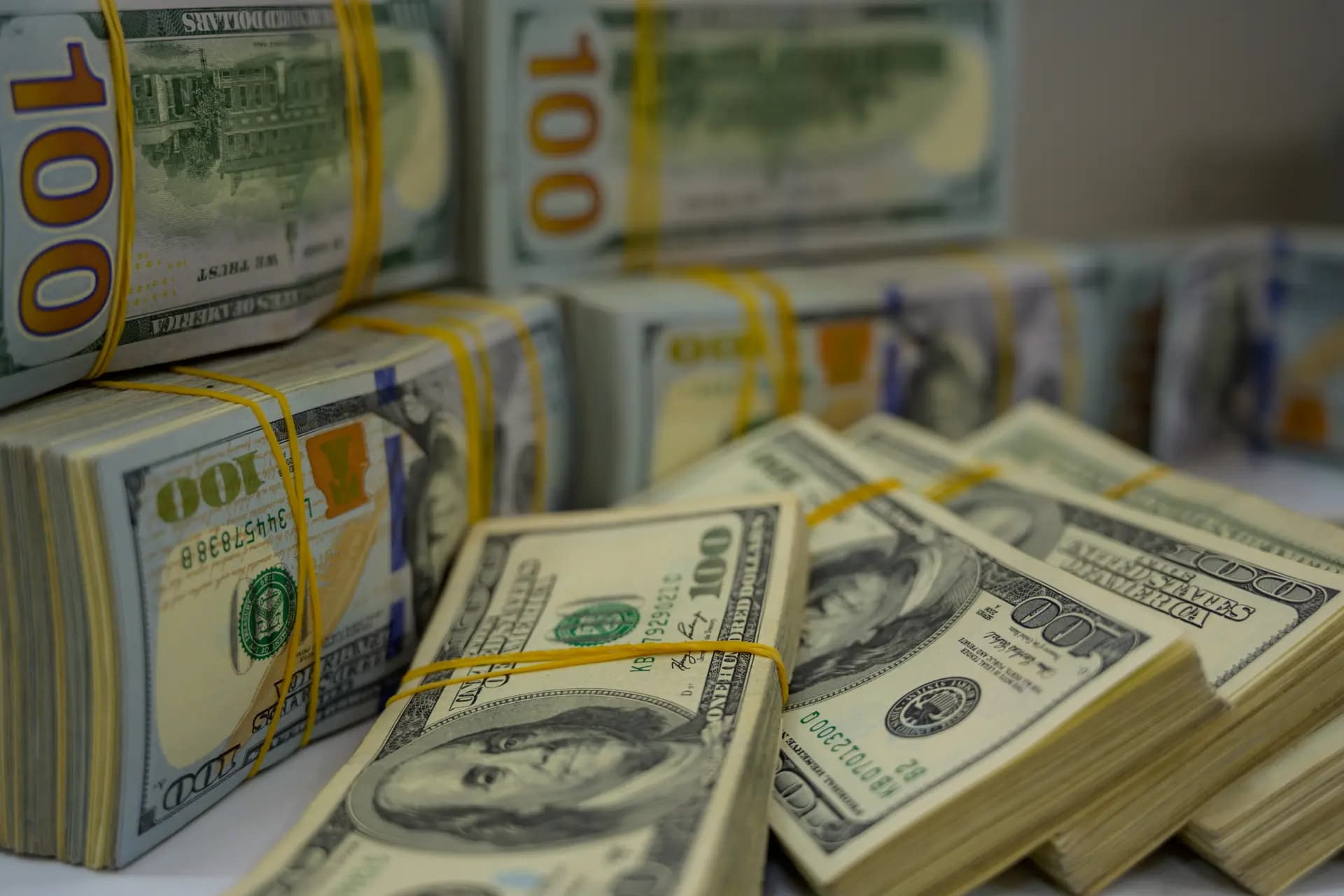
For more than a decade, Baghdad and Erbil have been locked in disputes over the Kurdistan Region’s financial entitlements, including budget transfers, public sector salaries, and the management of oil revenues.
Among the longstanding disputes, public sector employees in the Kurdistan Region have for more than a decade faced salary delays, partial payments, and deductions stemming from recurring financial disagreements between Erbil and Baghdad. Last year, KRG employees received only 10 months of salaries.
However, this year Baghdad has transferred salary payments to Erbil over the past five months, in exchange for the Kurdistan Region’s compliance with requirements to remit 50 percent of non-oil revenues to the federal government and export oil through the State Oil Marketing Organization (SOMO).
Assuring Kurdistan Region’s employees of the resumption of their salary transfers, Barzani said that “the federal government has reaffirmed its position that public salaries should not be mixed with or tied to other political disputes."
Oil exports
On oil exports, the Kurdish premier said that “Mr. Zaidi noted that it would be beneficial to help increase overall oil exports, particularly given that exports through the Strait of Hormuz have been reduced or halted,” adding that Kurdistan Region's oil exports “only solve part of the problem,” as they cannot compensate for the scale of production from Iraq’s southern oil fields.
“To that end, we have sent a delegation to engage in serious talks with the federal government regarding oil management and budget salaries,” he added.
Iraqi oil exports have suffered significant blows since the outbreak of the US-Israeli war against Iran in late February. Despite a truce between Washington and Tehran on April 8, both sides resumed imposing tit-for-tat restrictions in the Strait of Hormuz, a strategic waterway through which about one-fifth of global crude oil and liquified-natural gas (LNG) pass.
Iraq's oil exports through the strait have dropped to historical lows, hitting around the total 10 million barrels in April - drastic decline from the average of 93 million monthly exports.
Alternatively, the Iraqi government has sought to increase overland exports via tanker trucks as well as boosting export through the Kurdistan Region’s pipeline to Turkey’s Ceyhan port.
Earlier in the week, Zaidi revealed plans to more than triple its crude sales - from 220 to 770,000 barrels per day (bpd) - through the Kurdistan Region by the next three months.
However, increasing production in the Kurdistan Region requires engagement from the international oil companies (IOCs), most of which reduced or halted production during the war as a defense mechanism against attacks by Iran-backed armed groups in Iraq.
Barzani noted that he demanded the inclusion of the IOCs in the KRG delegation to Baghdad, underlining their demand for “guarantees” before they will resume production and increase exports through the Kurdistan Region.
Zaidi received the delegation on Wednesday and he “listened to a detailed explanation of the working conditions of the oil companies, in light of the recent events resulting from the war witnessed by the region,” Iraqi state media reported on Wednesday.
"The Prime Minister also directed the oil companies in the Kurdistan Region of Iraq to resume their work starting tomorrow, emphasizing joint work and providing the appropriate environment and basic requirements,” it added.
Political impasse in Kurdistan
The KRG prime minister also made remarks on the political stalemate in the Region, urging political parties to “act more responsibly” by sidelining their partisan interests and propelling national interests instead.
“Eighteen months have passed since the last elections, yet we have still been unable to properly execute the will of the voters,” Barzani said, adding that “all factions must remain committed to the decision of the people,” he added.
Despite elections being held in October 2024, the KRG’s 10th cabinet has yet to be formed, as the ruling Kurdistan Democratic Party (KDP) and the Patriotic Union of Kurdistan (PUK) have not reached a durable agreement on the governing framework and distribution of ministerial positions.
He further stated that he is not aware of any scheduled date for a meeting between the KDP and the PUK. "Irresponsible rhetoric will do nothing to solve the problems of our people,” Barzani noted.
In addition to serving as Prime Minister, Masrour Barzani also holds the position of second deputy leader of the KDP.
One of the contentious issues with the PUK is its “comprehensive” agreement with the New Generation Movement (NGM), under which the two parties would enter negotiations with the KDP as a bloc holding 39 seats in the Kurdistan Parliament, combining the PUK’s 23 seats with NGM’s 15.
KDP has consistently said they will deal with the PUK as a party that has 23 seats.