ERBIL, Kurdistan Region - The Kurdistan Region's Ministry of Higher Education and Scientific Research on Wednesday permanently dismissed prominent Salafi figure and University of Sulaimani lecturer, Abdullatif Ahmad, after an investigation examining allegations of sexual misconduct.
"We have decided to impose the penalty of dismissal (al-Azl) on Dr. Abdul-Latif Ahmad," the decision read, ruling in favor of Article 8 of the Discipline for State and Public Sector Employee Law, which imposes the harshest disciplinary penalty available under Iraqi public service law in the public sector.
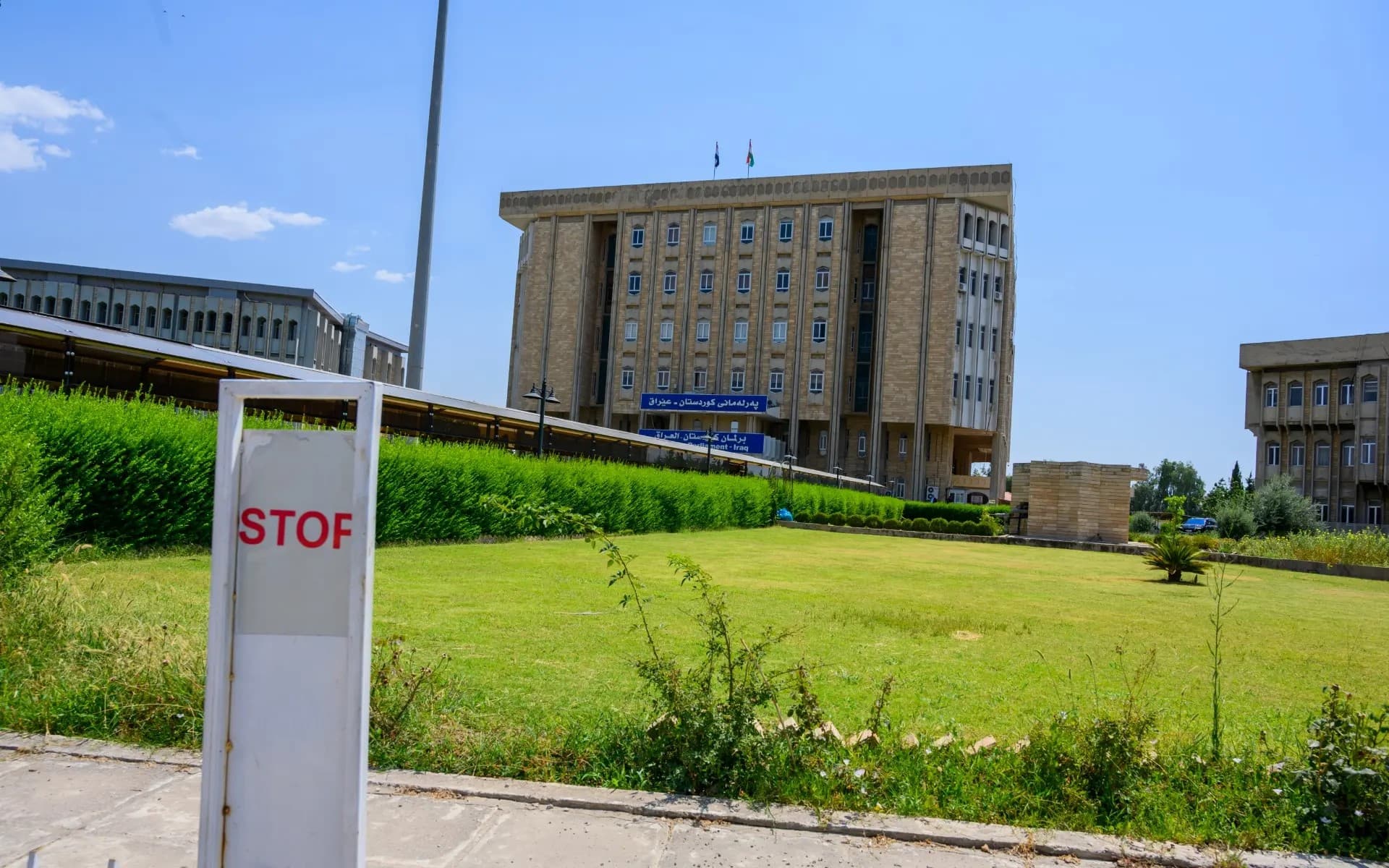
Under the ruling, Ahmad will be forcibly resigned from his position in the Department of Islamic Sciences at the University of Sulaimani. Under administrative law, the penalty of Azl, ‘dismissal’ in Arabic, constitutes expulsion from public service and permanently bars the individual from gaining future employment in any government institution.
The decision follows weeks of controversy after a series of audio recordings and text messages allegedly involving Ahmad were published online. The recordings prompted allegations from multiple female students and led the University of Sulaimani to establish an investigative committee.
Several female students from the College of Islamic Sciences alleged that Ahmad harassed them through his personal phone number, requested photographs, and sent them "inappropriate images." Multiple complaints were subsequently filed against him.
Ahmad, who is also regarded as the leader of the Salafi movement in the Kurdistan Region, has denied all allegations, describing the recordings as "slander" and insisting that the voice heard in the recordings is not his.
In late June, Kurdistan Regional Government Minister of Higher Education and Scientific Research Aram Qadir said he was preparing to receive the preliminary findings of the university's investigative committee.
The allegations first surfaced in early June after UK-based activist Bilal Mahmood, widely known as Yaxi, published audio and video recordings he claimed were provided by four of Ahmad's female students. A key issue during the investigation was verifying the authenticity of the recordings and determining whether they had been altered or generated using artificial intelligence.
The case is not the first controversy involving Ahmad. In 2016, audio recordings of private conversations between him and one of his students were made public, generating widespread criticism. The student later divorced her husband and married Ahmad.
RELATED: Viral Salafi preacher sexual exploitation case to be investigated next week: Minister