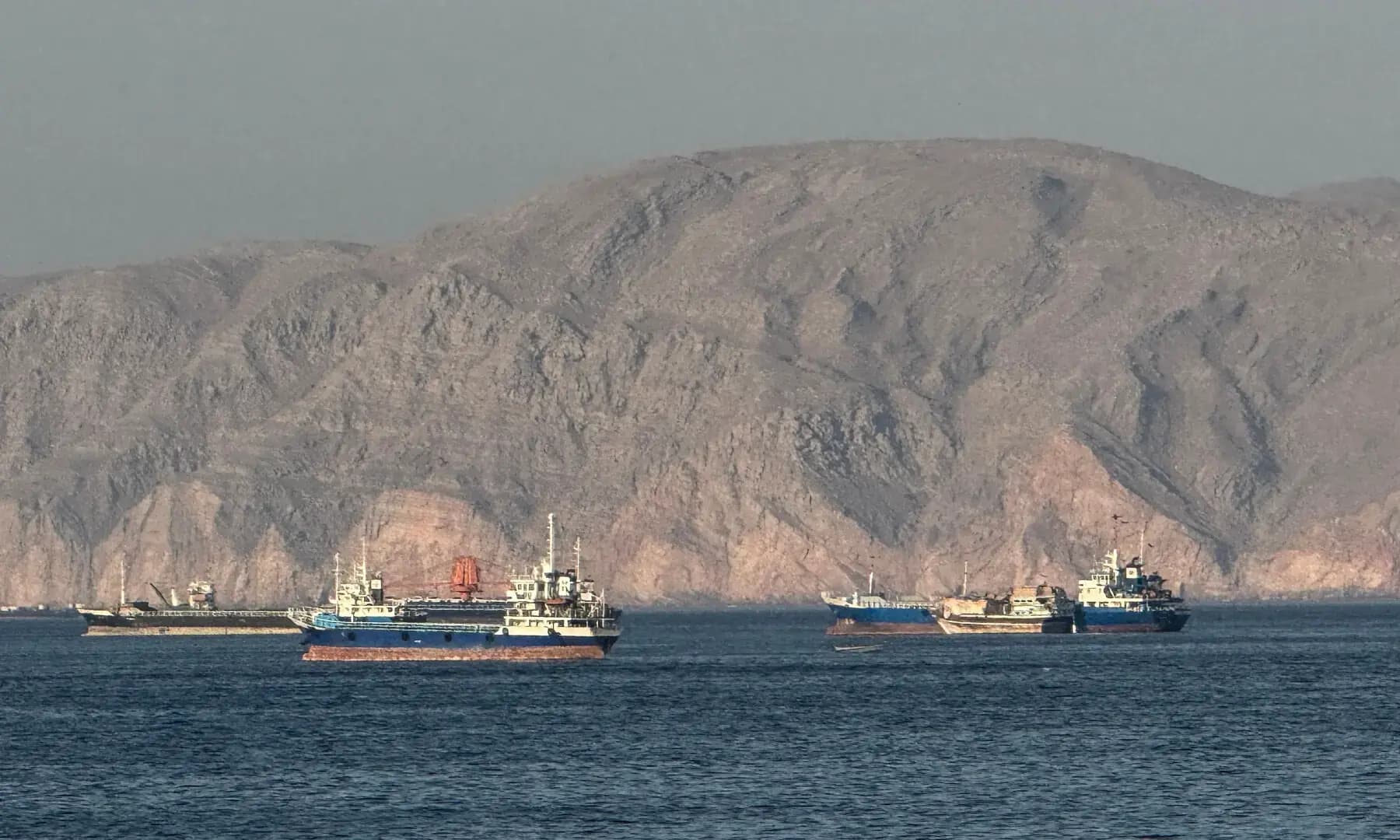

ERBIL, Kurdistan Region - Iran and Oman on Wednesday agreed on the intended routes for a safe commercial shipping corridor through the Strait of Hormuz, Tehran’s foreign ministry announced, adding that a joint statement by the two sides on shared management is currently in the final stages of being drafted, following months of maritime restrictions at the vital waterway.
“Talks between Iran and Oman, as the two littoral states of the Strait of Hormuz, aimed at designating a safe transit route for commercial shipping, have been ongoing over the past two months," Iranian foreign ministry spokesperson Esmaeil Baghaei said, as quoted by the Islamic Republic of Iran Broadcasting (IRIB).
Baghaei added that "the geographical coordinates of the intended route have been agreed upon by both parties," stressing that this holds provided no third-party states "obstruct" the process, and noting that a joint statement covering the agreement's major points "is currently in the final stages of review and drafting."
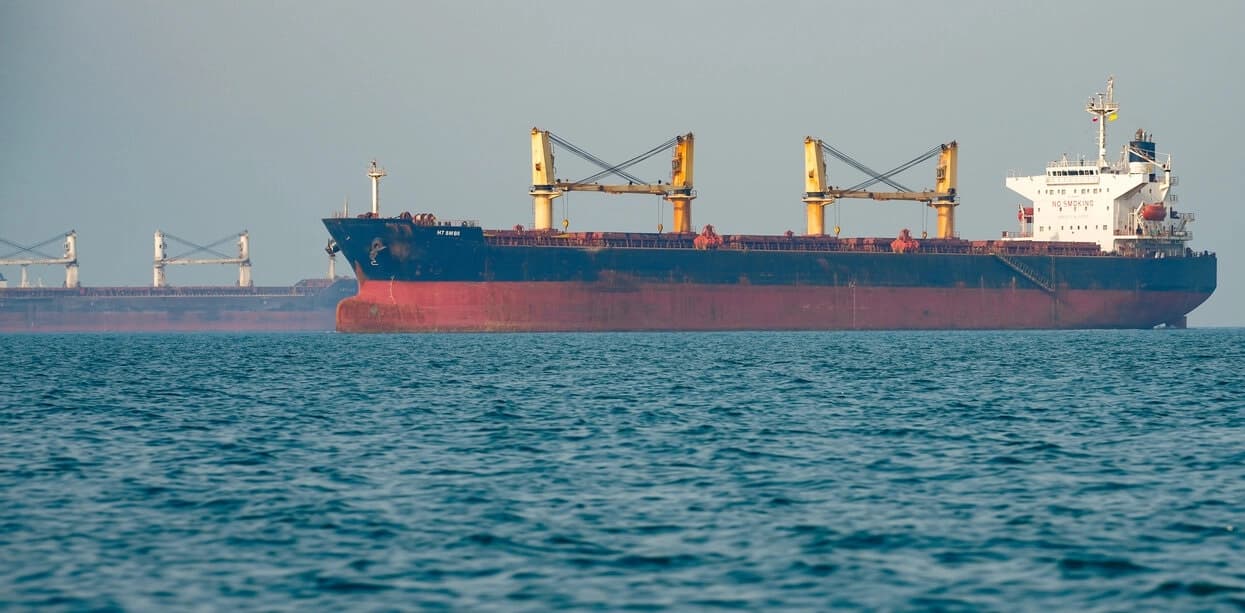
The Strait of Hormuz, a vital waterway through which around one-fifth of global oil supplies pass, has been a contentious point between the US and Iran since the onset of the war, when the US and Israel launched a joint aerial campaign on February 28, striking thousands of targets across Iran.
In response, Tehran has carried out thousands of drone and missile strikes across the Middle East, targeting alleged US assets - particularly in Gulf Arab states - as well as launching retaliatory attacks against Israel.
The Iranian response has also involved Iraqi armed groups aligned with the Tehran-led ‘Axis of Resistance,’ with several factions claiming responsibility for attacks on purported US targets in the region.
The warring sides reached a preliminary ceasefire agreement in early April that was followed by a Pakistan-mediated Islamabad Memorandum of Understanding, signed by Tehran and Washington in mid-June, establishing a ceasefire on all fronts.
However, following the truce, the two sides engaged in several rounds of strikes and counterstrikes that escalated on July 8 and ended on July 24.
A mild de-escalation has since taken hold. A US naval blockade on Iranian ports remains in effect, as Iran continues to claim sovereignty over the Strait of Hormuz, disrupting commercial shipping and requiring vessels to obtain authorization for passage.
Baghaei on Wednesday stated that while Iran and Oman have reached an understanding, the waterway is not yet fully secure due to persistent "destabilizing factors" on the part of the US.
He further noted that "Pakistan and Qatar are continuing their [mediation] efforts to de-escalate tensions, and the Islamic Republic of Iran remains in contact and consultation with them.”
Of note, the agreement between Tehran and Muscat comes a day after US President Donald Trump told Fox News on Tuesday that "the Strait [of Hormuz] is going to be open very soon, or they're [Iranian side] going to get hit very hard ... and then the strait's going to be open.”
RELATED: Iran blames Trump threats for delay in Hormuz deal with Oman