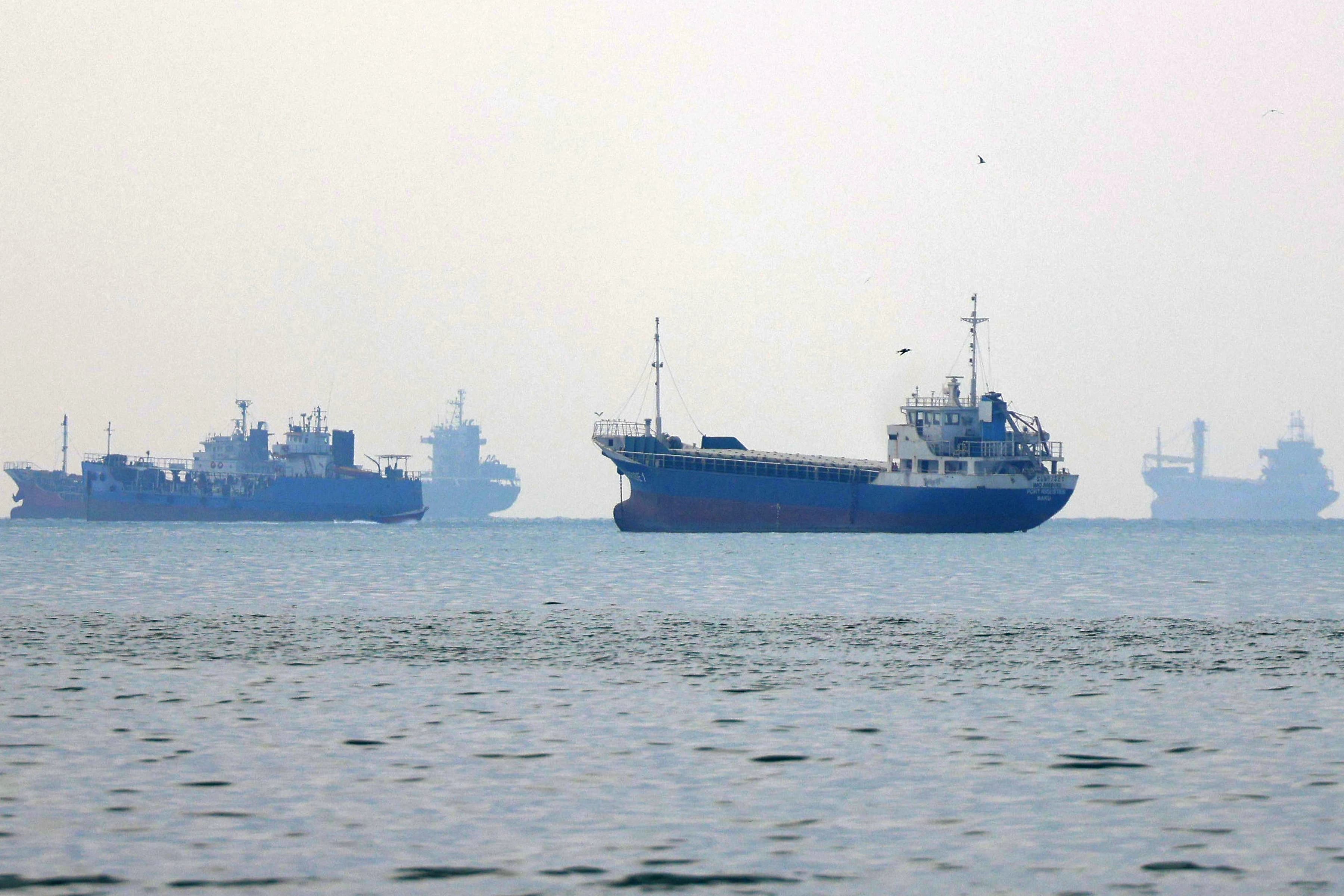

ERBIL, Kurdistan Region - A commercial vessel was struck by an unknown projectile while transiting the Strait of Hormuz late Saturday, as Iran-backed Houthis in Yemen tightened their grip on the Bab al-Mandab, deepening pressure on two of the Middle East’s most important maritime chokepoints and further raising tensions between Tehran and Washington.
The vessel was hit in the Strait of Hormuz, according to the UK Maritime Trade Operations (UKMTO), which said the extent of the damage and the condition of the crew were not immediately known. There was no immediate claim of responsibility.
An Islamic Revolutionary Guard Corps (IRGC)-affiliated Telegram channel reported on Saturday night that ballistic missiles had been fired towards the strait.
The attack comes at a particularly sensitive time for Iran, as its economy comes under mounting pressure, the national currency in a freefall and inflation remains high. At the same time, Tehran has shown little sign of backing down over the Strait of Hormuz.
Iranian officials said on Saturday that a recent understanding reached with Oman does not mean the strategic waterway will reopen any time soon, unless Washington accepts Tehran’s demands. A meeting between Iran and Gulf states, including Iraq, is due to be held in Oman on Monday, to discuss commercial shipping through the strait.
An informed source told the IRGC-affiliated Tasnim news agency that Tehran and Muscat had reached an understanding that would provide a framework for any eventual reopening of the strait.
“This understanding does not in any way mean the reopening of the Strait of Hormuz,” the source said. “Iran has communicated seven conditions to the US side through intermediaries. The strait will remain closed until those seven conditions, which have been approved by the highest authorities of the Islamic Republic, are implemented.”
US Central Command (CENTCOM) said on Saturday that during the past two months that the naval blockade has been in place on Iranian ports, its forces have redirected 100 Iranian commercial vessels as of September 12.
TankerTrackers - an independent online service that tracks crude oil and petroleum-product shipments by sea - said on Saturday that its review of tanker movements during the full 60-day period ending that day showed that crude oil from Iraq, Kuwait, Saudi Arabia, Qatar, the United Arab Emirates and Oman crossed the line at an average rate of 7.85 million barrels per day. The company said no Iranian oil tanker has managed to bypass the US naval blockade.
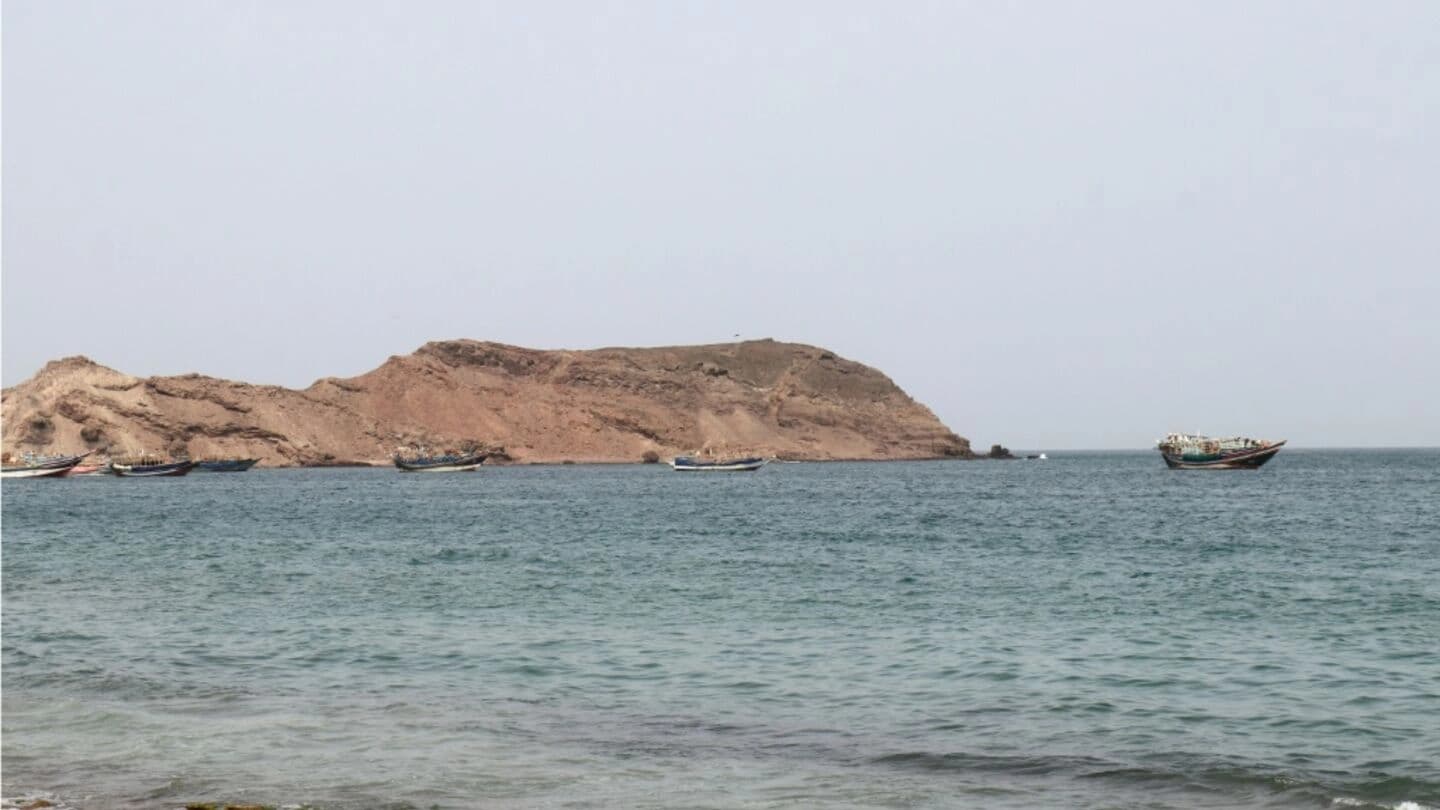
Iran has previously warned that pressure could also be applied through the Bab al-Mandab, where the Iran-aligned Houthis have made rapid gains in recent days. The group seized the strategic island of Perim on Friday and has advanced south along Yemen’s Red Sea coast, putting it in a stronger position to threaten shipping through the strait. The Houthis have also declared a naval blockade against Saudi Arabia.
Control or serious disruption of both Hormuz and Bab al-Mandab would give Iran and its allies extraordinary leverage over global energy and trade routes. Before the war, around a fifth of global oil supplies passed through Hormuz, while Bab al-Mandab handled about seven percent of global petroleum flows.
US President Donald Trump said on Saturday that Iran was “probably” behind Thursday’s attack on Saudi Arabia’s East-West pipeline, which Riyadh temporarily shut as a precaution. The pipeline has become one of Saudi Arabia’s most important alternatives to Hormuz, carrying roughly four to five million barrels of oil per day.
Oil prices have surged as fears grow over disruption to both Gulf and Red Sea shipping routes. Brent crude climbed back above $100 a barrel during the week, adding to inflationary pressure worldwide and increasing the economic cost of the conflict.
Despite the escalation, Iranian President Masoud Pezeshkian struck a more conciliatory tone on Saturday at the BRICS summit in New Delhi.
“We are not seeking war or its continuation. Despite the injustice inflicted on the Iranian people, we still prioritise peace and want Iran’s rights to be respected and the unjust sanctions to be lifted,” he said.