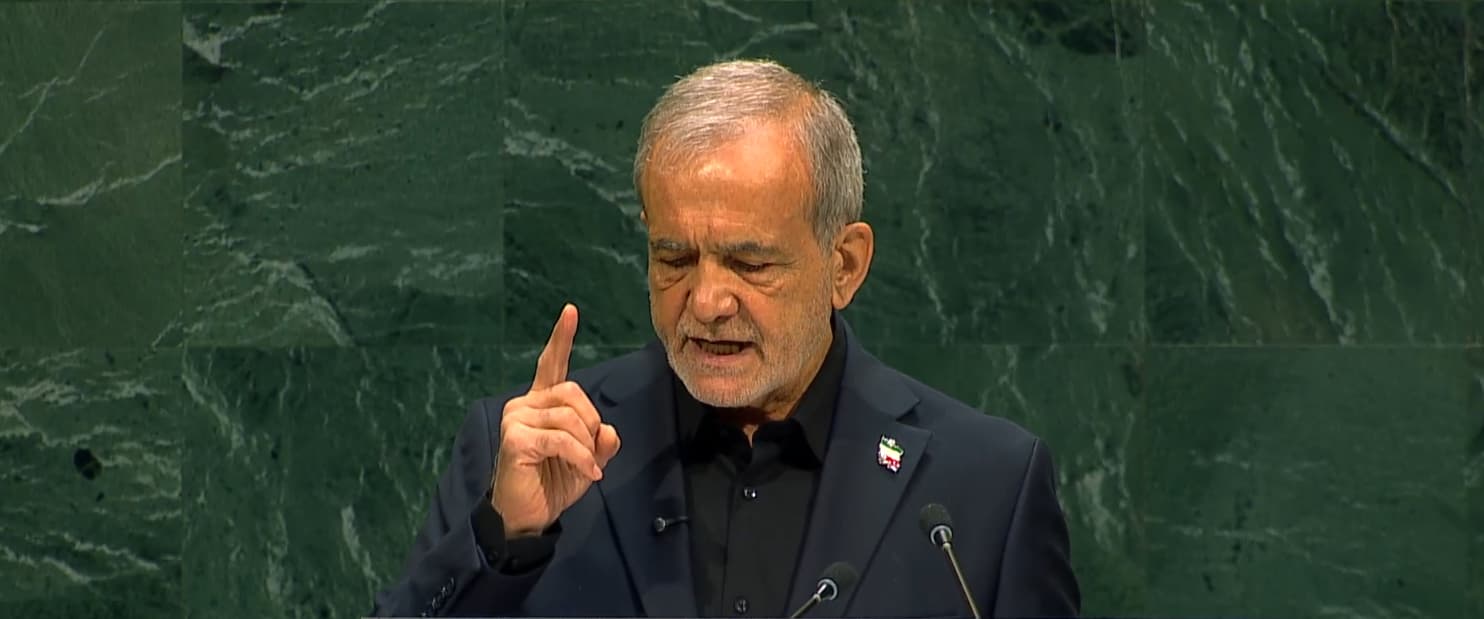
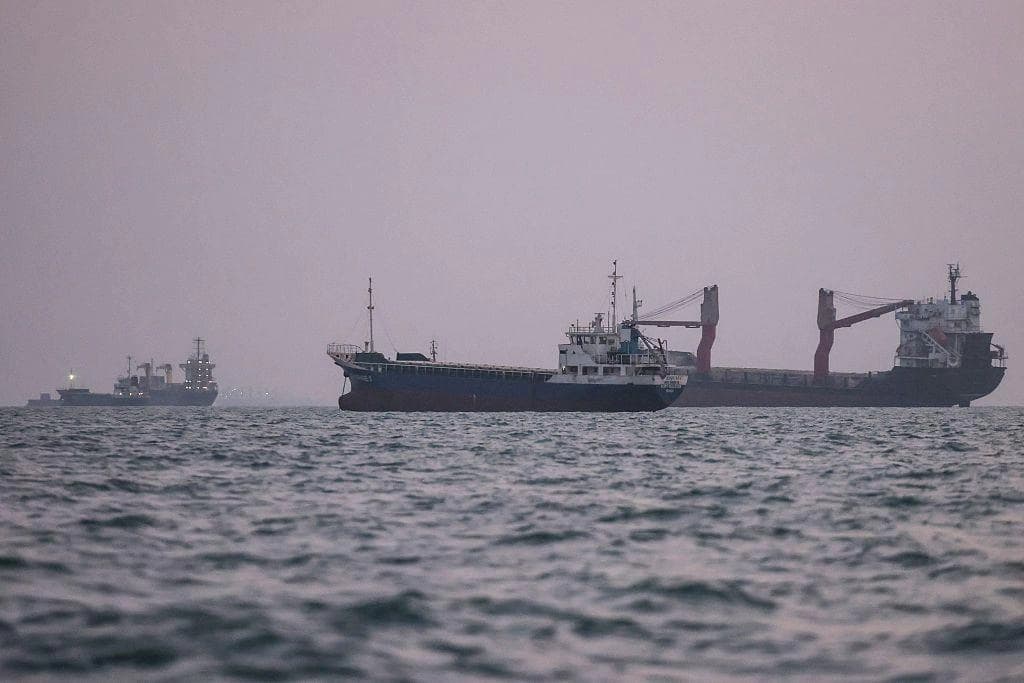
ERBIL, Kurdistan Region - Tehran will not allow countries to profit off the Strait of Hormuz as long as the waterway remains the source of its instability, Iranian President Masoud Pezeshkian stated Wednesday, expressing readiness to resume stalled negotiations with the US without “the language of force.” “We cannot allow some [countries]to have free access [to the Strait of Hormuz] and gain their interest from a waterway” that is used to impose “aggressions and insecurity” upon Iran, Pezeshkian said, addressing world leaders at the 81st United Nations General Assembly (UNGA) in New York City. Pezeshkian's statement comes after US President Donald Trump speculated on Tuesday that the fluctuating tensions might come to an end after the midterm elections in early November. “I believe we’ll make a deal, right after the election,” said President Trump in his UNGA address, noting that he is not running in the upcoming midterm elections. “Will a deal be made with Iran that lets them rebuild and create a far greater country than it ever was before,” mulled Trump, “or do I annihilate the Islamic Republic and do it quickly… with no chance of survival and no hope.” Pezeshkian tacitly stated in his speech that “Iran must be understood by Mr. Trump and those who seek to bully us” that they “are ready for dialogue, diplomacy, and negotiations without accepting the language of force.” His remarks follow a reported meeting between Iranian Foreign Minister Abbas Araghchi and US Special Envoy Steve Witkoff on the sidelines of the UN session. According to Iranian state media, Araghchi delivered Tehran’s “firm stance” to ease restrictions in and around the Strait of Hormuz that included “an immediate lifting of the naval blockade, the immediate release of all frozen Iranian assets, and an end to the war across all fronts of the [Iran-led regional] resistance movement.” Witkoff announced early Wednesday in a post on X that his team “engaged in lengthy talks with the Iranian delegation” and "successfully completed a round of discussions” that he hoped will be “constructive and promising” and that “the mediators will continue their work.” Esmaeil Baghaei, Iranian foreign ministry spokesperson, indicated on Wednesday that the meeting was facilitated by “Qatari immediateties" and lasted “approximately two hours.” “Iran's positions and conditions for reviving diplomacy in a manner that leaves no doubt or ambiguity and provides no excuses or pretexts for any party were conveyed to the American side,” Baghaei said in a post on X. The meeting marks the first diplomatic encounter between the two adversaries since June, when resumed negotiations culminated in the Islamabad Memorandum of Understanding (MoU). The MoU served as a preliminary framework that extended the shaky ceasefire signed in April by 60 days during which Washington and Tehran were expected to reach agreements on thorny issues, including the Strait of Hormuz. Hostilities have continued, however, culminating into two respective rounds of strikes and counterstrikes in July and late August, with both sides engaging in tit-for-tat restrictions in and around the Strait of Hormuz. The US blockade on Iranian southern ports in mid-July remains in effect, with Trump describing it on Tuesday as a “wall of steel” against passing Iranian ships. Trump stated in his speech that the US Navy has escorted around one billion barrels of crude oil out of the strait, a figure cited earlier by US Central Command, who stated they have redirected 110 ships leaving or entering Iranian ports since the mid-July blockade.
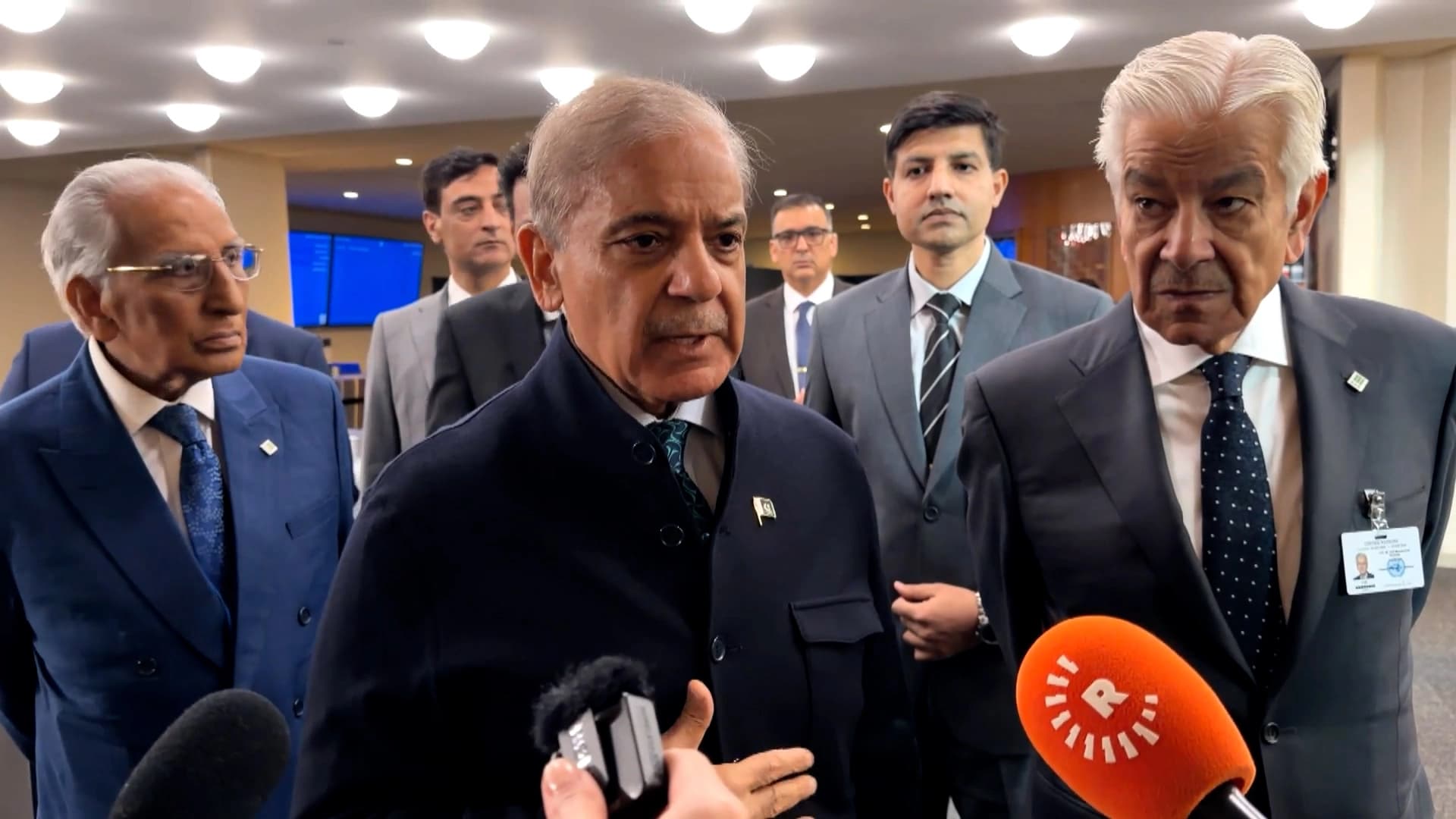
Middle East23-09-2026Pakistan remains hopeful, 'focused' on easing US-Iran tensions, PM Sharif tells Rudaw