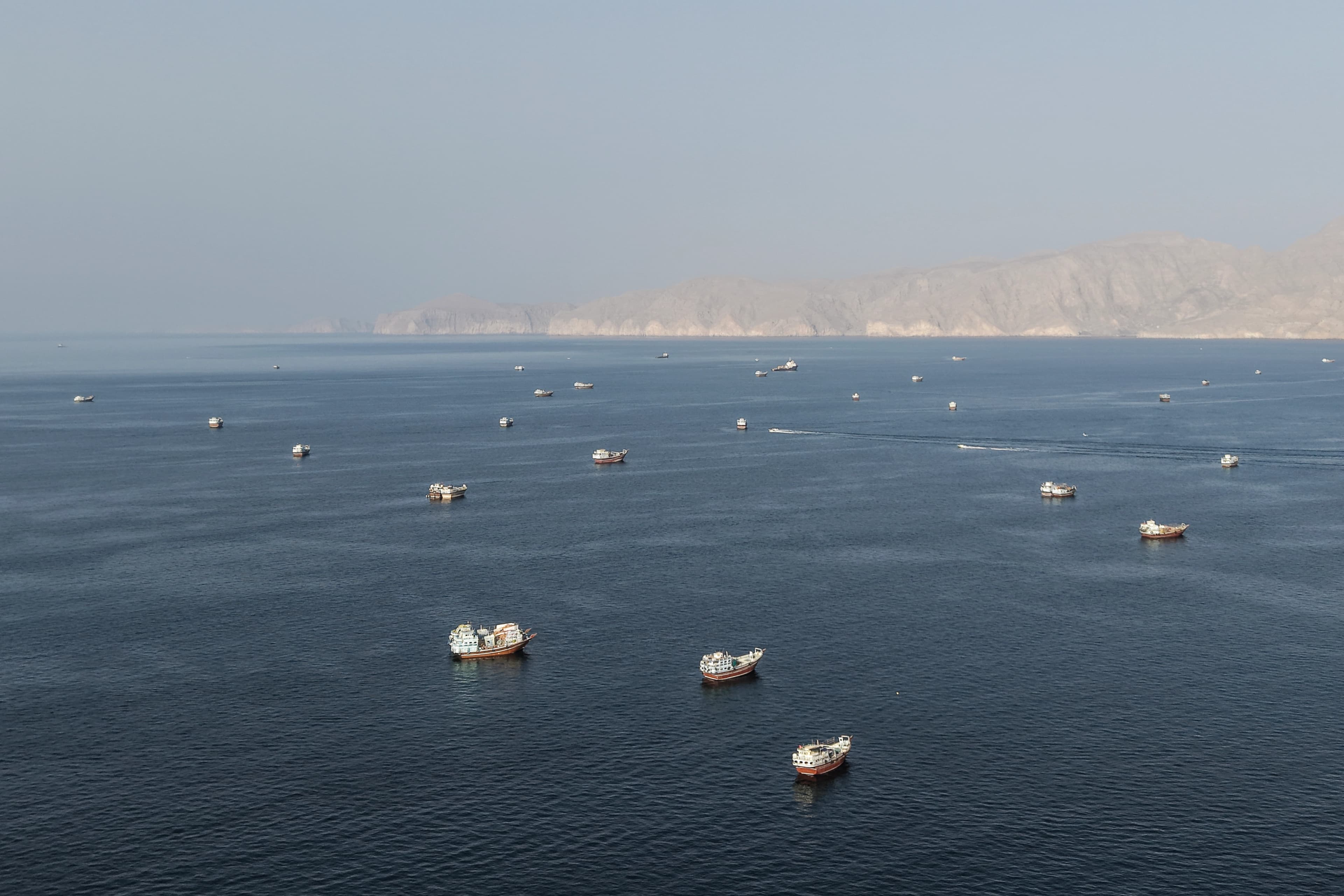

ERBIL, Kurdistan Region - A tanker was struck by an unidentified projectile while sailing outbound through the Strait of Hormuz, sustaining damage to its port side, the United Kingdom Maritime Trade Operations (UKMTO) said Sunday, as tensions between Washington and Tehran persist despite ongoing diplomatic efforts.
UKMTO’s Company Security Office (CSO) reported a tanker sustained damage to its portside after it was hit by an unidentified projectile as it was transitioning outbound.
“All crew members were reported safe, and no environmental impact was reported at the time of the attack,” UKMTO said, adding that authorities were investigating the incident.
The incident comes as US officials have intensified their rhetoric against Tehran, with Washington accusing Iran of pursuing nuclear weapons and Iran insisting that it maintains control over the Strait of Hormuz.
US Ambassador to the United Nations Mike Waltz said Sunday that Iran’s nuclear activities demonstrated its pursuit of a nuclear weapon, adding that President Donald Trump would bring that effort to an end.
“There is no country in the world that has to enrich to weapons-grade that isn't pursuing a nuclear weapon that supposedly just wants civilian power,” Waltz told Fox News.
“There’s no country in the world that buries it [nuclear facilities] under hundreds of feet of solid granite,” he added.
Waltz also highlighted Washington’s economic pressure on Tehran, saying Treasury Secretary Scott Bessent “has his foot on the neck of the Iranian economy,” with “no oil going out,” a weakening currency and depleted foreign reserves.
He dismissed Iran’s latest diplomatic overture, saying Tehran had attempted to reach a deal on the sidelines of the United Nations General Assembly.
“They have already tried under the UN General Assembly to come back and offer a deal, but it was a garbage deal and President Trump doesn't take bad deals,” Waltz said. “He is going to end this regime's pursuit of a nuclear weapon.”
The proposal, presented during the United Nations General Assembly in New York in late September, called for the United States to lift its blockade on Iranian southern ports and release frozen Iranian funds in exchange for Tehran reopening the Strait of Hormuz within seven days while negotiations continued.
Tehran, meanwhile, has continued to assert its authority over the waterway. Iran’s state broadcaster IRIB quoted Major General Rezaee, secretary of the Supreme National Security Council, as accusing Trump of resorting to smuggling operations in the Strait of Hormuz.
“Every day he claims that the Strait of Hormuz is open, but in response, I say: You are smuggling, but the Strait is under Iran's control, and we are the ones managing it,” Rezaee said.
He also warned that previous powers that had attempted to conquer Iran had ultimately ended up in the “dustbin of history,” according to IRIB.
The latest exchange of accusations comes as indirect negotiations between Washington and Tehran continue through regional intermediaries, with the Strait of Hormuz emerging as a central point of contention.
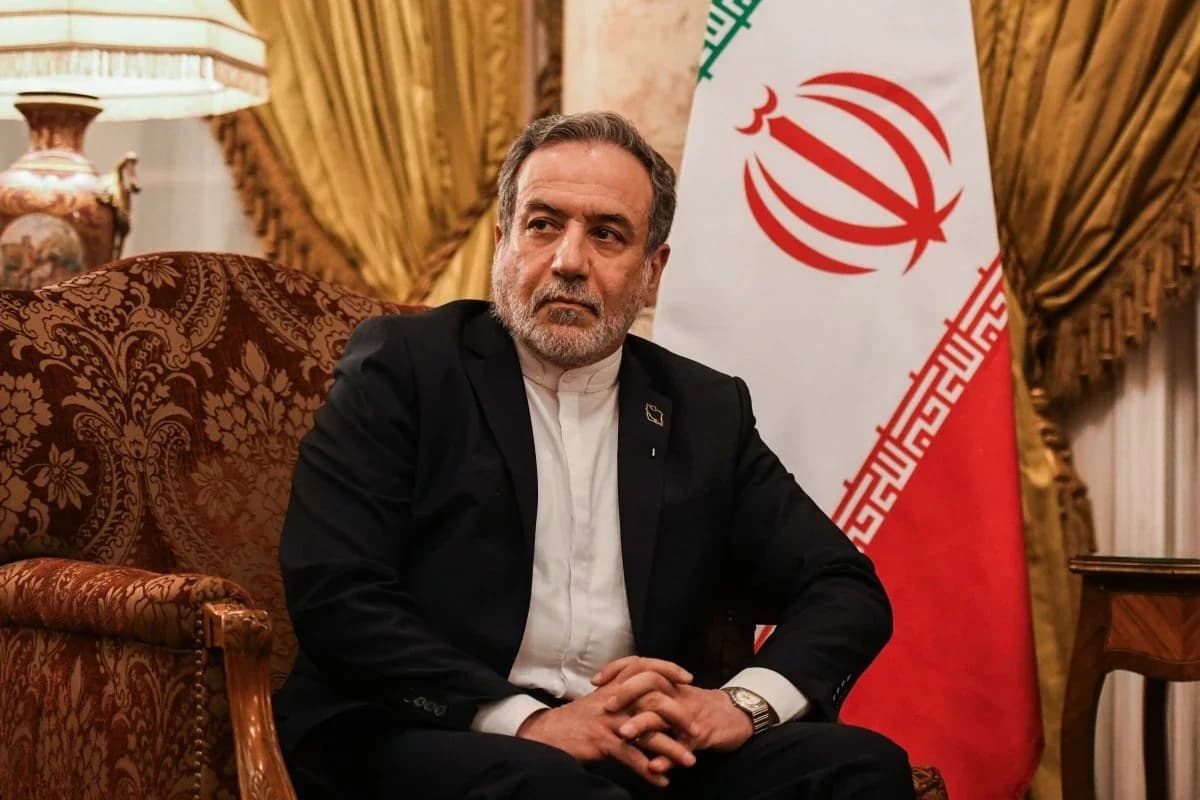
Iranian Foreign Minister Abbas Araghchi said Thursday that Tehran could respond within days to the latest US proposal, as indirect negotiations between the two countries continue through intermediaries.
“The negotiation process continues and messages are being exchanged through intermediaries,” Araghchi said during a press conference, according to the state-run Islamic Republic News Agency (IRNA).
“We presented our proposal under the title of a seven-day plan and heard the views of the Americans in return; we are currently reviewing them, and I think we will respond within a few days,” he added.
US-based Axios reported Thursday, citing US officials, that the Pentagon had instructed US Central Command to complete preparations for resuming major combat operations against Iran. The report noted that no specific date had been set for potential strikes and that Trump had not made a final decision.
The Strait of Hormuz is one of the world's most critical energy transit routes, carrying roughly one-fifth of global oil and liquefied natural gas shipments before the US-Israeli war with Iran began on February 28.
Washington imposed a blockade on Iranian southern ports on July 14 and has maintained that it will lift the restrictions only if Tehran stops attacking vessels transiting the strait. Iran, meanwhile, claims control over the strategic waterway and has sought to use that leverage in negotiations.