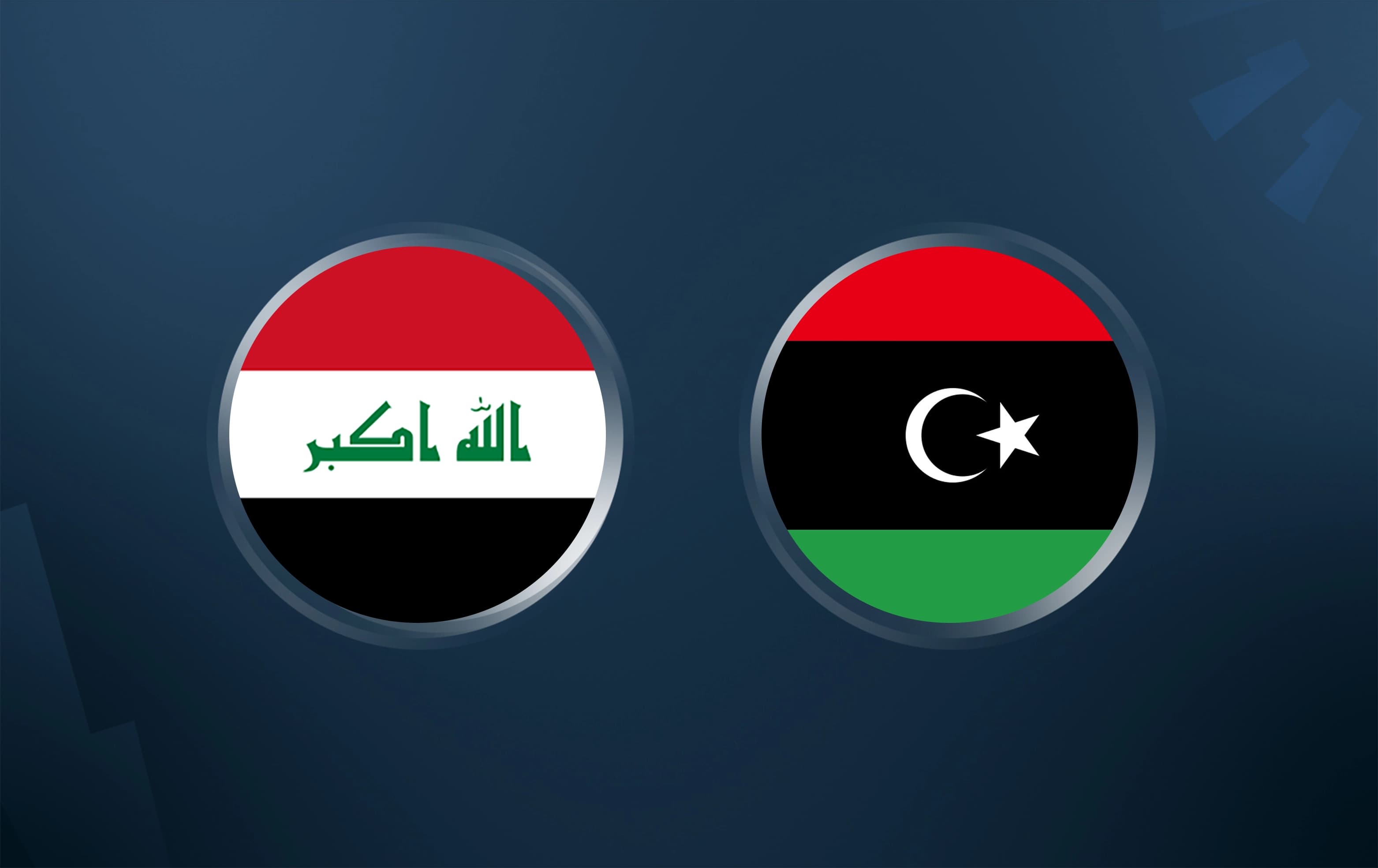

ERBIL, Kurdistan Region - Intelligence shared by Baghdad with Libyan authorities helped foil an attempt to smuggle 1.2 million Captagon pills in Libya and led to the arrest of a Libyan suspect, Iraq’s Interior Ministry said Sunday, highlighting growing cooperation against cross-border drug trafficking.
A team from Iraq’s General Directorate of Narcotics and Psychotropic Substances Affairs, in coordination with Libya’s National Anti-Narcotics Agency, carried out the operation “based on Iraqi intelligence data,” the ministry said.
The directorate’s International Coordination and Cooperation Department collected intelligence and shared it with Libyan authorities, allowing both sides to develop a joint plan and coordinate its implementation.
“The operation reflects the effectiveness of international coordination in pursuing cross-border drug networks,” the statement said, adding that intelligence sharing helped distrust smuggling activities and cut off trafficking routes.
Iraq has expanded its cross-border efforts to track down drug trafficking networks. A 2024 report by the United Nations Office on Drugs and Crime (UNODC) described the country as a “conduit” in a drug-trafficking network linking Southwest Asia, the Arabian Peninsula and Europe.
On September 20, a joint operation by Iraqi and Kuwaiti anti-drug authorities resulted in the seizure of 700,000 Captagon pills and the arrest of two suspects, including an Iraqi national, in Kuwait’s Kabd area.
In late August, Iraq’s interior ministry announced that it had dismantled 54 international trafficking networks in 21 operations carried out abroad, in addition to issuing 43 international arrest warrants. The ministry said it had secured 69 death sentences and 267 life terms out of 4,644 drug-related convictions since the beginning of 2026.
Iraq has also bolstered anti-drug cooperation with Syria along their roughly 600 kilometer-long shared border. By mid-2025, cooperation had expanded to include cross-border raids targeting drug trafficking networks supplying Iraq and Gulf markets.
Joint Iraq-Syrian operations have led to the seizure of more than five million Captagon pills since the beginning of 2026, according to figures reported in June.
Syria was a major producer of Captagon under the rule of deposed president Bashar Assad, with his brother Maher widely accused of involvement in the illicit trade.