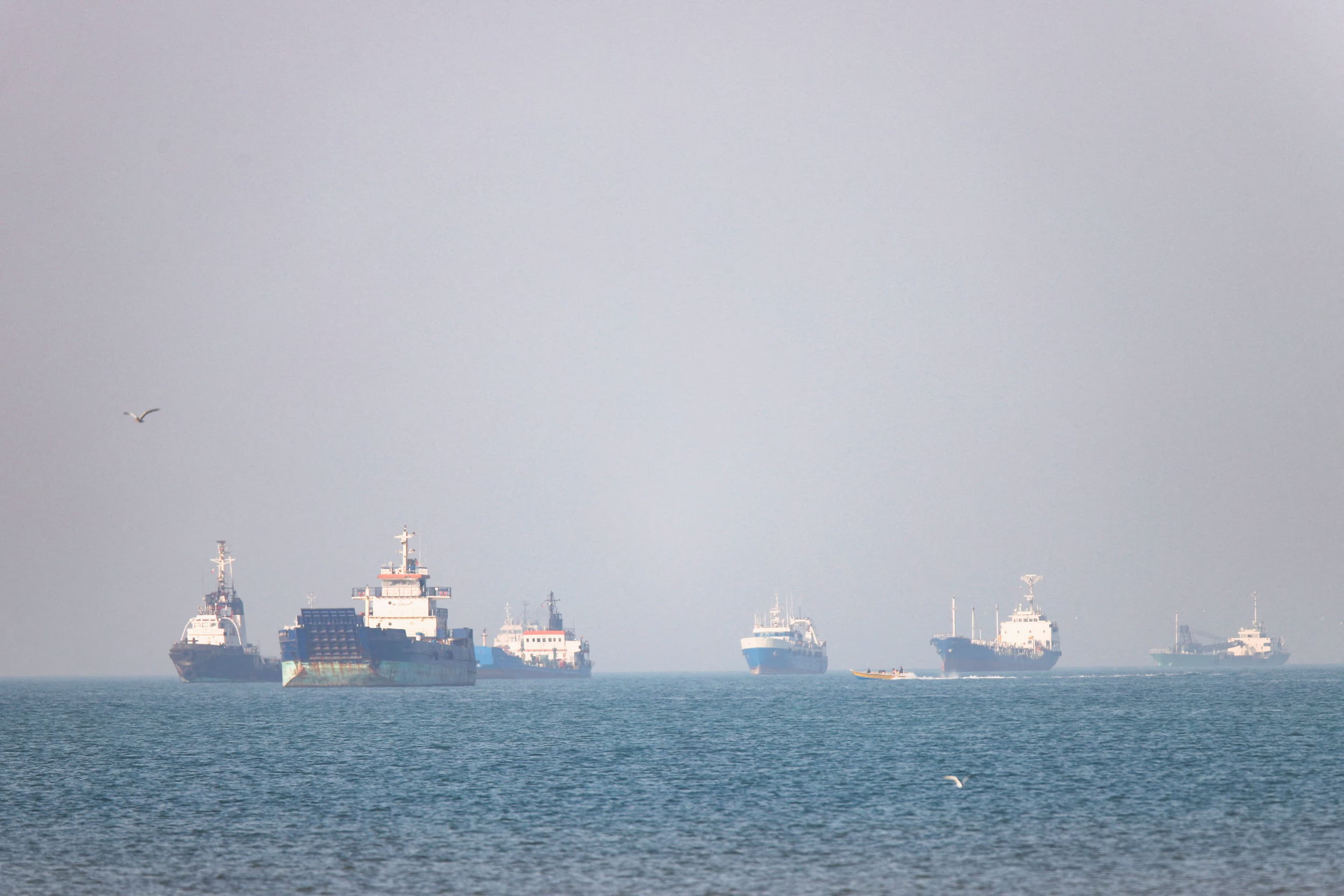

ERBIL, Kurdistan Region - US forces have assisted regional partners in shipping over 100 million barrels of crude oil through the Strait of Hormuz over the past week as 400 merchant ships navigated the waterway, the US Central Command (CENTCOM) announced on Friday, amid its ongoing blockade on Iranian ports.
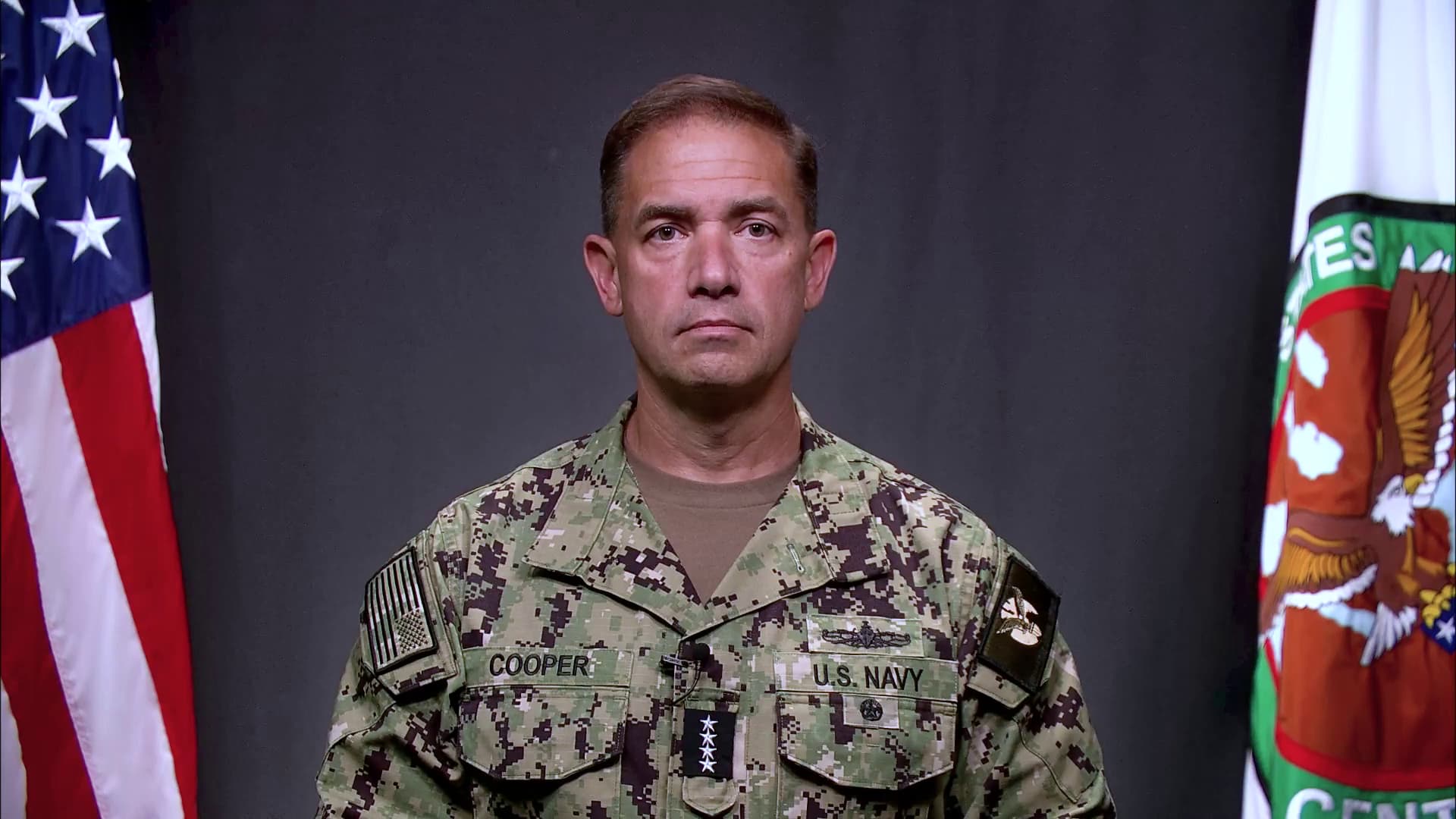
"Over the last seven days alone, about 400 merchant ships have sailed through the Strait," said CENTCOM commander Brad Cooper in a video message shared on X, adding that US forces "assisted Gulf partners in shipping over 100 million barrels of crude oil during the same period."
Cooper noted that the volume adds to the "1.3 billion barrels of crude we have helped regional allies ship through the Strait in recent months."
The Strait of Hormuz is one of the world's most critical energy corridors, carrying roughly one-fifth of global oil and liquefied natural gas shipments before the US-Israeli war with Iran that began in late February.
Washington reinstated a blockade on southern Iranian ports in mid-July, stating that restrictions would only be lifted if Tehran ceased targeting transit vessels, while Iran has sought to leverage its contested control of the waterway in talks with the US.
Cooper explained that in recent months, CENTCOM and American interagency partners have targeted the Islamic Republic and the Islamic Revolutionary Guard Corps (IRGC) across three key sectors: petroleum exports, digital assets, and payroll for security personnel.
According to the commander, joint efforts have blocked Iran from exporting a minimum of $25 billion worth of crude oil to date.
CENTCOM has additionally aided partner agencies in seizing nearly $350 million in cryptocurrency holdings, which Cooper stated has limited Iran's capacity to finance operations or rebuild targeted industrial and weapons facilities.
The commander said compounding economic measures have forced Iranian authorities to suspend salaries, pension disbursements, and standard employee benefits across several industries, including energy, manufacturing, construction, domestic security, and the IRGC.
Cooper added that, as a result of this mounting pressure, Tehran-backed regional armed groups are also failing to disperse wages to their own forces.