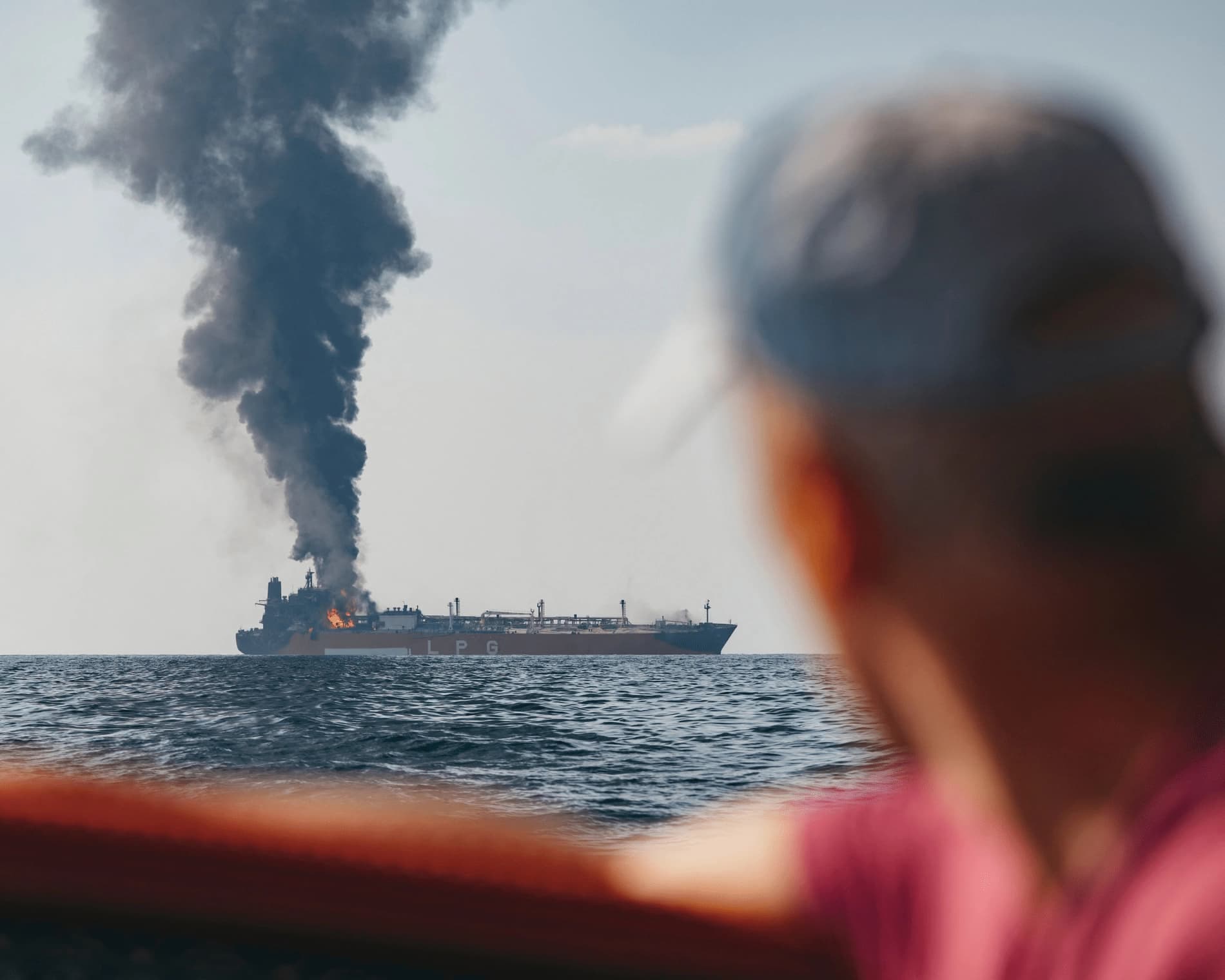

ERBIL, Kurdistan Region - Iran’s Islamic Revolutionary Guard Corps (IRGC) said Saturday that two more oil tankers had suffered explosions and caught fire near the Strait of Hormuz, amid mounting attacks on commercial shipping and soaring insurance and freight costs.
The IRGC Navy said one tanker struck a naval mine near the entrance to Oman’s Khasab port, while another suffered an explosion and caught fire in the eastern Strait of Hormuz.
The latest incidents come amid diplomatic efforts by regional mediators to de-escalate tensions between Tehran and Washington, with both sides continuing to target vessels despite efforts to reach an agreement. The continued military confrontation has deepened instability in the Gulf, disrupted global energy markets and raised fears of a broader escalation.
Both tankers had allegedly switched off their tracking systems in an attempt to transit the strategic waterway through routes not authorized by Tehran, according to a statement carried by the state-run IRNA news agency.
The IRGC warned that US military air support would not protect commercial vessels against naval mines. It did not identify the tankers or provide information about potential casualties.
The IRGC’s claim has not been independently verified.
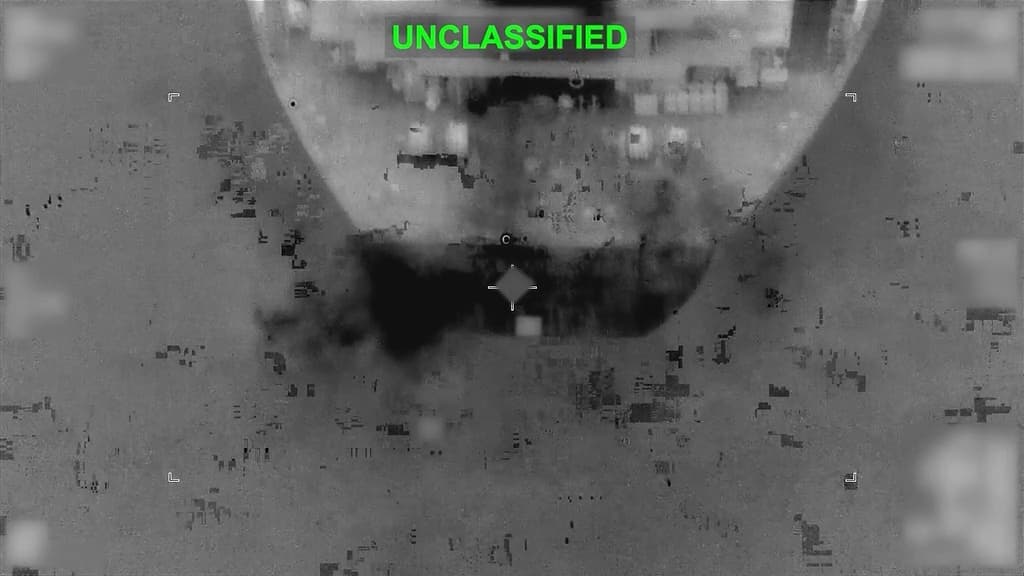
On Friday, US Central Command (CENTCOM) announced that it had disabled another commercial vessel, the Palau-flagged M/V Pacific Archer, in the Gulf of Oman on Thursday after it attempted to breach Washington’s naval blockade of Iran.
US forces have redirected 158 commercial vessels and disabled six since the blockade resumed in July, bringing the total number of vessels disabled since April to at least 15.
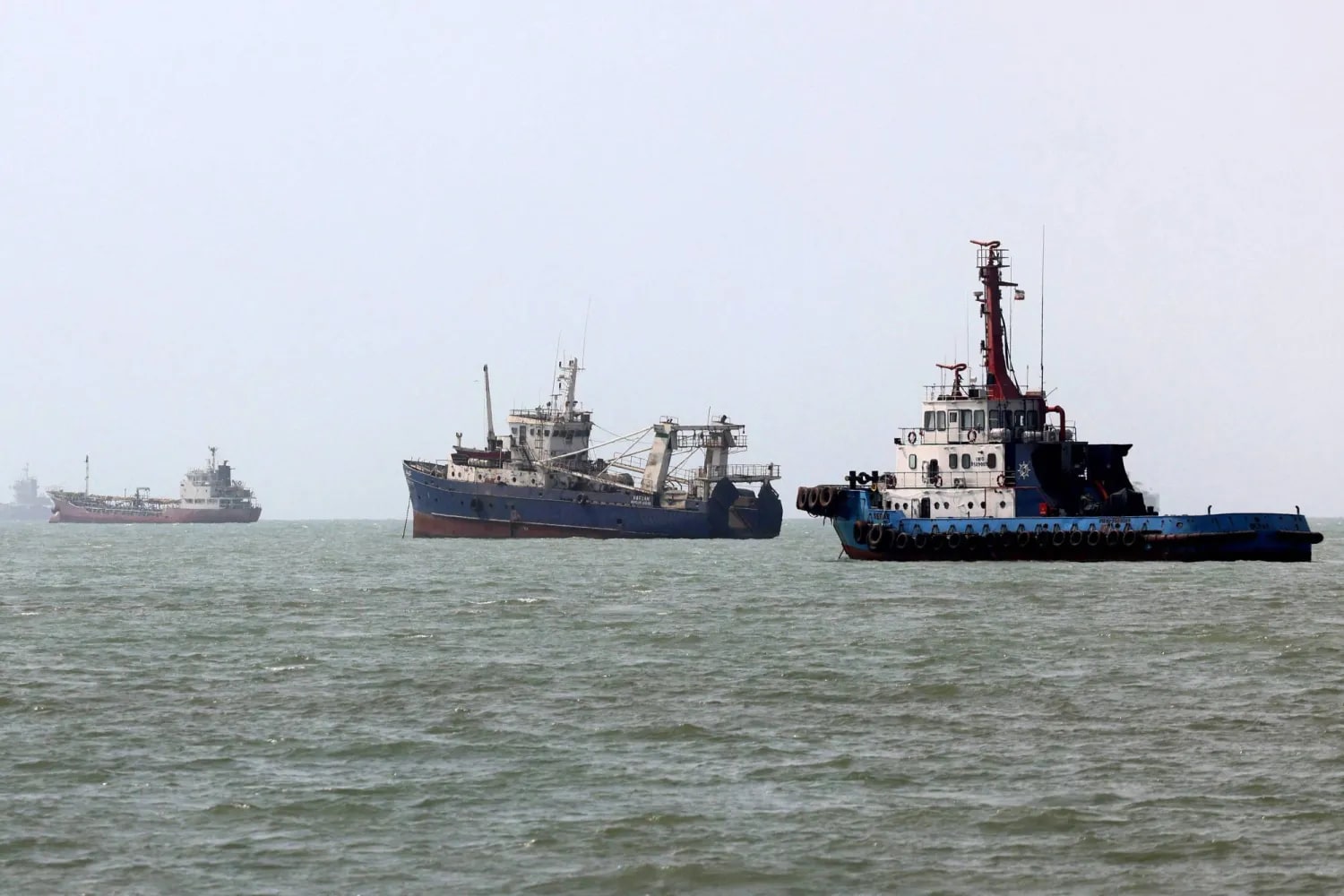
The increasing frequency of attacks by the IRGC on commercial shipping has further disrupted traffic through the Strait of Hormuz, which handled roughly a fifth of global oil supplies before the war erupted on February 28.
The deteriorating security situation has also sent war-risk insurance premiums soaring. Insurance broker Aon said earlier this month that premiums for a single voyage could exceed $10 million for a large tanker.
The cost of chartering tankers has also surged, with shipping industry publication Lloyd’s List reporting earlier this week that tanker rates were rising again as traffic through Hormuz faltered.