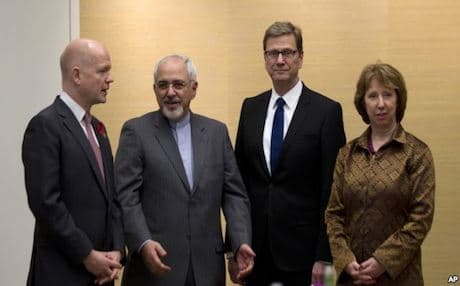

LONDON - In a high-ceilinged, wood-panelled room named for four-term British Prime Minister William Gladstone, diplomats and analysts gathered in London to discuss the future state of Iran’s foreign relations.
The South Asia and Middle East Forum sponsored the meeting at the House of Commons. Together Brits, Americans and Russians, spoke to a multinational crowd of think tankers, private institutes, trade organizations and more.
On the back of a recent visit by Britain’s first diplomatic envoy to Iran in decades, the mood was one of cautious optimism, combined with a slowly-slowly approach towards a further lifting of sanctions and an eventual final agreement on nuclear non-proliferation.
Jack Caravelli, an ex-advisor to former US President Bill Clinton and one-time advisor for nuclear non-proliferation, spoke of three key relationships to watch as indicators of progress.
-Iranian President Hassan Rouhani’s domestic dialogue with conservative, hard-line critics
-US government with Iranian government
-US government with Congress and the Israel/Jewish lobby
Caravelli believes the US is short-sighted for failing to restore diplomatic ties with Iran, “In my view,” he said, “it’s at this point, folly that the US does not have a diplomatic relationship with Iran. You don’t just talk to your friends.”
Beyond the US’s interests, representatives from most of the BRICS (Brazil, Russia, India, China) nations were present, proving that everyone wants a stake in energy-rich Iran’s future foreign policy.
A Chinese delegate questioned why she was the only Chinese person in the room, while a Latin American voiced concern about Brazil and Argentina not getting a strong enough voice. Everyone, it seems, wants a piece of the pie.
Yet, with the recent news of the Iranian government’s estimated 80-95 executions this year alone, many questioned any further easing of sanctions until human rights issues are addressed.
British MP Sir Nick Harvey spoke of the sanctions as a crucial pre-requisite to opening a dialogue about human rights abuses.
“We must play a long game. We must have strategic patience. Addressing human rights abuses will have to be part of the process.” Yet, Harvey also pointed out that any expectations of a complete about-turn would be fantasy. “The West does business and has diplomatic ties to many countries who abuse human rights,” he noted.
Patrick Mercer, another British MP with a strong background in security and defence, suggested human rights will play a tactical role. “We must continue to use it as a lever with Iran, to say, if you wish us to be rational with you, you must be rational with your people.”
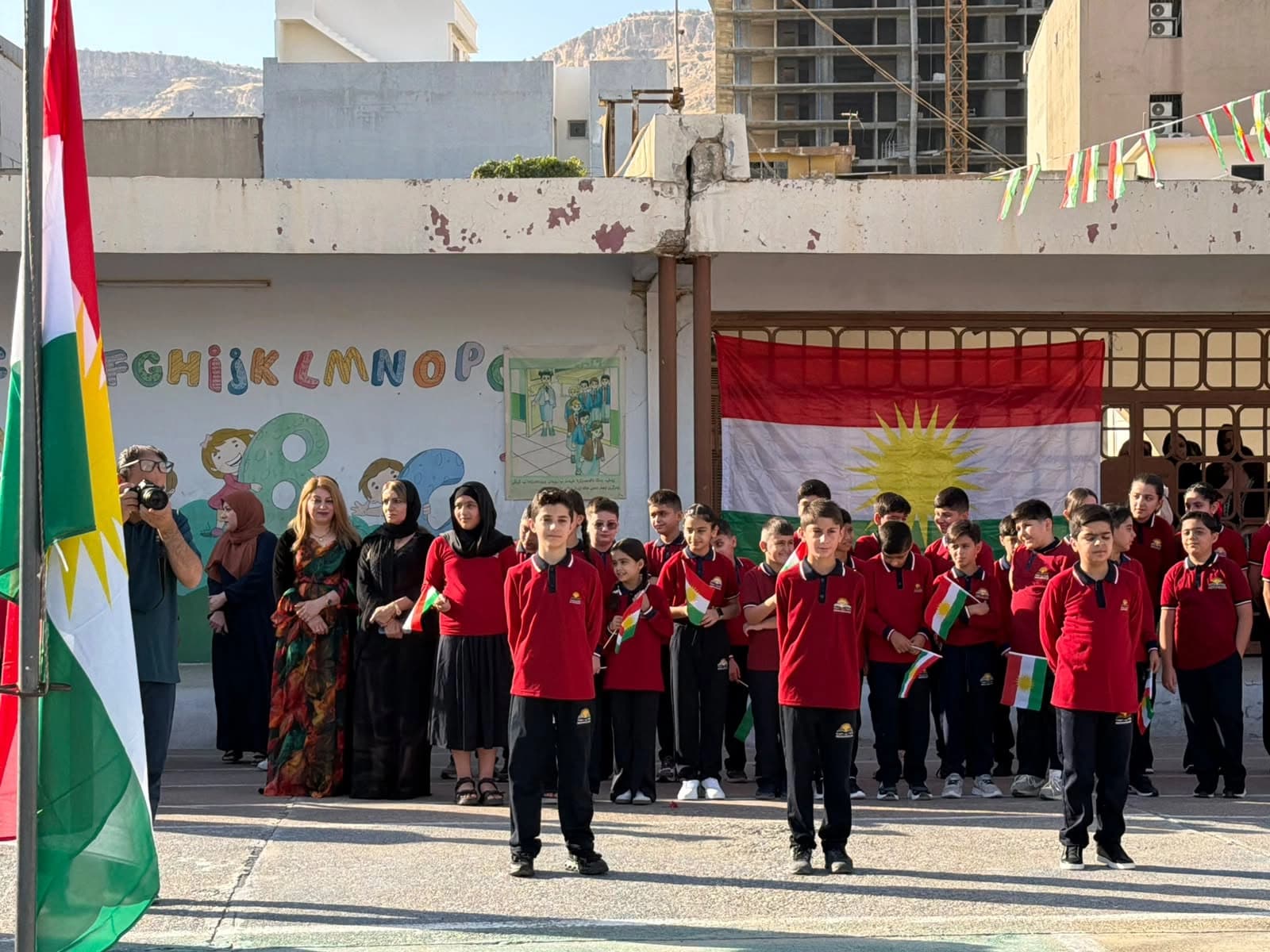
Part of that rational behavior, Jawad Malla, of the Kurdish National Congress says, is about personal and religious freedoms. “The most important element in Iran is Iran. People are forced to be Persian. Kurds are not allowed to send their children to Kurdish schools. Everyone must speak Persian.”
Panel members agreed that these freedoms, along with so many others, must be part of the conversation with Iran. But only once there is terra firma. After decades of an Iran alienated from much of the world, it is no wonder there is a rush to right all the wrongs, and a race to grease palms for the potentially lucrative contracts, as and when sanctions are lifted.
But with the rush comes risk. Young Iranians deeply distrust the West; a hangover that began in the 1970s with American and British support for the Shah and continued with the backing of Saddam Hussein in the Iraq-Iran war, compounded by the Iran hostage crisis, and topped off when former US President George W. Bush named Iran as a member of the “Axis of Evil,” a scarring title. Years later, the damage remains.
Both Mercer and Harvey suggest that the slowly-slowly approach must build trust as much as it seeks to impact the quality of life for average Iranians, from basic human rights to empowering them in their economy. A very real fear exists that the sole motivator for stabilizing relations with Iran is driven exclusively by the possibility of million-dollar deals, but with no accountability for improved living conditions. The only way to diminish that distrust, panellists warned, is by encouraging Iranians to take ownership in their economy as foreign companies develop business ties. Cooperation is the key to creating a stable, long-lasting commercial environment.
And, for the politicians treading carefully, one step in front of the other, a robust and credible final non-proliferation agreement will likely be the biggest piece of the puzzle.