ERBIL, Kurdistan Region - Syrian security forces seized 225,000 Captagon pills smuggled across the Lebanese border into Rural Damascus province, the country’s anti-narcotics directorate said Wednesday, days after officials discussed expansion efforts with the UN’s anti-drug agency.
“The Anti-Narcotics Branch in Rural Damascus, in coordination with the Border Guard forces, foiled an attempt to smuggle a massive shipment of narcotics coming across the Lebanese border,” the directorate stated on X, adding that the operation “resulted in the seizure of 225,000 Captagon narcotic pills, in addition to the arrest of the two individuals involved in the smuggling operation.”
The illicit narcotics were formally confiscated, and the suspects, identified only by their initials, M.H. and M.H., were referred to judicial authorities for further investigation and legal proceedings.
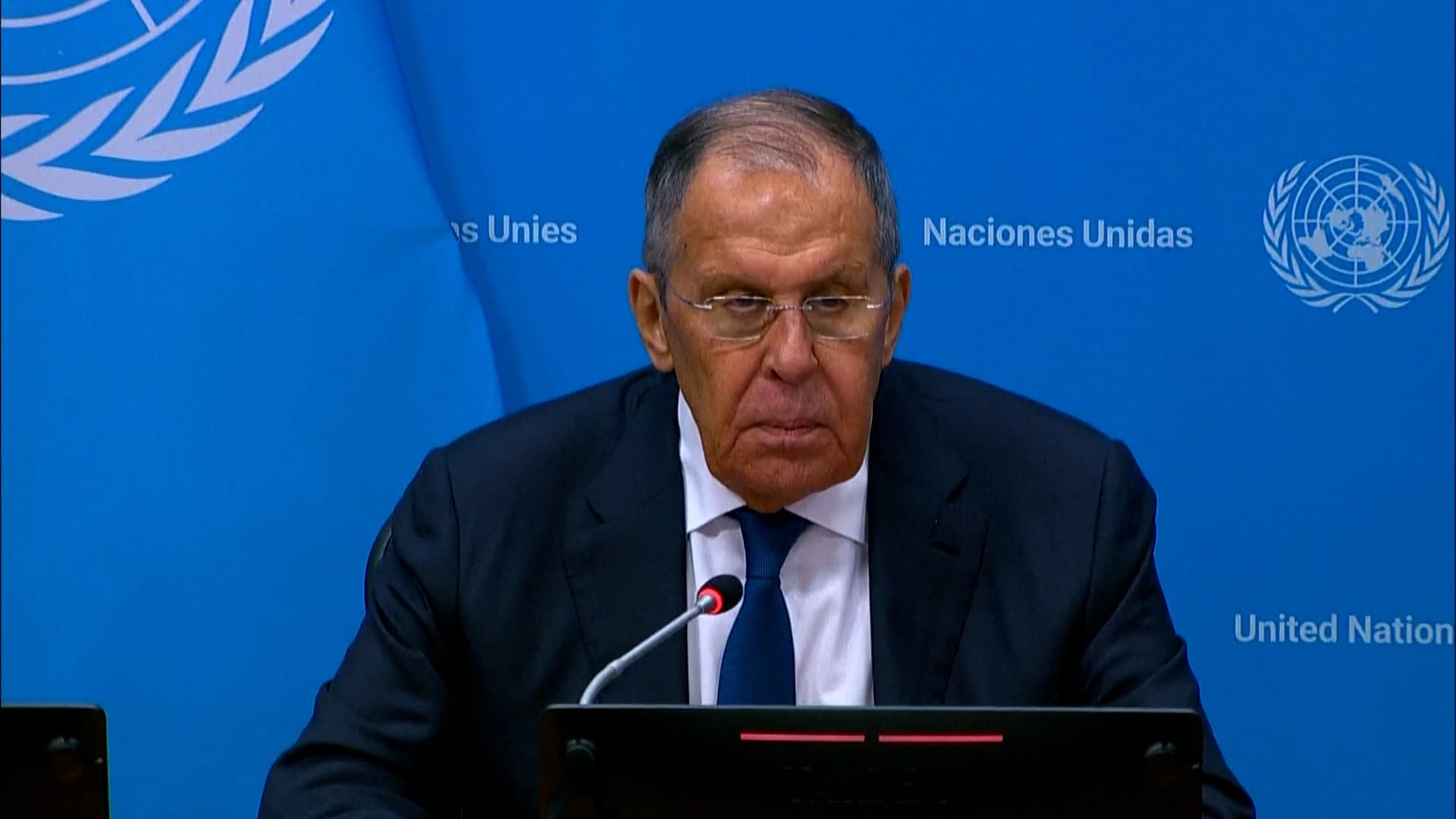
The seizure comes days after Syrian officials met with the director of the United Nations Office on Drugs and Crime (UNODC) Division of Operations on Sunday to discuss expanding technical assistance “toward programs tailored to Syria’s current national priorities and needs” on the sidelines of the 15th UN Congress on Crime Prevention and Criminal Justice, according to state-run Syrian Arab News Agency (SANA).
Captagon, an addictive amphetamine-type stimulant, has long fueled a regional public health and security crisis.
Under the regime of toppled dictator Bashar al-Assad, Syria became the world's primary hub for Captagon production and distribution. The trade served as a financial lifeline and political lever for the regime, with monitors and intelligence agencies widely pointing to Maher al-Assad, the former president’s brother and commander of the elite Fourth Division, as the industry's primary mastermind.
In late June, Syria’s interim President Ahmed al-Sharaa declared a wide-ranging war on drugs, aiming to dismantle the vast manufacturing and trafficking apparatus inherited from the former regime.
Marking the International Day Against Drug Abuse, Interior Minister Anas Khattab reaffirmed this commitment, pledging to "confront this dangerous scourge by all legitimate means to achieve a drug-free Syria."
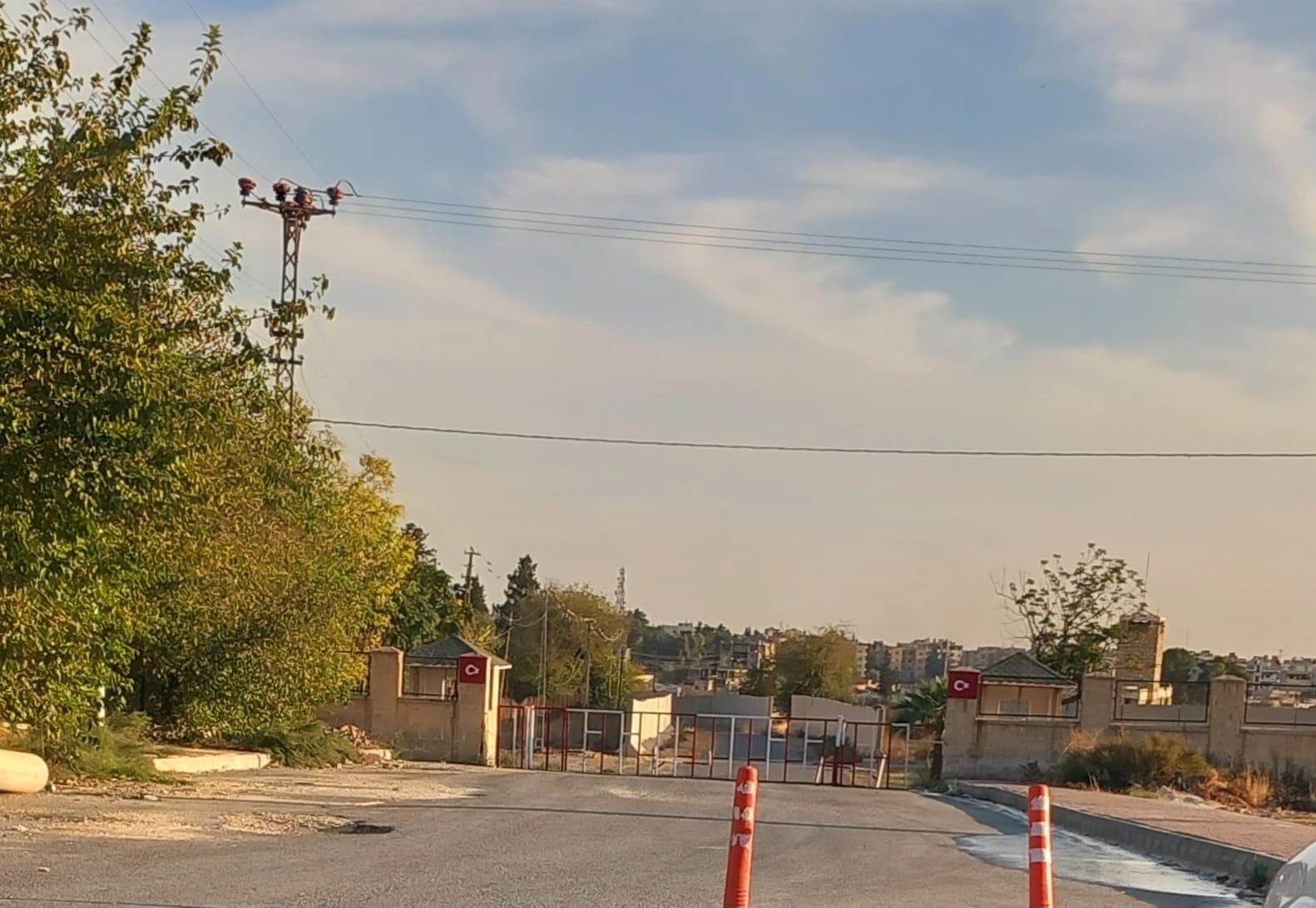
Curbing the cross-border flow remains a steep challenge, particularly along Rural Damascus’s extensive and porous western frontier with Lebanon.
The area has long been vulnerable to non-state actors, most notably the Lebanese Hezbollah, which has faced longstanding accusations of leveraging its cross-border infrastructure, rugged smuggling trails, and influence to facilitate the lucrative illicit drug trade despite heightened enforcement on both sides.
RELATED: Syria seized 31M Captagon pills in massive anti-narcotics crackdowns