ERBIL, Kurdistan Region - Syrian authorities say they are stepping up to evict occupants residing in homes belonging to internally displaced families from northeast Syria (Rojava) who are returning to their hometown of Sare Kani (Ras al-Ayn) after seven years of displacement.
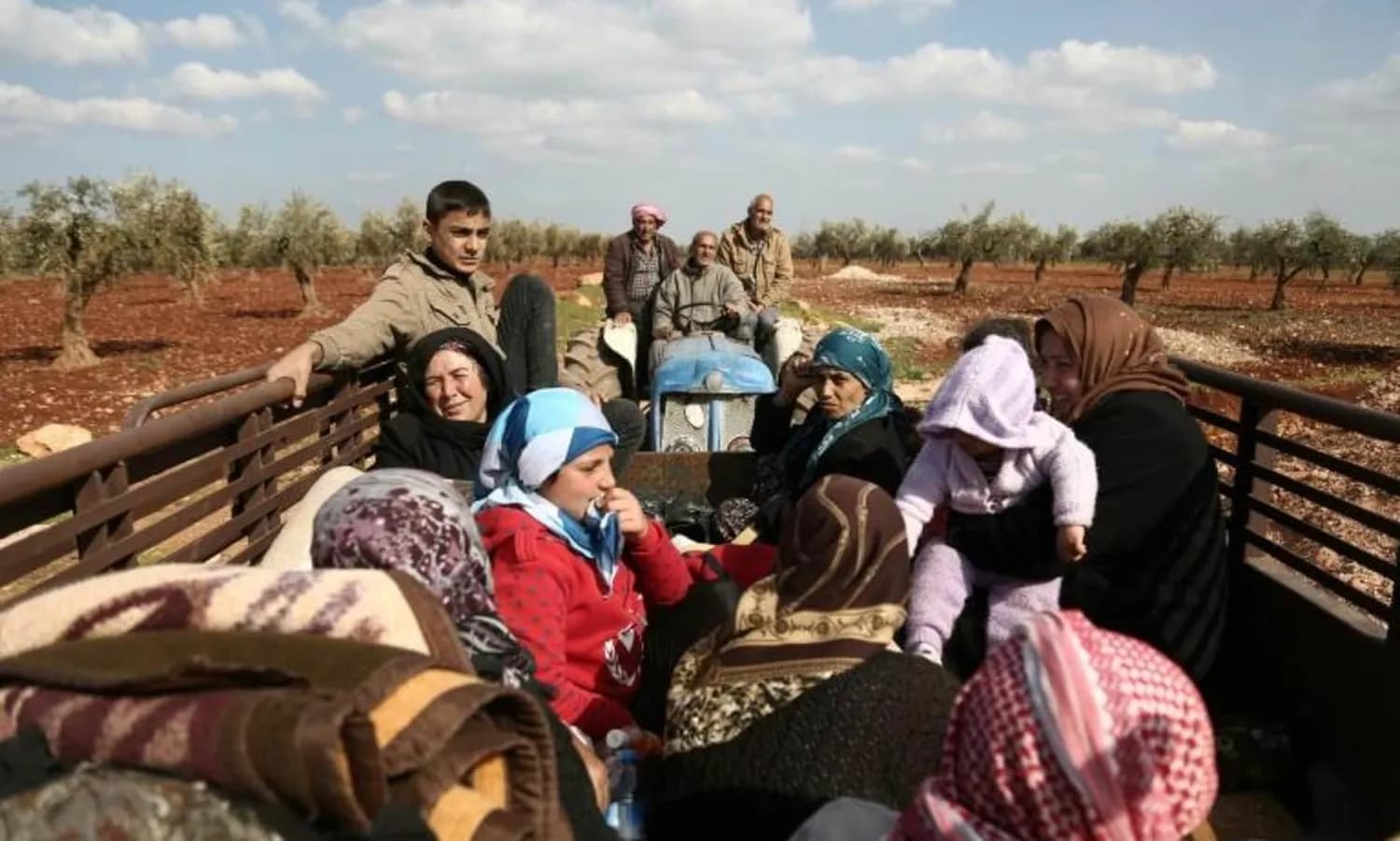
Under a January agreement between the Syrian government and the now-dissolved Kurdish-led Syrian Democratic Forces (SDF), hundreds of displaced families are returning to Sare Kani seven years after fleeing Turkish military offensives in 2019.
Despite the return, many claim they face severe challenges, including obstacles in reclaiming their properties. One Kurdish woman found her home occupied by squatters who refused to vacate.
“They are in our house. They say ‘we won't leave.’ Security forces are coming with us now, hopefully, they will leave,” Fatima Ahmed told Rudaw’s Viviyan Fetah on Wednesday. “We won't leave until he leaves. From what they said, he is from Deir ez-Zor.”
The returns are part of an integration agreement between the interim government in Damascus and Rojava authorities in late January after an internationally brokered ceasefire was reached between the SDF and Damascus-affiliated armed groups targeting Kurdish-controlled areas in early 2026.
“The Free [Syrian] Army came here, they started attacking us from here, and we fled running. We left our doors open and left our livestock and everything behind us,” said Zehra Wadhi.
“They came after us, looted the houses, and demolished them.”
The agreement allowed for the gradual integration of DAANES institutions - which governs the Kurdish enclave - into Syrian state structures.
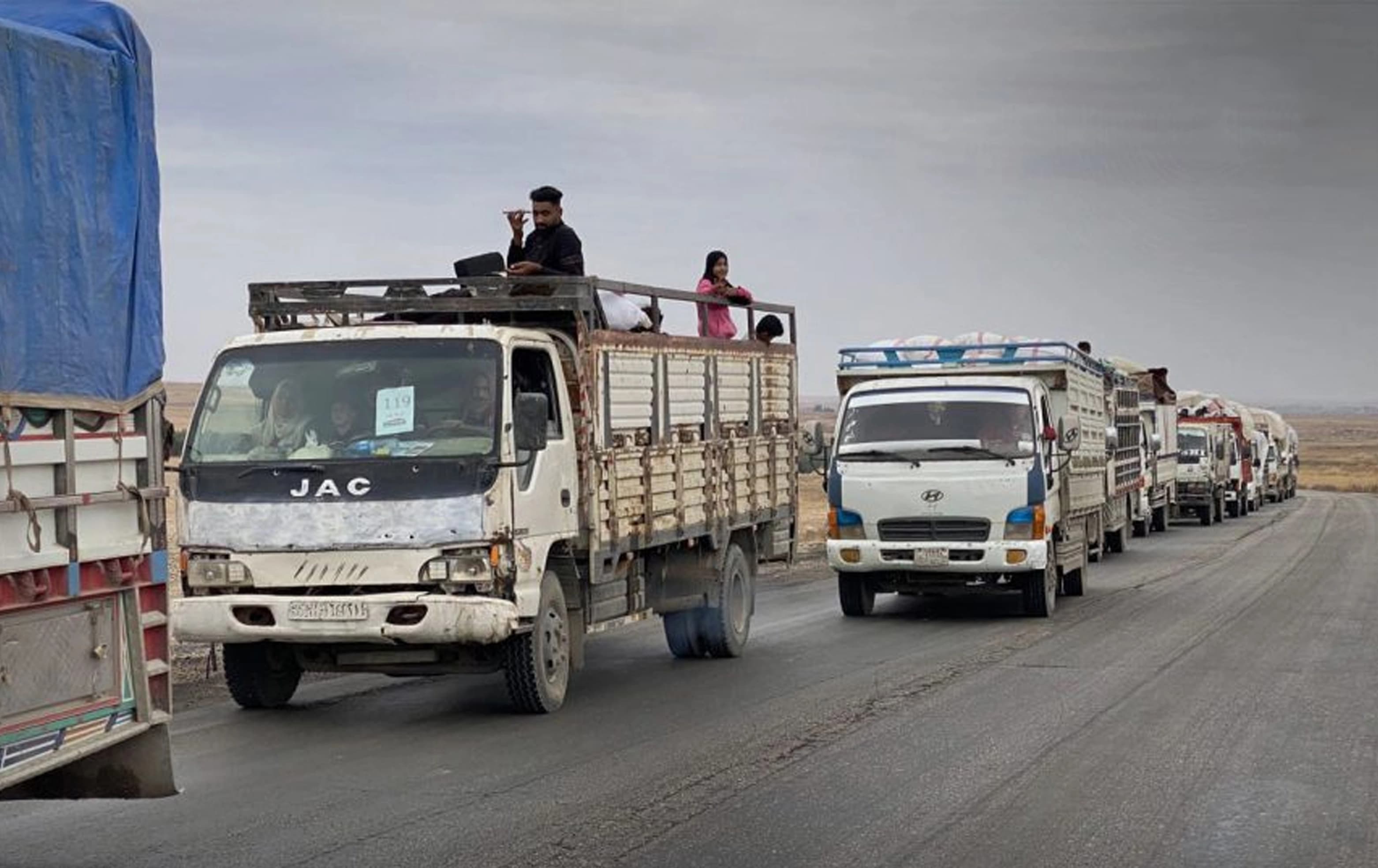
Six organized convoys have facilitated the return of 3,181 families since the program began in August, with the latest convoy on Wednesday with 645 families, according to the official figures.
The war monitor Syrian Observatory for Human Rights (SOHR) confirmed that Wednesday’s convoy included families departing displacement camps in Derik and other areas of Rojava, heading to their hometowns and villages around Sare Kani.
The returns mark another step in efforts to facilitate the return of displaced families from Sare Kani and its surrounding countryside during Turkey's 2019 military offensive against Kurdish-led forces in Rojava, which forced tens of thousands of residents, mostly Kurds, to flee their homes.
“We fled on October 28, 2019. We had to run away because of the attack and the war,” said Mahmoud Wadhi.
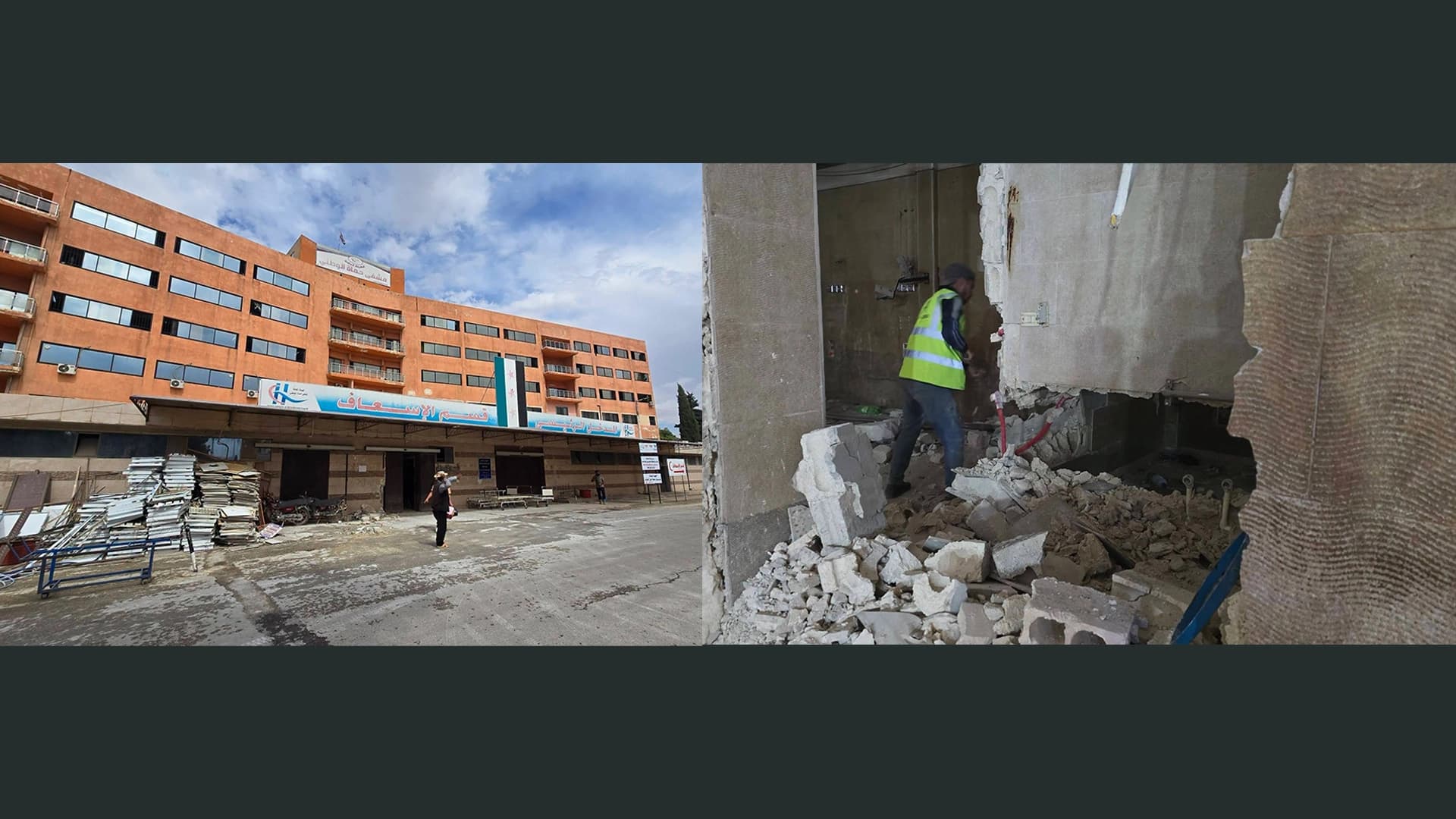
Despite the latest returns, widespread destruction of homes and infrastructure remains a major challenge for families attempting to rebuild their lives.
Mustafa Abdi, a member of the Syrian Presidential Team tasked with the implementation of the agreement, said that disputes are being referred to the Syrian Presidential Team to oversee the return process and evict illegal occupants.
“We have instructed a security official to negotiate and evict the occupants of houses that are occupied. A guard is then stationed at the door until the rightful homeowner arrives,” he said.