
ERBIL, Kurdistan Region - Nearly 500 students have enrolled in Kurdish degree programs at Turkey's universities for the new academic year despite limited employment opportunities for graduates, according to data obtained by Rudaw.
The data shows that 448 students have enrolled in bachelor's, master's and doctoral programs in the Kurmanji and Zazaki dialects of Kurdish at six universities, with most of the available places filled.
The figures were provided to Rudaw by the heads and officials of the relevant Kurdish departments at universities in Mardin, Diyarbakir (Amed), Mus, Bingol (Cewlig), Tunceli (Dersim) and Van.
Officials said higher minimum admission scores this year indicate growing demand for Kurdish language and literature programs, with some lecturers attributing the increase to the ongoing peace process between Ankara and the Kurdistan Workers' Party (PKK).
The peace process, which Ankara has branded as an initiative for a "terror-free Turkey," began in late 2024 and gained momentum when jailed PKK leader Abdullah Ocalan in February 2025 called on the group to disarm and dissolve.
The PKK subsequently announced its decision to disband, marking a major step toward ending a conflict that began in 1984 and has killed tens of thousands of people.
"The students who applied to the Kurdish department scored more than 300 points [out of 560], which means that interest in the Kurdish department is increasing. Interest in Kurdish departments and the Kurdish language has always been linked to the political situation," Nevzad Eminoglu, a lecturer at the Department of Kurdish Language and Literature at Mus University, told Rudaw's Ferdi Sak on Saturday.
"When the environment and atmosphere become clearer and a peaceful situation emerges, interest in the Kurdish language and Kurdish-language departments increases. This is because families want a stable situation so they can send their children to university and so that job opportunities become available to them," he added.
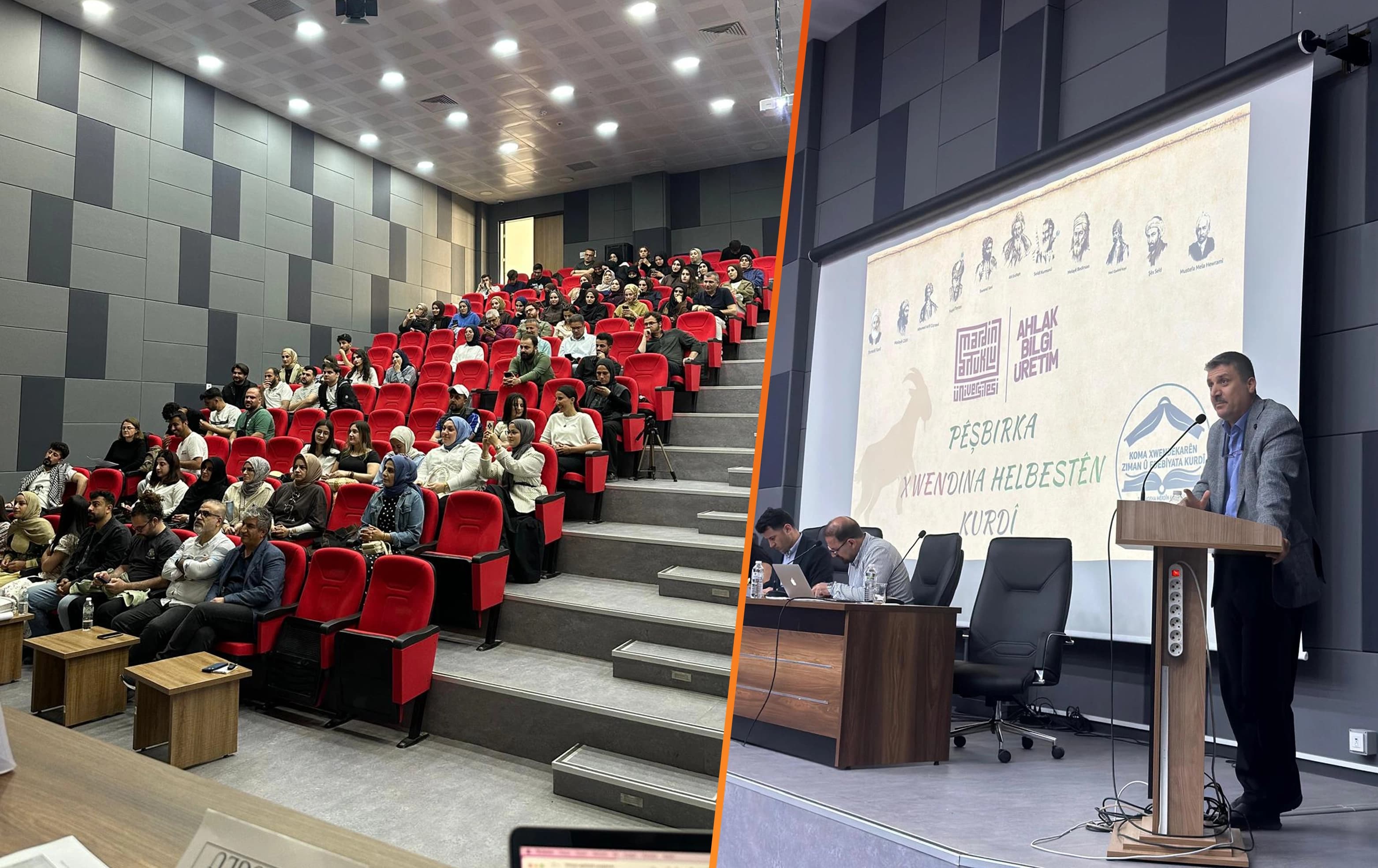
The development of Kurdish studies at Turkish universities dates back to 2009, when Mardin Artuklu University established its Institute of Living Languages, the first of its kind in Turkey. The university later became the first in the country to admit undergraduate students to a Kurdish Language and Literature program in the 2011-2012 academic year.
Other universities subsequently established Kurdish language and literature departments and postgraduate programs as restrictions on the public use and teaching of Kurdish were gradually eased.
Graduates of Kurdish departments can work in secondary schools as teachers of Kurmanji and Zazaki, which are offered as elective courses.
Turkey introduced Kurdish as an elective in middle schools in the 2012-2013 academic year, as Ankara was pursuing talks with the PKK. A formal peace process followed in 2013 but collapsed around two years later, triggering renewed fighting.
Kurdish is offered under the "Living Languages and Dialects" elective course rather than as a compulsory subject. Students or their parents must choose the course, and schools need sufficient demand and an available qualified teacher to open a class.
Employment, however, has remained one of the biggest challenges facing graduates of Kurdish departments.
Turkey announced 25,000 teaching positions in 2025, including 15,000 contractual teacher appointments for which the education ministry published a branch-by-branch breakdown. Just six of those positions were allocated to Kurdish-language teachers - five for Kurmanji and one for Zazaki.
Kenan Nado, a lecturer at the Department of Kurdish Language and Literature at Mardin Artuklu University, said the shortage of employment opportunities discourages some students from continuing their studies even after gaining admission.
“Quotas in Kurdish departments are being filled, but attendance remains consistently low. Many of the students who gain admission do not continue, and one major reason for this is the lack of employment opportunities," he said.
Nado said all 35 places allocated to the Kurdish program at the university this year had been filled, expressing hope that the renewed peace process would have a positive impact on Kurdish-language programs.