
ERBIL, Kurdistan Region - Turkey’s education ministry has allocated only 16 of its 15,000 new teacher training places to Kurdish-language teaching, drawing criticism from Kurdish educators who have waited years for government employment despite tens of thousands of students opting to study the language.
Of the 16 places announced on Friday for the 2026 intake, 15 were allocated to Kurmanji, the most widely spoken Kurdish dialect in Turkey, and just one to Kirmancki (Zazaki).
The figure represents approximately 0.1 percent of the overall allocation.
Ferhat Topbas, a Kurdish-language teacher who graduated eight years ago and has been teaching Kurdish at Tatvan municipality for nearly four years, said many of his fellow graduates had been forced to seek employment outside their profession.
“Our demand from the Ministry of National Education is that it appoints Kurdish-language teachers in accordance with the demands of the Kurdish people and Kurdish students,” Topbas told Rudaw’s Ferdi Sak on Saturday.
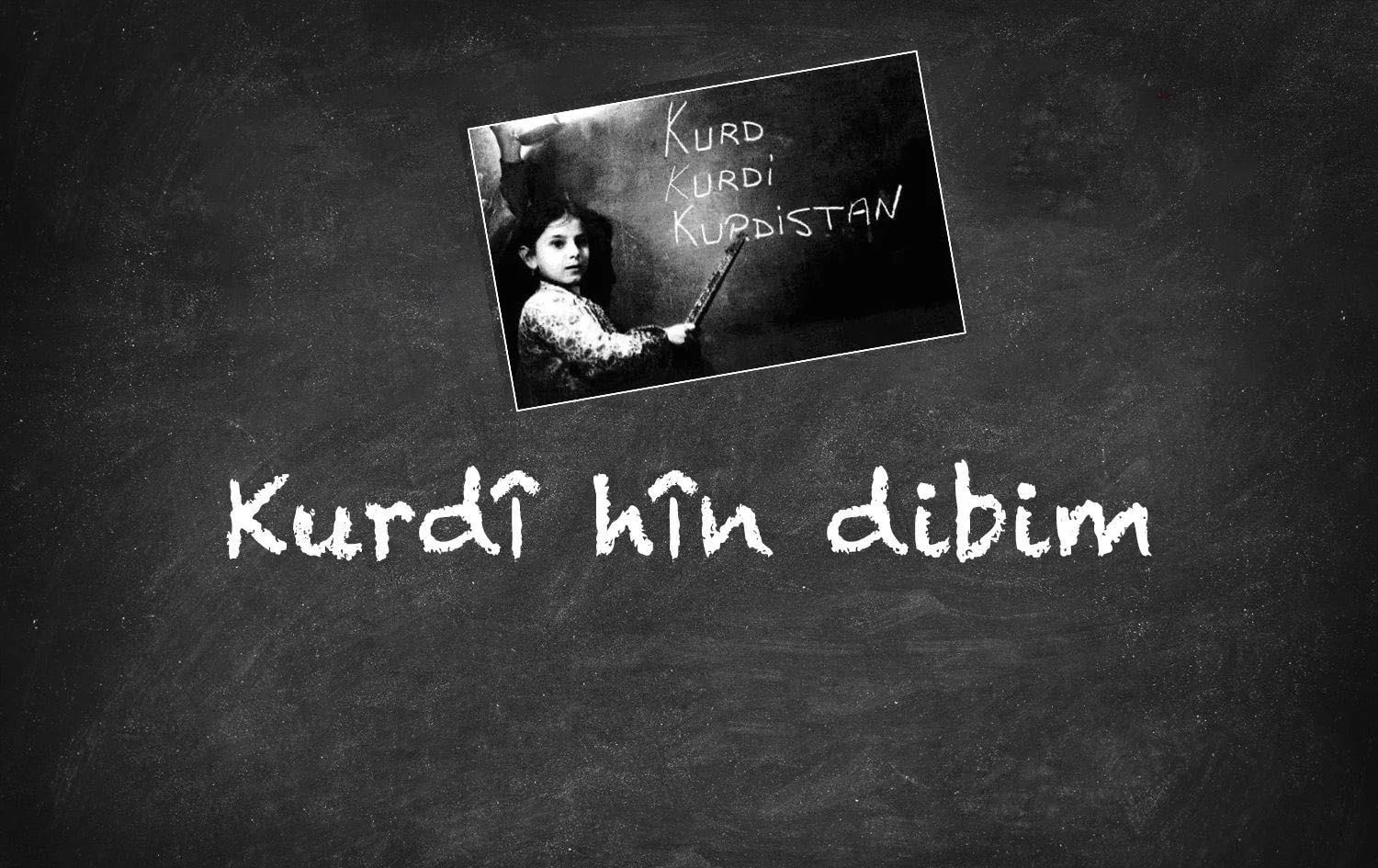
The limited allocation comes in a country where Kurdish-language education was banned for decades, people faced prosecution for speaking Kurdish in certain settings, and even the use of letters commonly found in the Kurdish alphabet was restricted. It also comes amid an ongoing peace process aimed at resolving Turkey’s decades-long Kurdish conflict.
Turkey’s education ministry document shows that the places are designated for admission to the National Education Academy’s preparatory training programme, with applications opening on December 9 and closing on December 15. Kurdish is listed under the category of “Living Languages and Dialects.”
Growing demand, shortage of teachers
According to figures presented to the Turkish parliament earlier this month, 86,064 students have opted to study Kurdish at 321 schools across 16 provinces, while the education ministry employs only 153 permanent Kurdish-language teachers.
Education Minister Yusuf Tekin, responding to a parliamentary question from pro-Kurdish Peoples’ Equality and Democracy Party (DEM Party) lawmaker Oznur Bartin, confirmed that as of November 3, 118 Kurmanji and 35 Zazaki teachers were employed by the ministry.
Hudai Morsumbul, head of the Kurdish education commission of the Memur-Sen trade union in Diyarbakir (Amed), told Rudaw that the existing number of teachers falls considerably short of demand.
“At least 350 teachers should be working to serve the 86,000 students who have chosen Kurdish classes, but there are only 153 teachers in schools,” Morsumbul said, adding that around 200 additional teachers were needed.
Demand for Kurdish-language classes has increased significantly in recent years, rising from around 30,000 students in the 2023-2024 academic year to more than 86,000 in the current academic year, according to figures cited during a recent Turkish parliamentary committee session.
Despite growing demand, the number of teaching positions allocated to Kurdish has remained low. Turkey allocated three places in 2021, 50 in 2023, ten in 2024, and six in 2025, according to previous reporting and Turkish parliamentary records.
Of the 25,000 teaching and training places announced in April 2025, 15,000 were designated for contracted teachers, including just five for Kurmanji and one for Zazaki. The remaining 10,000 were reserved for the National Education Academy, which subsequently allocated only five places to Kurdish in January 2026.
The shortage of employment opportunities has also affected Kurdish-language university departments. This year, 448 students enrolled in undergraduate, master’s and doctoral programmes in Kurdish language and literature across six universities, according to information obtained by Rudaw.
Kenane Nado, a lecturer at the Kurdish Language and Literature Department at Mardin Artuklu University, said limited employment prospects have discouraged young Kurds from studying their mother tongue at university.
“There may be thousands of people who want to become teachers and work for their language, but the reality is that they also need to find employment after completing their studies,” Nado told Rudaw.
“Many of our young people and students do not choose Kurdish departments because of this problem.”
Decades of restrictions on Kurdish language
The Kurdish language has historically been subjected to extensive restrictions in Turkey. Following the 1980 military coup, a law introduced in 1983 prohibited written and spoken communication in Kurdish. Although the legislation was repealed in 1991, restrictions persisted, with individuals facing prosecution for speaking Kurdish in political and public settings.
In late 2001 and early 2002, more than 1,000 people were detained during a campaign demanding optional Kurdish-language courses at universities, according to Human Rights Watch.
Restrictions even extended to letters used in the Kurdish alphabet, including Q, W and X, which are absent from the Turkish alphabet. Criminal sanctions relating to their use were lifted following reforms initiated in 2013.
Turkey introduced Kurdish as an elective subject in public schools in 2012. However, Article 42 of the Turkish constitution continues to prohibit the teaching of languages other than Turkish as a mother tongue to Turkish citizens in educational institutions.
The latest allocation comes amid an ongoing peace process between Ankara and the Kurdistan Workers’ Party (PKK), initiated following imprisoned PKK leader Abdullah Ocalan’s February 2025 call for the group to disarm and dissolve, with the aim of ending a decades-long armed conflict.
Kurdish politicians have repeatedly stressed the importance of legal and constitutional reforms, including the recognition of Kurdish cultural and linguistic rights, in achieving lasting peace.