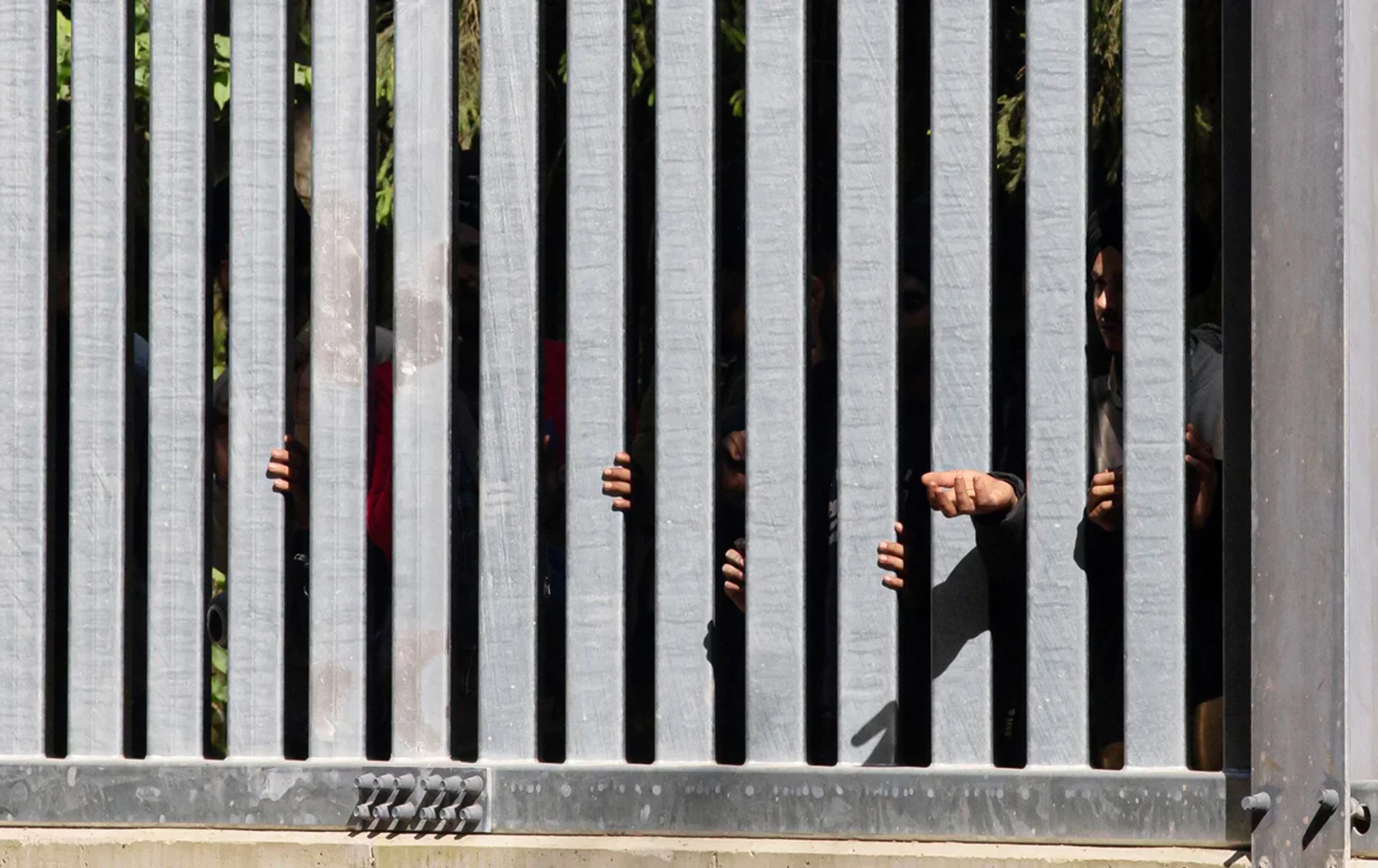
ERBIL, Kurdistan Region - Neighborhoods and residential compounds in Beijing are increasingly separated from surrounding streets by gates, fences, and controlled entrances, creating enclosed communities within the city.
Under China’s grid-style social management system, urban areas are divided into smaller administrative units, or “grids,” with personnel assigned to manage local affairs and monitor community needs. The system operates alongside gated or closed residential management in many communities.
Yao Tang, a local barber, experiences the friction of these barriers every day. "Security is great for us women," she told Rudaw’s Mahdi Faraj, "but entering any neighborhood requires inspection and registration, which can be frustrating at times."
Some residential compounds use facial recognition systems and automated gates to control access, adding a technological layer to the physical barriers separating communities from surrounding streets.
Such systems played a prominent role during the COVID-19 pandemic, when Chinese authorities imposed strict controls on access to residential compounds as part of sweeping lockdown measures in major cities, including Beijing and Shanghai. Digital health codes were also widely used to determine whether individuals could enter public places and residential areas.
"The technology is meant to provide convenience; outsiders must identify themselves and notify the residents - this is for the safety of the community," community security officer Liu Yiwen said.
For delivery worker Wu Liang, the gates directly impact his daily income. "These walls slow us down and force us to wait," Wu explains. "If these barriers weren't here, I could deliver 20 more packages a day."
The proliferation of gated compounds and increasingly sophisticated access-control technology reflects China's emphasis on community security and management, but it has also raised questions about convenience, freedom of movement, and the growing reach of surveillance in everyday urban life.