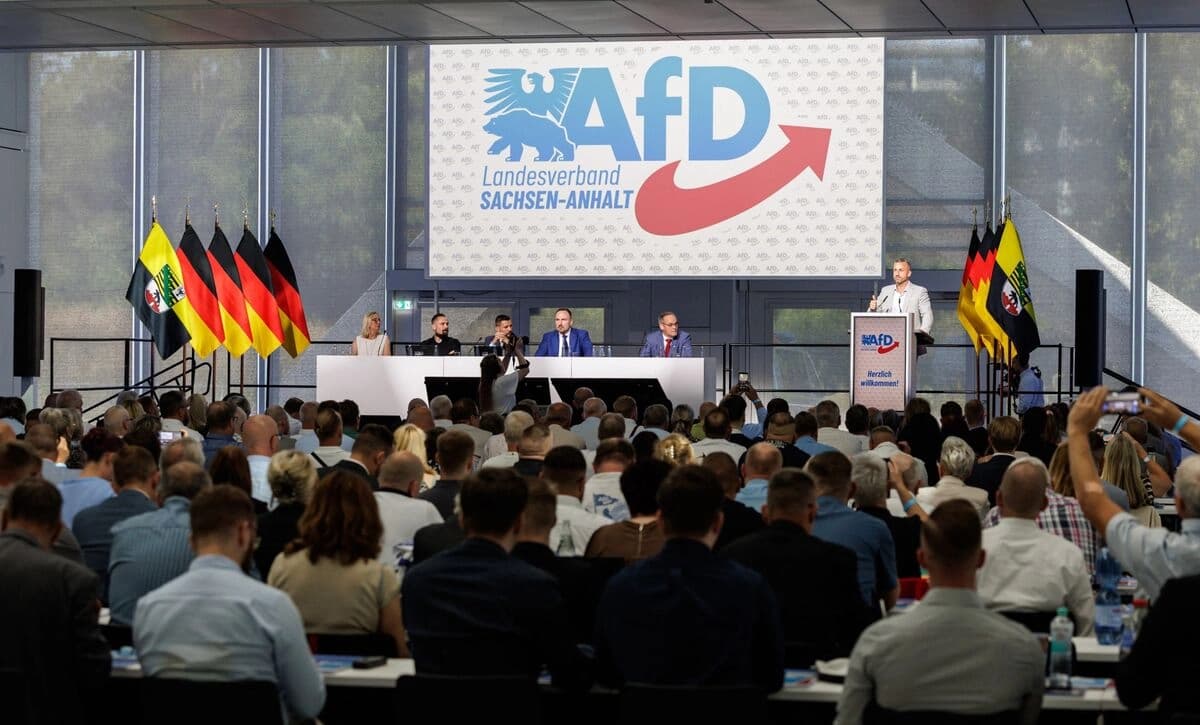

ERBIL, Kurdistan Region - Political parties in eastern Germany’s Saxony-Anhalt clashed over migration policy on Friday as the right-wing Alternative for Germany (AfD) campaigned to win a governing majority in Sunday’s state parliamentary election.
"We want to bring the government back on the path of the law,” Saxony-Anhalt AfD deputy chairman Oliver Kirchner told Rudaw’s Zinar Shino, noting that “the current government is violating citizens' rights by facilitating illegal immigration and providing financial assistance to asylum seekers.”
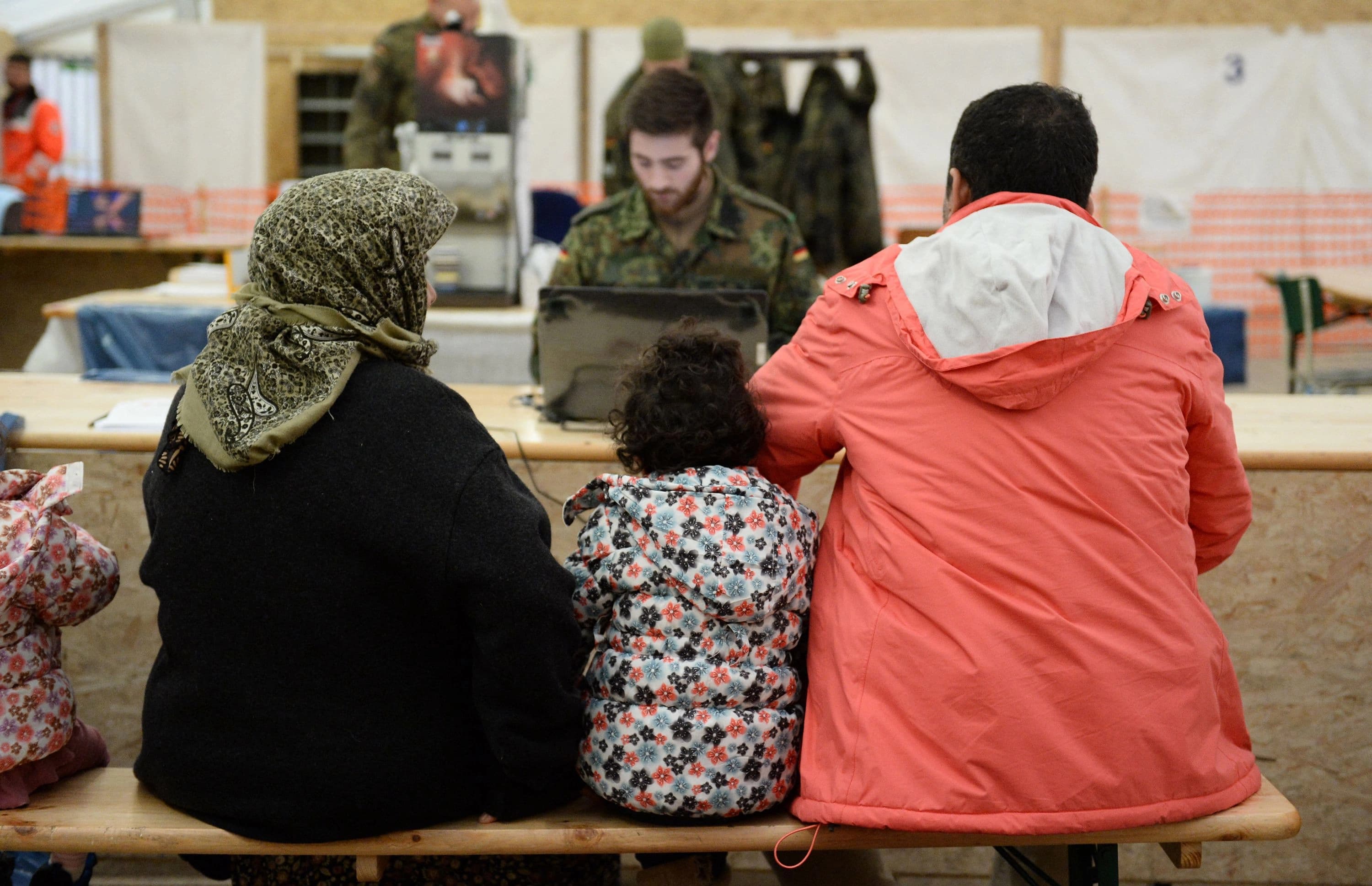
The election comes amid intense debate across Germany over migration, deportations, and crime involving migrants following a decade of large-scale migration from the Middle East and elsewhere.
Nearly 1.7 million people are eligible to vote in the election for the 97-seat state parliament, where the AfD holds 23 seats and the Green Party holds six seats, with the results closely watched across the country.
In contrast to the AfD platform, immigrants and human rights organizations warned that racism in Saxony-Anhalt has escalated from isolated occurrences into a daily issue. Anti-right-wing activists also stated that an AfD victory would increase violence against immigrants and endanger fundamental human rights.
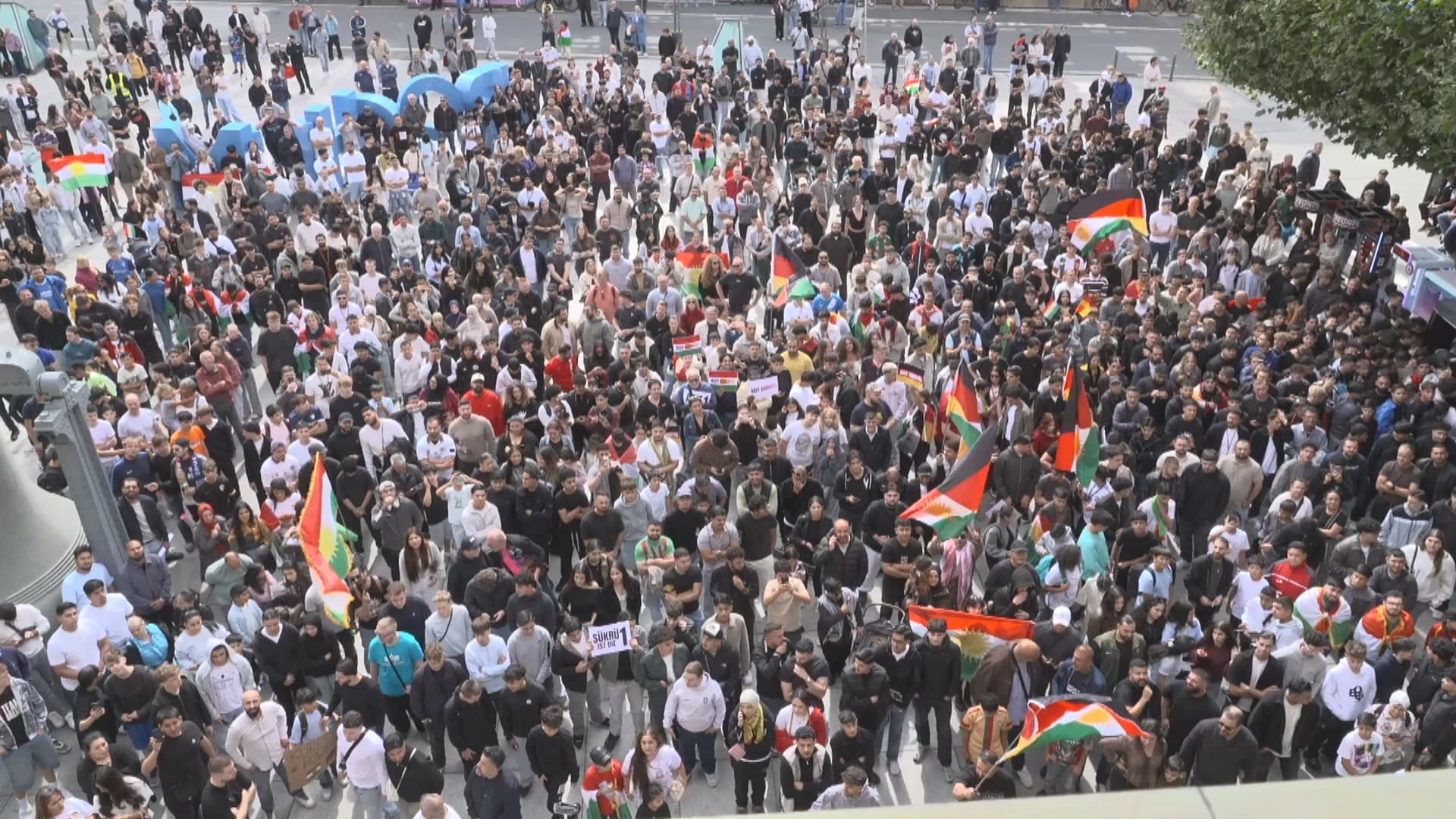
"Racism has become a part of daily life. Foreigners face disrespect and violence, whether at work or in the streets and markets, especially women wearing hijabs or people with different skin colors," Aras Badr, a Kurdish immigrant from northeast Syria (Rojava) living in Magdeburg, told Rudaw.
Regarding the potential victory of the AfD, members of the local Kurdish diaspora stated that they plan to remain and engage in civil actions through demonstrations and democratic activities.
"Our plea is that we stay together and resist this trend, so that Saxony-Anhalt remains in its diversity and beauty," Susan Sziborra-Seidlitz, representative and head of the Green Party list, told Rudaw.
Sziborra-Seidlitz stressed the necessity of securing at least 5 percent of the vote to enter parliament and form a democratic majority against the far right, stating, "We take their fears seriously, but our role is to give them courage. A far-right government might take hold, which we all fear. It could happen, and if we enter parliament, we will overcome it."
“I understand all those people who leave the state, but I ask all of them to stay here with us, stand shoulder to shoulder, become strong together, and make sure that this state remains as colorful and beautifully diverse as always,” she added.
Economic issues and public service strains have also contributed to political shifts in the state, according to Mustafa Gruner, a Green Party candidate in the region, who pointed to the rising cost of living, public transit problems in Magdeburg, and a shortage of teachers as factors leading dissatisfied voters toward right-wing parties.
Kirchner reiterated his stance on migration enforcement, stating last week that "under paragraph 16a of the Basic Law, anyone who has no right to stay must leave, and rights must be revoked."
The migration debate follows a recent review by the State Criminal Police Office in North Rhine-Westphalia of around 6,800 deportation files involving individuals required to leave the country.
RELATED: Far-right party eyes power as German state heads to polls