ERBIL, Kurdistan Region - Iran’s Foreign Minister Abbas Araghchi said Saturday that Tehran had yet to receive a formal response from Washington to its proposal to reopen the Strait of Hormuz, hours after US President Donald Trump told Rudaw that he had rejected the initiative.
“We saw the first reaction from the US president, but nothing has yet been conveyed to us by the mediators,” Araghchi told journalists in New York, Iran’s state-run IRIB reported late Saturday.
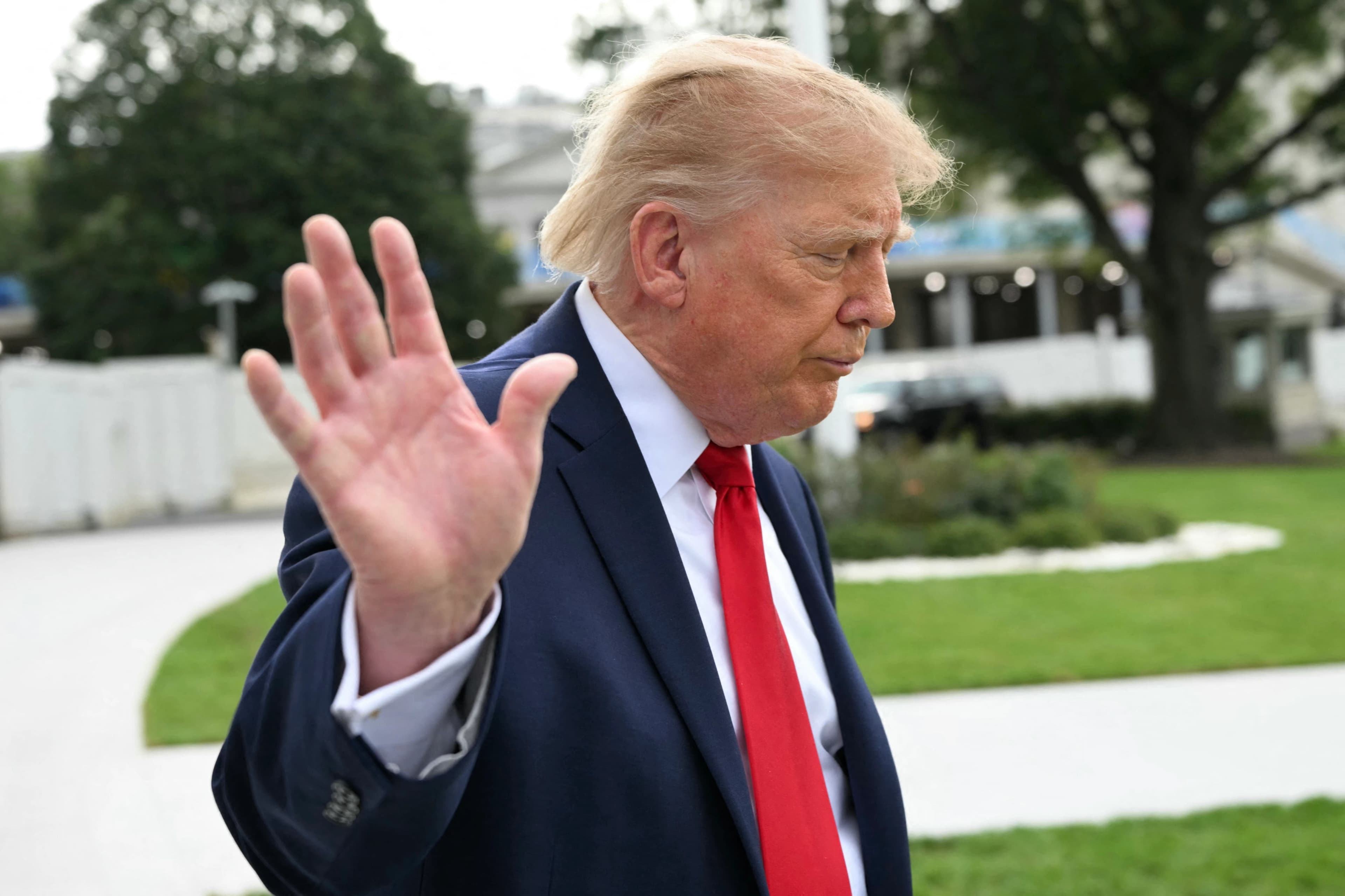
His remarks came hours after Trump told Rudaw at the White House that he had “rejected” Iran’s proposal to reopen the Strait of Hormuz within seven days.
“Reopening the Strait of Hormuz depends on these conditions being met; and we will make decisions based on a definitive response from the mediators," the Iranian top diplomat added on Saturday.
Iran’s conditions for reopening the strategic waterway include the release of its frozen assets, an end to the war on all fronts, including in Lebanon, and the lifting of the US naval blockade of Iran.
The proposal was submitted through Qatari mediators.
The Iranian initiative comes after Washington and Tehran resumed diplomatic contacts in New York this week on the sidelines of the 81st United Nations General Assembly.
Araghchi and US Special Envoy Steve Witkoff held talks on Tuesday through Qatari mediators. Witkoff described the meeting as “constructive and promising” and said the mediators would continue their efforts.
During his address to the UN General Assembly on Tuesday, Trump suggested that the ongoing conflict could end after the US midterm elections in early November.
“I believe we’ll make a deal, right after the election; will a deal be made with Iran that lets them rebuild and create a far greater country than it ever was before... or do I annihilate the Islamic Republic and do it quickly… with no chance of survival and no hope,” Trump said.
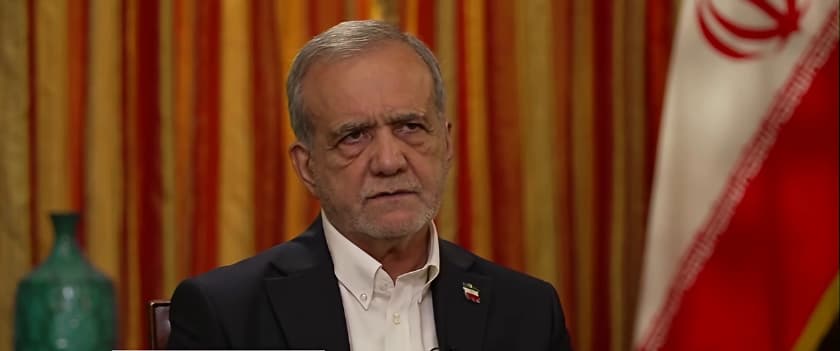
A day later, Iranian President Masoud Pezeshkian told the UN General Assembly that Tehran was ready for dialogue but would not accept “the language of force.” He also said Iran would not accept being placed under a maritime blockade while other countries were free to use the waterway.
The diplomatic back-and-forth comes amid persistent tensions and insecurity in the Strait of Hormuz, through which around 20 percent of global crude oil supplies passed before the war.