
ERBIL, Kurdistan Region – Dozens of countries, including the United Kingdom, Canada, France and Australia, are failing to assist nationals as young as 12 who are detained in Iraq over alleged links to the Islamic State (ISIS), despite risks of torture, ill-treatment and possible execution, Human Rights Watch (HRW) said on Monday.
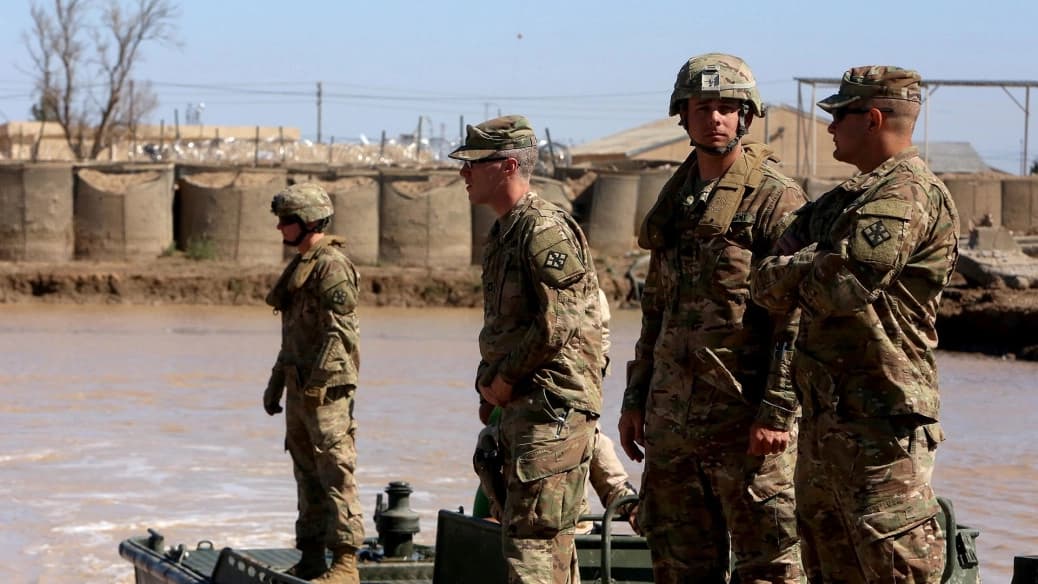
The US Central Command (CENTCOM) transferred around 5,700 ISIS detainees from prisons in the Kurdish-held northeast Syria (Rojava) to Iraqi custody in January and February as clashes intensified between Damascus and the Kurdish-led Syrian Democratic Forces (SDF).
“The thousands of boys and men sent to Iraq deserve humane treatment and due process, just as the thousands of survivors of ISIS crimes deserve genuine justice,” Letta Tayler, senior counterterrorism advisor at HRW, was cited as saying in a report by the rights group. “The international community shouldn’t leave Iraq to manage this immense responsibility on its own.”
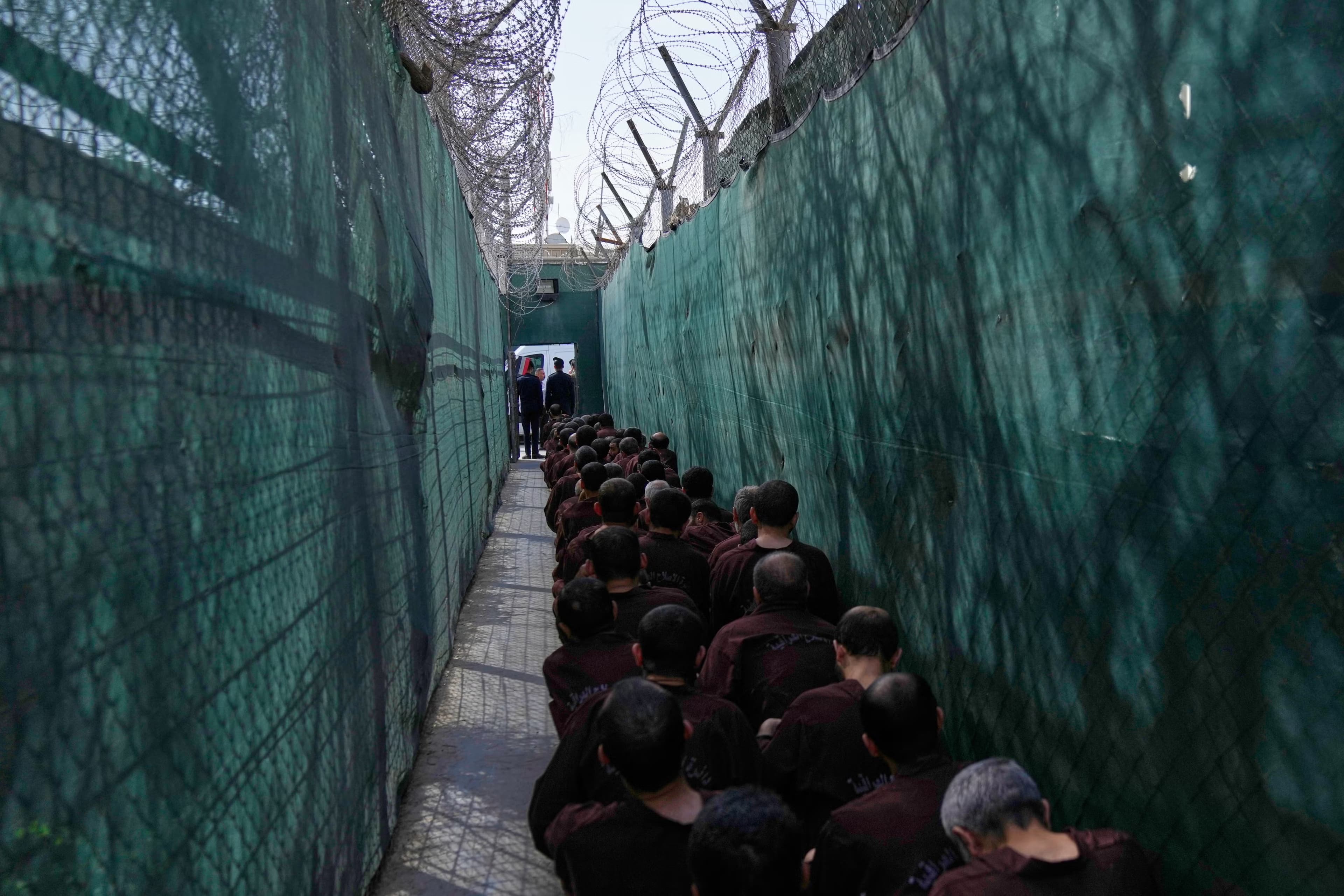
Around 3,500 of the detainees are Syrian, while about 2,200 are Iraqi or nationals of 65 other countries. Many had already spent up to seven and a half years in life-threatening conditions in northeast Syria without being charged or prosecuted.
The US military transferred them to Iraq between January 21 and February 12, 2026.
Iraqi authorities say interrogations over terrorism charges have been completed and trials are expected to begin in the coming days. Six of the 47 French nationals separately transferred from Syria in 2025 are scheduled to go on trial from Monday, HRW said.
More than 1,100 detainees have serious health conditions. One detainee died during transfer from northeast Syria to Iraq and 14 others are believed to have died since arriving in Iraqi prisons.
HRW said conditions have improved and Iraqi doctors are providing specialized treatment and psychological assessments for children, but cells remain filled to 158 percent of capacity.
The detainees come from 67 countries, including 19 European Union states and 16 countries in the Middle East and North Africa, according to Iraq’s Supreme Judicial Council.
Countries with significant numbers of detainees include Tunisia, with about 230; Morocco, nearly 200; Turkey, 184; Russia, around 140; Egypt, about 115; and Saudi Arabia, nearly 70. Other detainees come from countries including Australia, Canada, Indonesia and the United Kingdom.
More than 440 of those transferred are children, including a 12-year-old. Around 305 are believed to be Syrian, with the remainder from about 15 other countries. Some of their mothers and siblings remain detained at Roj camp in northeast Syria.
As many as 1,000 others are young men who were captured by the now-dissolved SDF as boys and have remained in detention without charge. The detainees are being held in separate sections of al-Karkh maximum-security prison near Baghdad International Airport.
“The Iraqi justice system has a documented history of torture and unlawful executions. Absent an assessment of the risks and credible safeguards, transferring the detainees to a justice system with this record may violate international law on a massive scale,” HRW said.
Iraqi judicial and prison authorities denied mistreatment. One judicial official said some detainees may have created marks and bruises as a “trick” to appear abused, adding that any torture complaints would be referred for investigation.
HRW urged foreign governments to repatriate their nationals unless they face a risk of serious rights violations upon return.
It also called on governments to pressure Iraqi authorities to ensure fair and transparent proceedings and respect defendants’ rights.
“Iraqi judicial and detention authorities should adhere to international fair trial and detention standards, including by investigating and showing zero tolerance for torture and other abuse,” HRW said.